




Antique Ale Measure
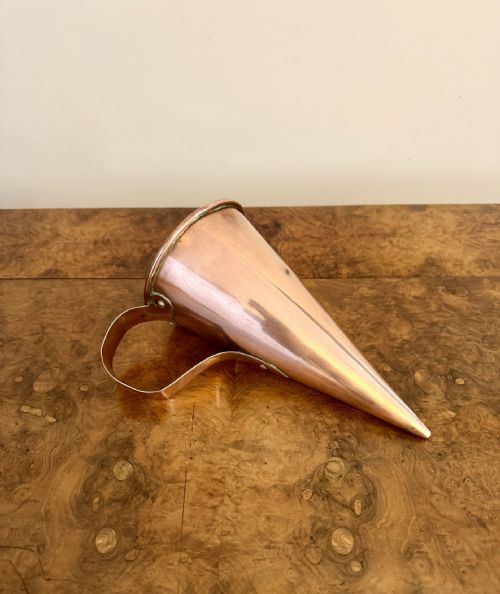
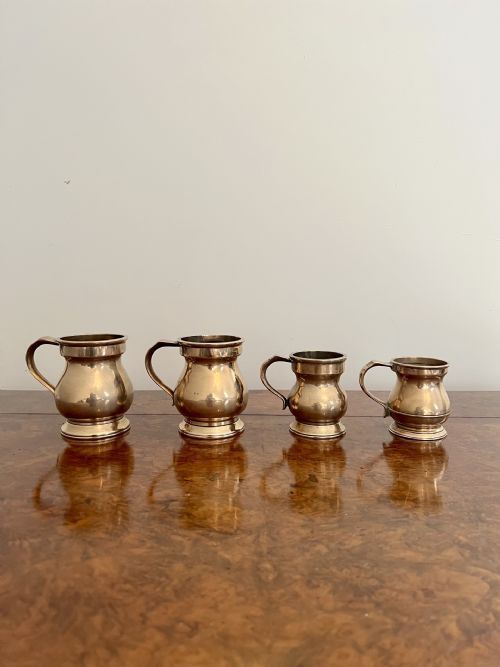
These antique ale measure pieces are solid metal vessels used for serving and dispensing drinks in taverns, meeting the eye in copper, pewter, and brass.
Antique Ale Measure
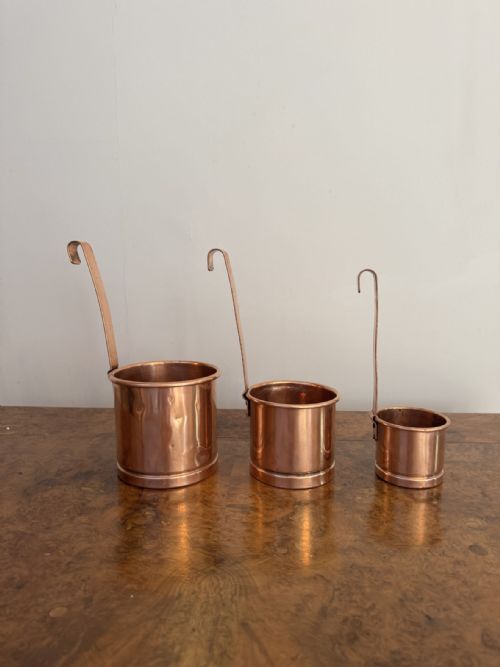
An antique ale measure embodies the utilitarian tavern life of the Georgian and Victorian eras, taking forms such as jugs, tankards, flagons, and graduated sets. These vessels were utilised daily in public houses for pouring and selling liquid by capacity.
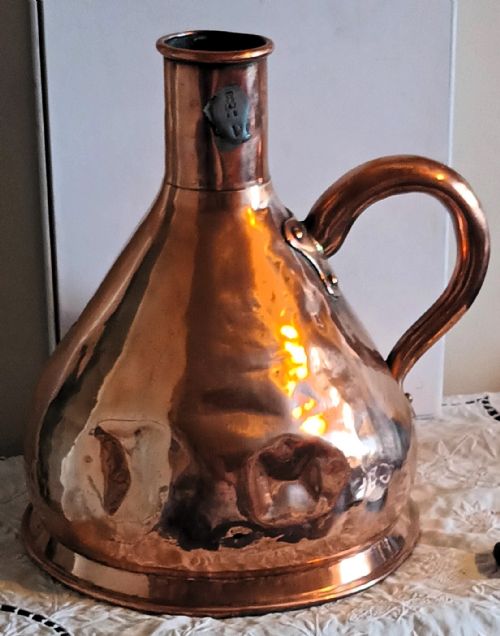
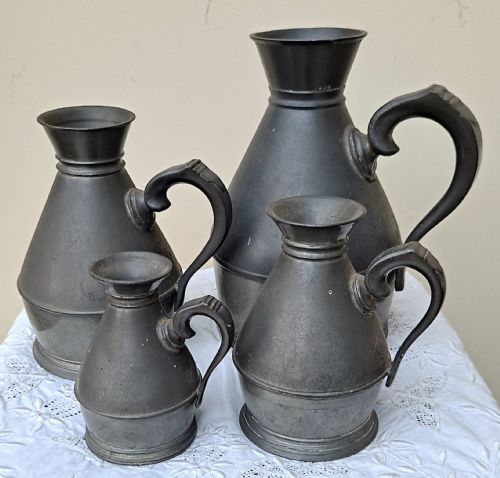
The most common version met on this page is the pewter or copper measure, ranging from small gill and noggin sizes up to large multi-gallon jugs. Many bear stamps, VR marks, or regional styles including Irish haystack shapes and Scottish tappit hens.
Materials and construction
Coppersmiths and pewterers shaped these vessels using sheet metal and casting techniques, soldering seams and finishing surfaces by hand. Copper examples frequently feature heavy rolled rims and riveted handles.
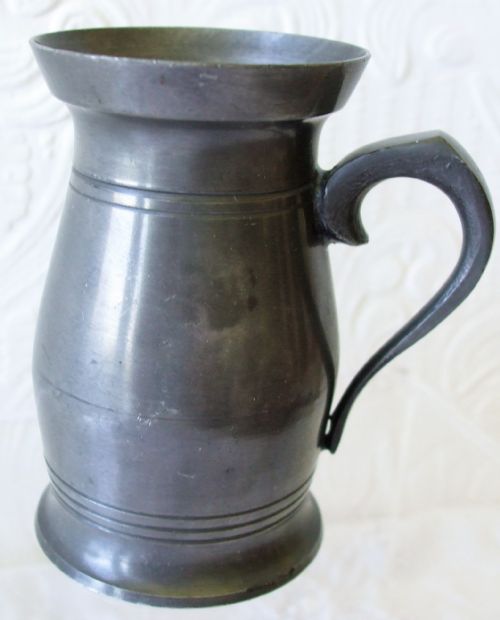
Pewter measures relied on tin-based alloys combined with lead or copper for rigidity, often cast in specialised moulds before undergoing touchmark stamping. Old Sheffield Plate and brass also appear among surviving tavern equipment.
Antique Ale Measure Retail Price Guide 2026
Typical asking prices for ale measure among the pieces listed under this phrase on Sellingantiques today, from the lower quarter to the upper quarter. They describe what is for sale here now, not the wider market.
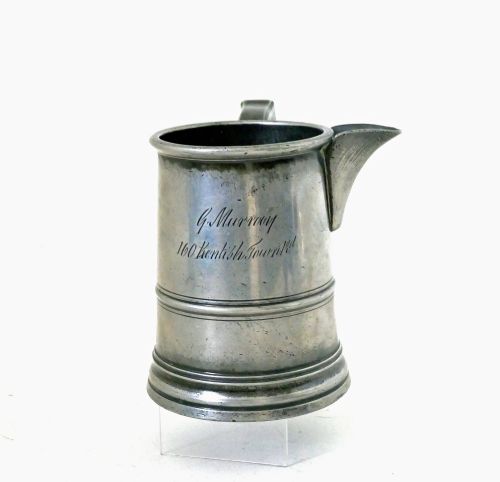
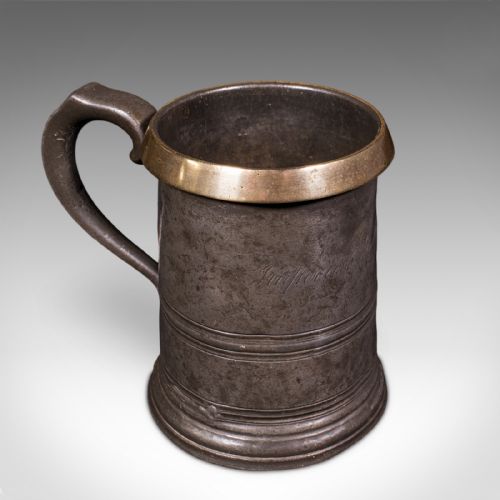
Pub landlords occasionally had their tavern names engraved directly into the metal, turning everyday measuring jugs into personal historic archives.
Distinctions in quality
Quality rests upon the crispness of maker stamps, verification marks, and the integrity of the original metal weight without excessive patching. Graduated sets maintaining their complete matching series command greater interest than assembled groups.
Surface preservation dictates overall character, distinguishing pieces retaining honest patination and legible ownership inscriptions from those stripped of their historic marks through aggressive cleaning.
J Bower·Frederic Sanders·Thomas Phillips I·G Murrouy·S Hancock·Loftus of Oxford Street London
The Antique Ale Measure Glossary
- Haystack measure
- A distinctively curved Irish or English vessel shape resembling a haystack, tapering inward toward the top. These copper or pewter jugs were produced in graduated sets for capacity verification.
- Tappit hen
- A traditional Scottish pewter measure featuring a lid with a finial and a distinctive bulbous body. They held specific liquid volumes such as the Scots pint.
- Touchmark
- An identifying stamp struck into pewter by a maker or guild member to certify quality and origin. These marks often include initials, city names, or trade symbols.
- Old Sheffield Plate
- A composite material formed by fusing a thin sheet of silver to a thicker copper base. It appears on finer tankards and serving vessels from the Georgian period.
- VR mark
- A royal verification stamp denoting Victoria Regina, indicating the vessel passed official inspection for public house use during that reign.
Antique Ale Measure: Frequently Asked Questions
How were ale measures used in old pubs?
Publicans utilised these vessels to measure and serve ales, stouts, and spirits directly to customers at the bar or tables. Their precise capacities ensured correct portions before the standardisation of glass containers.
Larger multi-gallon flagons stored the liquor behind the bar, while smaller jugs and tankards travelled to the patrons.
What do the VR stamps mean?
Stamps marked VR indicate that an official inspector verified the liquid capacity of the vessel during the reign of Queen Victoria. These verification marks protected customers by guaranteeing correct measures in public houses.
Such inspection stamps usually appear near the rim or handle of pewter and copper examples.
Why do some copper jugs come in sets?
Graduated sets of copper measures allowed tavern staff to store and pour multiple standard capacities ranging from gills up to gallons. These nesting or matching sets were standard equipment in busy Georgian and Victorian hospitality spaces.
Surviving complete sets remain desirable because individual pieces often became separated over decades of heavy use.
How do I care for antique metal measures?
Keeping these vessels in a stable environment away from excess moisture preserves their historic metal surfaces and patination. Gentle dusting suffices for ongoing maintenance without stripping away centuries of handling marks.
Harsh chemical polishes should be avoided on both copper and pewter to protect original touchmarks and engraving.