
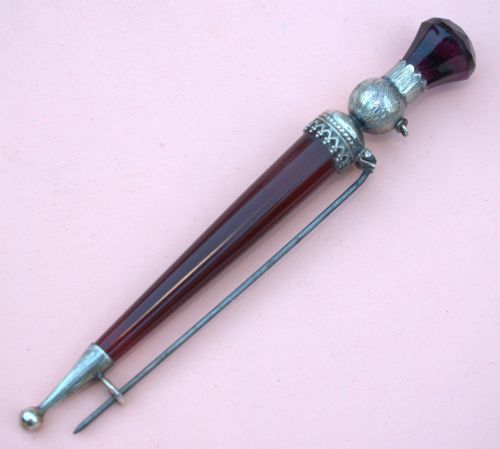


Antique Agate Brooch
An antique agate brooch is a wearable piece of Victorian craftsmanship prized for its natural banded stones and distinctive Scottish revival designs.
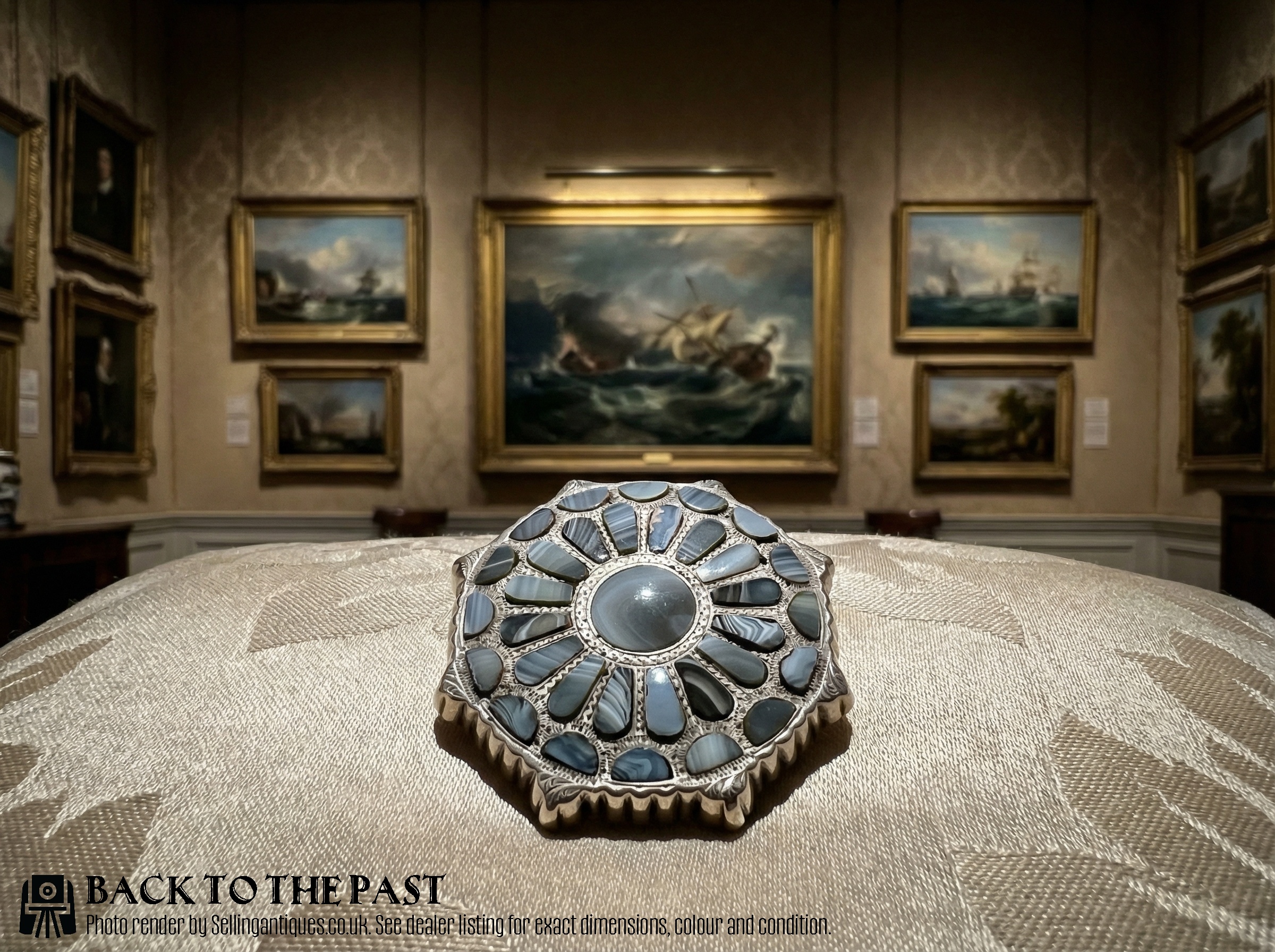
Antique Agate Brooch
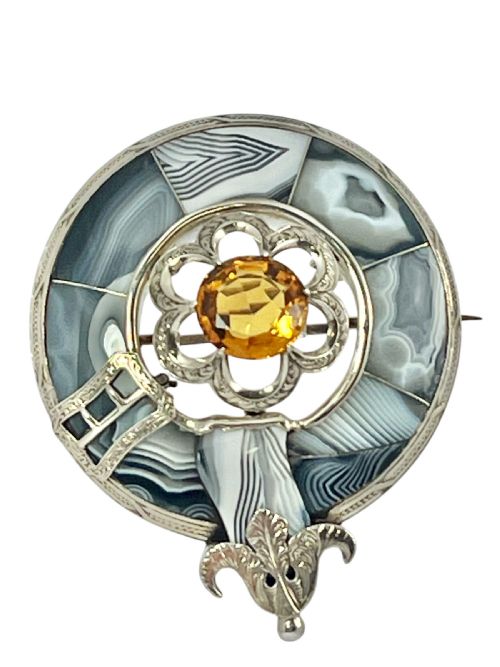
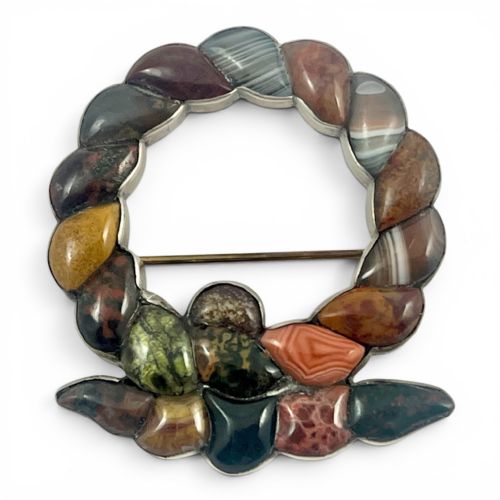
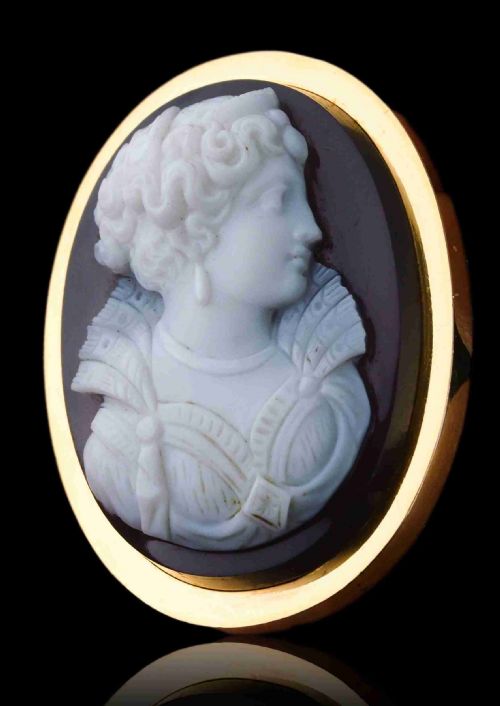
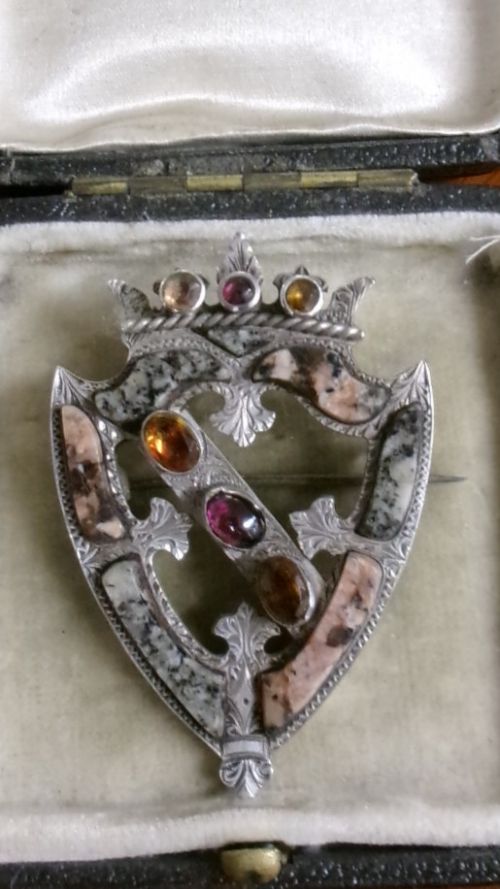
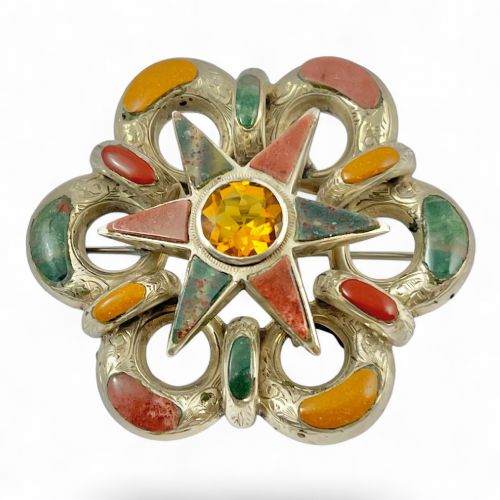
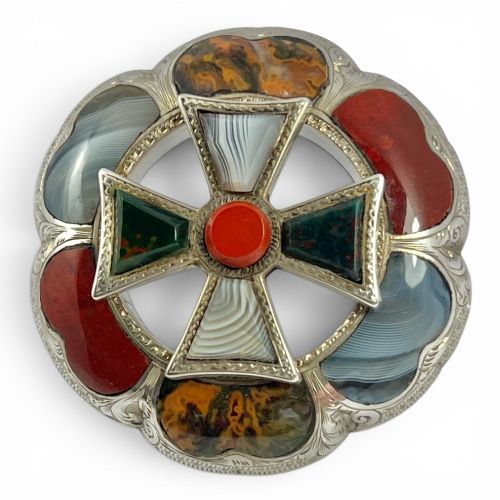
An antique agate brooch sits firmly within the Victorian era, spanning the mid to late nineteenth century. The examples met most often on this page belong to the Scottish Revival style, taking forms such as shields, knots, and circular pins.
Makers shaped these pieces as brooches and kilt pins, frequently incorporating additional gems like citrine, amethyst, and amber. The designs draw heavily upon Celtic motifs, resulting in distinctive wearable ornaments.
How they were made
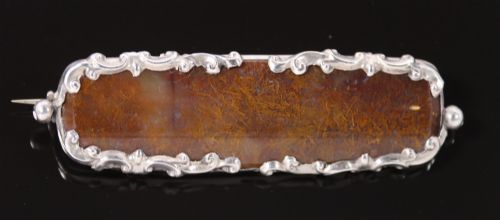
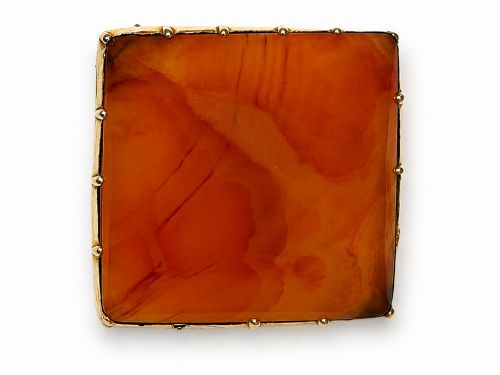
The construction combines cut stones with precious metals, utilising silver, sterling silver, and gold. Lapidaries shaped natural varieties including moss agate, blue lace agate, Montrose agate, and banded agate into polished cabochons.
Metalworkers set these stones within detailed frames, employing techniques such as filigree and cannetille work. The mounts often take the form of shields or interwoven knots to secure the heavy agate stones.
Antique Agate Brooch Retail Price Guide 2026
Typical asking prices for agate brooch among the pieces listed under this phrase on Sellingantiques today, from the lower quarter to the upper quarter. They describe what is for sale here now, not the wider market.
Listings demonstrate that Victorian Scottish Revival designs dominate these items, consistently pairing silver with banded, moss, and blue lace agate.
What varies in quality
The standard of an antique agate brooch depends upon the depth of the stone's natural banding and the precision of the lapidary work. Superior pieces display vibrant colour variation within the chalcedony alongside well-matched supplementary gems like citrine.
Metalwork execution separates the average from the exceptional, with finer specimens exhibiting intricate wirework, clean soldering, and robust settings. The complexity of the Celtic shield or knot design further distinguishes the upper tier of these ornaments.
The Antique Agate Brooch Glossary
- Cabochon
- A gemstone shaped and polished with a smooth, convex top rather than faceted edges. This style displays the natural banded patterns of the agate most effectively.
- Moss agate
- A variety of chalcedony containing microscopic green or brown inclusions that resemble foliage or moss. It forms distinctive dendritic patterns within the stone.
- Cannetille
- A delicate metalwork technique using fine gold or silver wires twisted into openwork patterns resembling lace embroidery. It appears on early Victorian pieces.
- Kilt pin
- A large traditional fastener used to secure wool garments, often adapted as a sturdy brooch during the nineteenth century. These items frequently measure larger than standard dress pins.
- Blue lace agate
- A pale blue variety of quartz featuring delicate white and soft blue banding. The stone provides a gentle contrast to heavier silver and gold mounts.
Antique Agate Brooch: Frequently Asked Questions
What is an antique agate brooch?
An antique agate brooch is a nineteenth-century wearable ornament featuring natural chalcedony stones set in silver or gold. These pieces frequently display Scottish Revival and Celtic designs.
They serve primarily as decorative dress fasteners and kilt pins, showcasing the varied natural banding of stones like moss and Montrose agate.
How do I date an antique agate brooch?
Dating relies upon stylistic markers such as Victorian Celtic shield forms, cannetille wirework, and the integration of specific materials like silver or gold. Most examples originate from the mid to late nineteenth century.
Examining the construction methods and fastener types helps narrow the period of creation to specific decades within the Victorian era.
What styles of agate brooches exist?
The predominant style is the Scottish Revival, which incorporates Celtic knots, shields, and circular motifs into the metalwork. These pieces often feature multi-coloured banded agates alongside citrines and amethysts.
Earlier English interpretations lean towards delicate filigree and cannetille frames, while Scottish variants focus heavily on bold geometric and heraldic shapes.
How were agate brooches worn?
Victorians pinned these ornaments to heavy wool garments, shawls, lapels, and traditional Scottish kilts. The substantial weight of the silver and stone required sturdy fastenings.
Today, collectors wear them as statement lapel pins or utilise them to fasten scarves and heavier winter fabrics securely.