

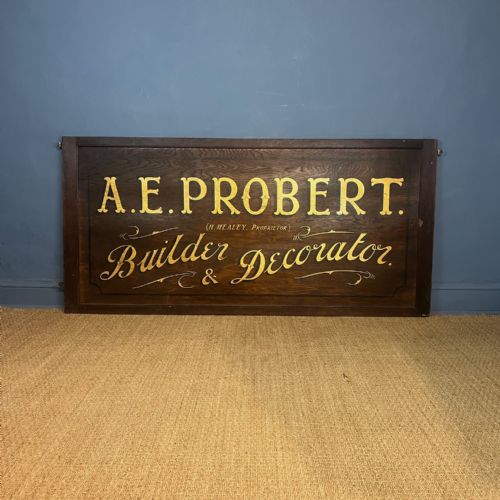


Antique Advertising Board
An antique advertising board brings robust commercial heritage indoors, offering striking painted lettering and authentic trade graphics for domestic or commercial spaces.
Antique Advertising Board
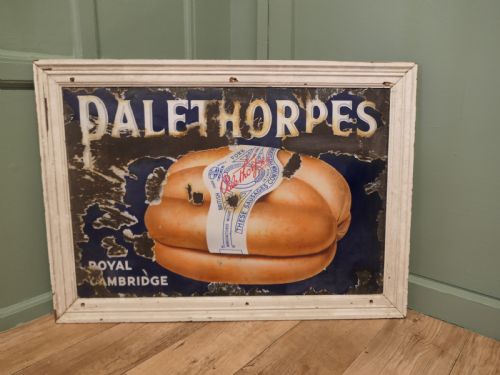
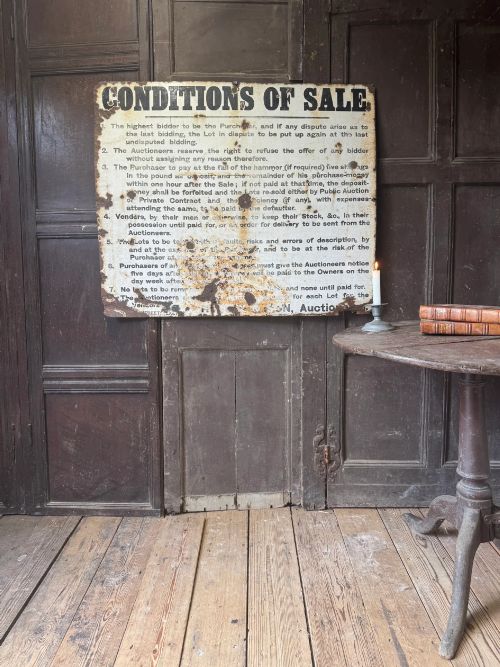
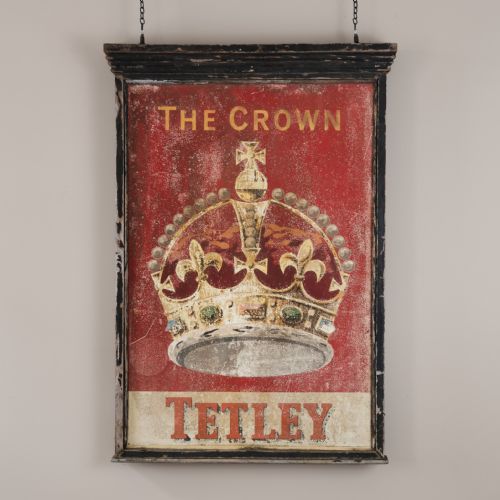
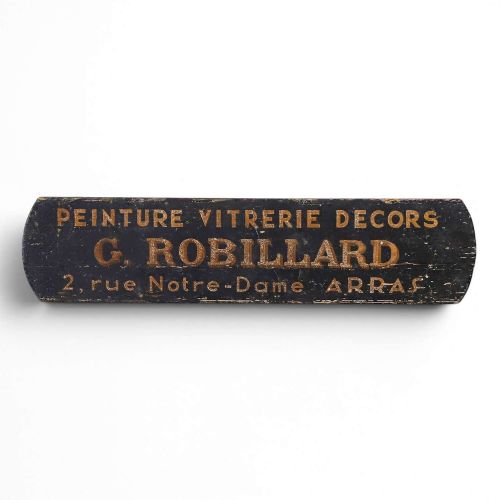
An antique advertising board encompasses trade signs, wall signs, shop displays, and pub signage designed to promote goods and services. These pieces range from Victorian examples to mid-century industrial items, capturing the visual language of past commerce.
Buyers on this page will frequently encounter early twentieth-century painted metal and wooden boards, alongside specific trade items such as locksmith signs, dentist markers, and brewer boards. The selection draws from British and French traditions, spanning Belle Époque and Edwardian folk art styles.
Forms vary from double-sided pub signs and cart sides to framed glass shop displays and cinema boards with mirror plates. Each object served a functional commercial purpose before transitioning into a decorative collectible.
How They Were Made
Maker construction relies on traditional timber, oak, sheet metal, and iron frameworks, providing durable support for exterior and interior display. Surfaces are frequently finished with hand-applied paint, gold leaf, and enamel to ensure high visibility and longevity.
Signwriters and tradesmen utilised direct brushwork on wood and metal substrates, often incorporating specialised framing to protect the painted surface. Materials like glass and mirrored plates were also integrated into shop displays and cinema boards.
Materials across this selection include oak, sheet metal, iron, and glass, combined with hand-applied paint and gold leaf.
What Varies in Quality
Quality rests in the legibility of the lettering, the preservation of original paint layers, and the integrity of the substrate whether timber or sheet metal. Pieces retaining untouched surfaces and clear trade attribution command greater interest.
The sophistication of the signwriting and the complexity of the original graphic design separate standard trade markers from finer examples of folk art and decorative shop signage.
Tetley·Wilmot
The Antique Advertising Board Glossary
- Trade Sign
- A board or marker used by a shop, merchant, or craftsman to advertise their business. These objects were displayed outside premises to attract passing trade.
- Dummy Board
- A painted figure or object cutout used for shop display or interior decoration. These pieces create a trompe l'oeil effect within a room.
- Gold Leaf
- Gold beaten into extremely thin sheets used for gilding lettering and decorative elements on signs. This material provided a lustrous finish that resisted tarnishing.
- Enamel Sign
- A metal sign fused with powdered glass through firing to create a durable, glossy surface. This technique protected the advertising message from weather and wear.
Antique Advertising Board: Frequently Asked Questions
Where were these advertising boards originally displayed?
These boards hung outside shops, public houses, and commercial premises to identify trades and services to the public. Many were mounted on exterior walls or suspended above doorways.
Others functioned inside retail spaces as counter displays or window markers to promote specific goods.
How do I hang a heavy metal or wooden sign?
Due to the substantial weight of timber, iron, and sheet metal boards, secure wall fixings into studs or masonry are essential. Heavy double-sided pieces require robust brackets capable of supporting the projection.
Professional framing support or picture wire is suitable for framed glass and lighter panel formats.
How should I clean an original painted surface?
Dust the surface gently with a soft, dry cloth to remove accumulated particles without disturbing flaking paint. Avoid chemical solvents or abrasive cleaners that might strip historical finishes.
Preserving the aged patina requires minimal intervention and a stable indoor environment away from direct moisture.
What is the difference between a trade sign and a pub sign?
Trade signs generally denote a specific profession such as a locksmith, painter, or dentist, detailing services offered. Pub signs historically advertised brewing companies or establishment names using pictorial and typographic elements.
Both categories served distinct commercial functions within nineteenth and twentieth-century towns.