





Painted Wooden Trade Sign
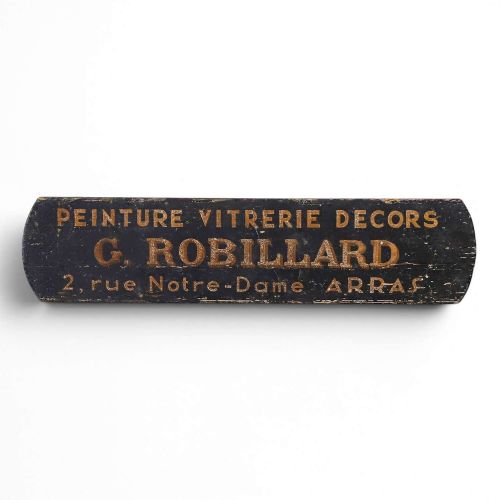
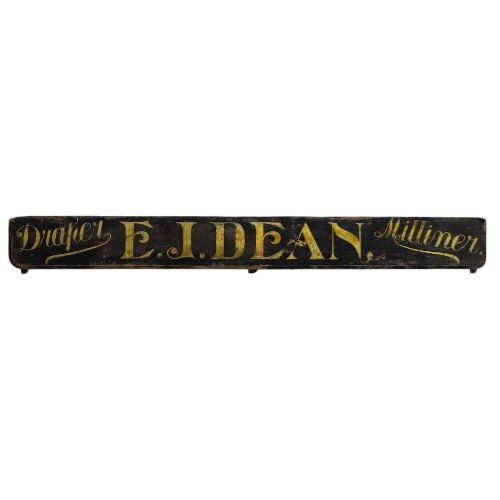
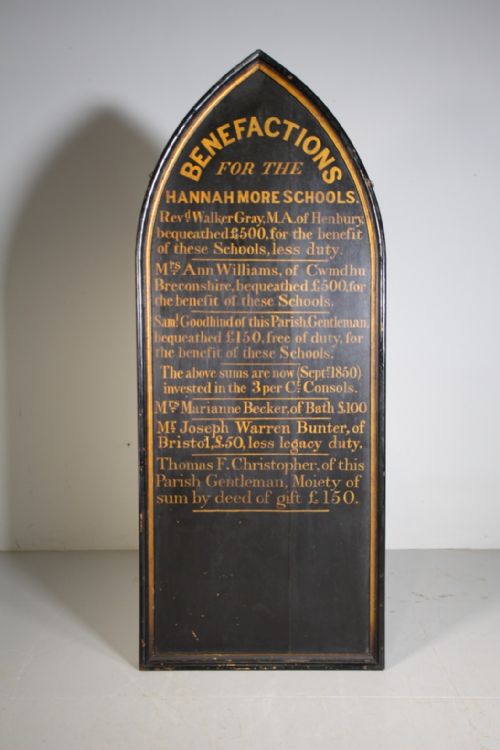
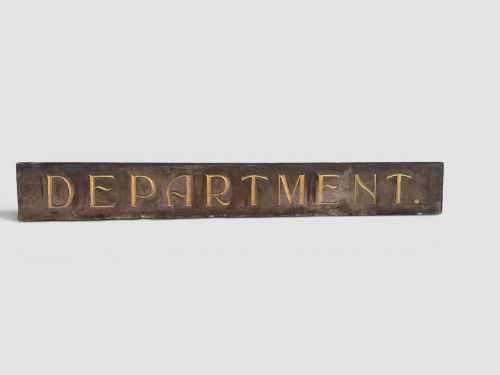
A painted wooden trade sign brings real commercial history into a room, offering striking lettering and bold folk art imagery that once advertised old high street shops.
Painted Wooden Trade Sign
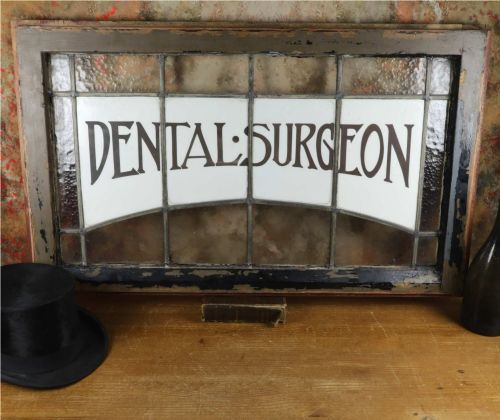
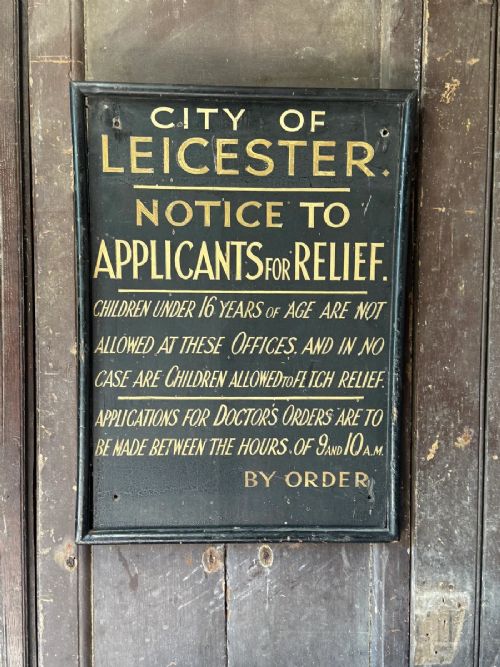
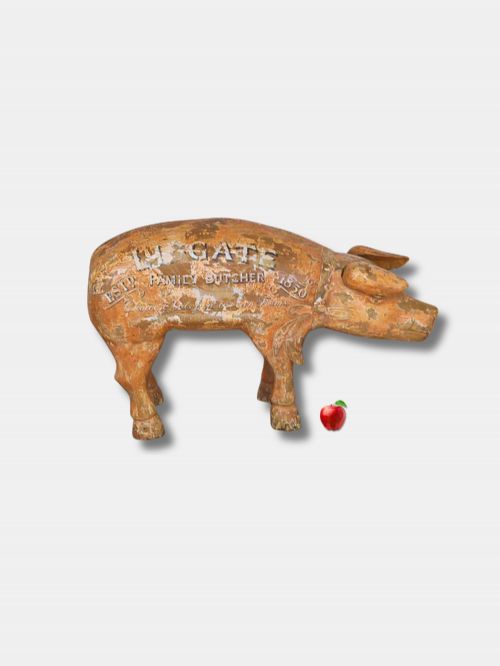
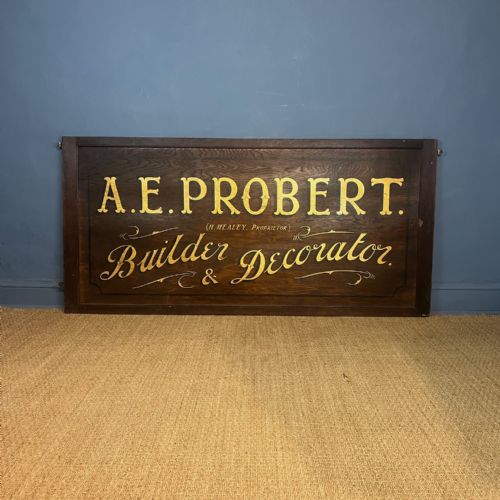
A painted wooden trade sign is an authentic commercial artefact designed to draw custom from the pavement, ranging from flat wall panels to large dimensional figures. When searching for a painted wooden trade sign, a buyer encounters everything from Edwardian milliner boards to Victorian butcher displays and 1920s yachting boards. These survivors carry the faded names of family businesses, local services, and specialised merchants across pine, timber, and carved forms.
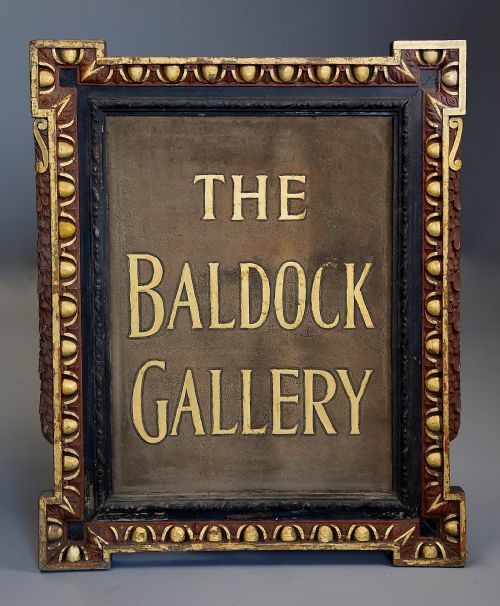
The pieces on this page span several distinct eras, with the nineteenth century and the early twentieth century heavily represented through rustic folk art and commercial signage. Wall signs and architectural salvage dominate the selection, alongside rarer trade figures and shop display models carved from solid wood. Buyers will find both simple painted boards and elaborate multi-layered panels incorporating glass, metal, and gold leaf.
How they were made
Makers constructed these boards using durable timbers such as pine, applying dense layers of lead-based paint and polychrome pigments designed to withstand outdoor weather. Signwriters built up lettering using hand-mixed oil paints, often finishing key details with genuine gold leaf to catch the street light.
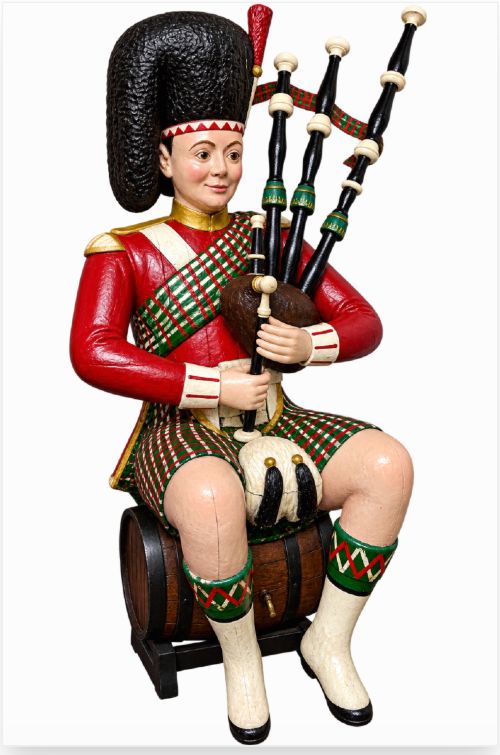
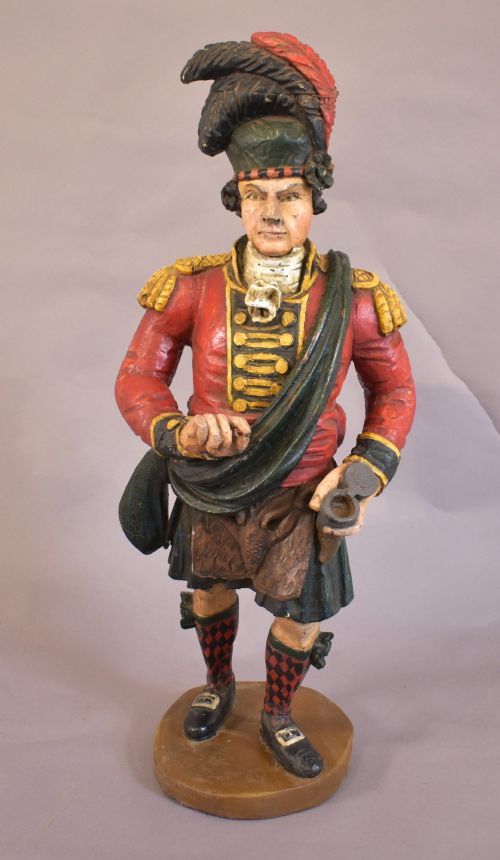
Carved trade figures and sculptural displays required specialised joinery, with craftsmen shaping solid blocks of wood into three-dimensional forms like highlanders, bagpipers, and tobacco Indians. Iron brackets, metal fixings, and occasional glass panels were integrated into the wooden frames to mount the signs securely outside shops.
A life-size wooden cricketer stands ready to block a delivery, proving that Victorians loved sports advertising as much as we do.
What varies in quality
Quality rests in the confidence of the brushwork, the depth of the original surface patination, and the integrity of the timber beneath the paint. Superior examples display crisp signwriting executed by skilled hands, whereas lesser pieces show hurried or clumsy lettering with minimal artistic merit.
The survival of untouched original paint surfaces without heavy modern overpainting dictates desirability among collectors. Signs that retain their honest weathered patination from decades of exposure command greater appreciation than those stripped or overly restored.
The Painted Wooden Trade Sign Glossary
- Polychrome paint
- Multi-coloured painting technique applied to wood or metal surfaces to create vibrant commercial displays. This colourful finish defined traditional shopfronts before modern plastics arrived.
- Gold leaf
- Extremely thin sheets of beaten gold applied to wooden lettering and architectural details to catch the light. Signwriters used this precious material to highlight elite merchants and upscale emporiums.
- Architectural salvage
- Building elements and exterior fixtures rescued from demolished commercial properties or older high street premises. These rescued pieces often include entire fascia boards and projecting advertising panels.
- Trade figure
- Three-dimensional carved wooden sculpture used outside a shop to indicate the trade within. Figures like highlanders and cigar store Indians acted as silent salesmen on the pavement.
Painted Wooden Trade Sign: Frequently Asked Questions
Were all trade signs displayed outdoors?
Many signs hung above the pavement on iron brackets exposed to rain, wind, and sun. This harsh environment created the characteristic weathered patination and crackled paint collectors value today.
Other examples functioned inside the shop as interior wall panels, pharmacy boards, or counter displays. Indoor survival often preserves brighter pigments and crisper gold leaf gilding.
How do I clean an old painted sign?
Dust the surface gently with a soft, dry brush to remove loose dirt without disturbing delicate, flaking paint layers. Avoid water, harsh detergents, or chemical solvents that strip historical pigments.
Leave aged patination intact, as cleaning away decades of grime diminishes the visual character. Professional conservation is best reserved for actively unstable surfaces.
What trades used carved wooden figures?
Tobacconists displayed carved wooden highlanders and American Indians outside their shops to advertise tobacco and cigars. Cobblers, chemists, and outfitters utilised similar sculptural markers to catch the attention of literate and illiterate passersby alike.
These striking figures served as durable, three-dimensional advertisements that outlasted painted paper posters. Their presence signalled established, prosperous businesses on busy commercial streets.