


Wooden Shop Signage
Wooden shop signage brings authentic trade history into a room, offering genuine hand-painted lettering and period character for modern interiors.
Wooden Shop Signage
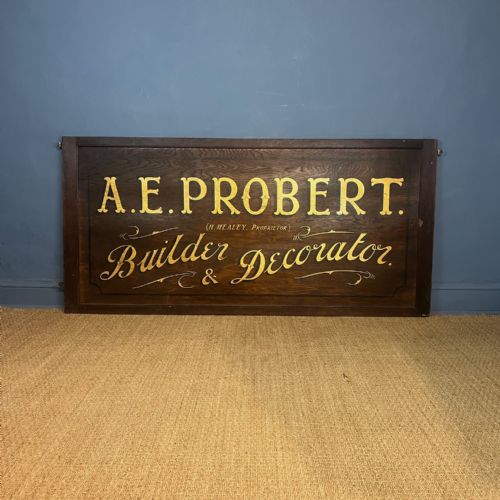
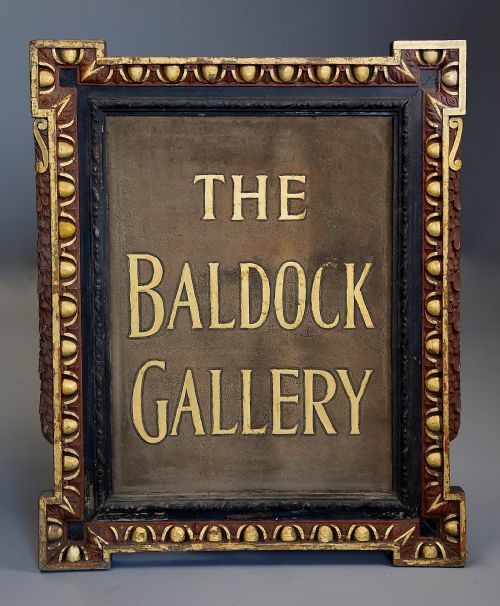
Wooden shop signage encompasses hand-painted trade signs, wall signs, and architectural salvage produced across the nineteenth and early twentieth centuries.
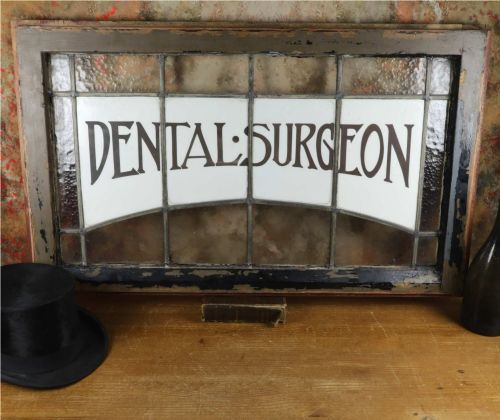
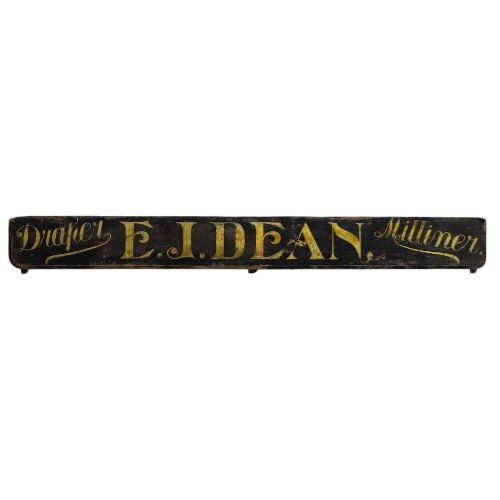
Buyers browsing this selection frequently encounter pine and oak boards created for milliners, drapers, locksmiths, and dental surgeons.
The objects span Victorian, Edwardian, and Belle Époque periods, reflecting the commercial streetscapes of past decades.
How wooden shop signage was made
Craftsmen utilised seasoned timber such as pine and oak as the base support for exterior and interior business boards.
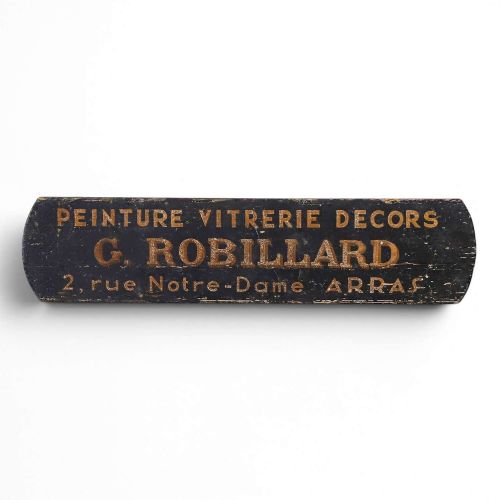
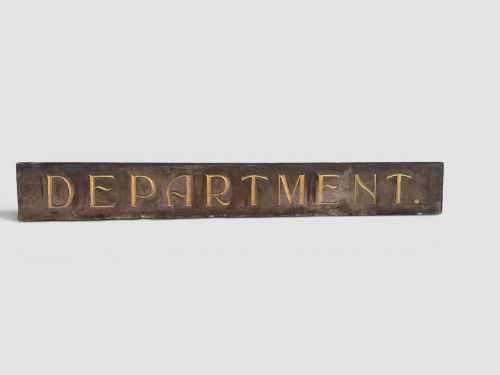
Makers applied oil paint by hand alongside gold leaf lettering to ensure high visibility and durability for bustling streets.
Certain pieces integrated glass and metal elements within original wooden frames to advertise specialised local trades.
Materials across these listings include pine, oak, glass, and metal combined with traditional oil paint and gold leaf.
What varies in quality
Quality rests in the precision of the hand-painted typography and the visual balance of the original lettering.
Surviving surfaces retain varying degrees of original paint, with untouched patinas commanding greater visual interest.
The Wooden Shop Signage Glossary
- Trade Sign
- A board or hanging marker commissioned by a merchant to advertise a specific profession or retail service to the public. These objects served purely practical functions on high streets before entering the decorative market.
- Gold Leaf
- Extremely thin gold beaten into sheets and applied to wooden letters to catch the light and prevent tarnishing. This technique provided high visibility for Victorian and Edwardian shopfronts.
- Architectural Salvage
- Building elements and commercial fittings rescued from structures destined for demolition or alteration. Such pieces retain authentic wear from decades of exposure to urban environments.
- Belle Époque
- A period of French history spanning the late nineteenth century up to the First World War, noted for distinct decorative arts. Signs from this era often display refined hand-painted lettering.
Wooden Shop Signage: Frequently Asked Questions
How do I hang a heavy wooden shop sign?
Heavy trade signs require secure fixings anchored directly into wall studs or masonry to support the substantial weight of the timber boards.
Using rated brackets ensures the sign remains stable without damaging the original wood or surrounding wall.
What periods do these shop signs date from?
The available signs span the Victorian era, the Edwardian period, and the early twentieth century up to the nineteen-thirties.
Each period exhibits distinct lettering styles and material choices typical of commercial advertising from those decades.
Are the painted surfaces original?
Most pieces feature original hand-painted lettering and aged patinas accumulated through active service on historical shopfronts.
Examinations often reveal layers of historic paint that demonstrate genuine use over many years.
What trades are commonly represented?
Surviving boards frequently advertise professional services and retail trades such as dental surgery, millinery, locksmithing, and drapery.
Specialised businesses often commissioned bespoke wooden signage to set their establishments apart on busy nineteenth-century streets.