






Antique Retail Display Sign
An antique retail display sign brings commercial history into the home, offering painted glass and framed trade lettering that once drew customers in.
Antique Retail Display Sign
When you search for an antique retail display sign, you are looking at functional pieces of trade history that originated in shops and commercial premises. These items bridge advertising history and domestic interior decoration, preserving the names of notable chocolate, cocoa, watch, and perfume brands.
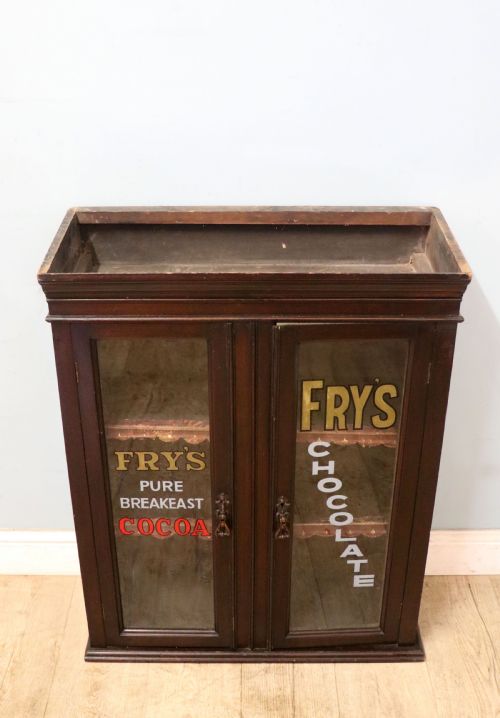
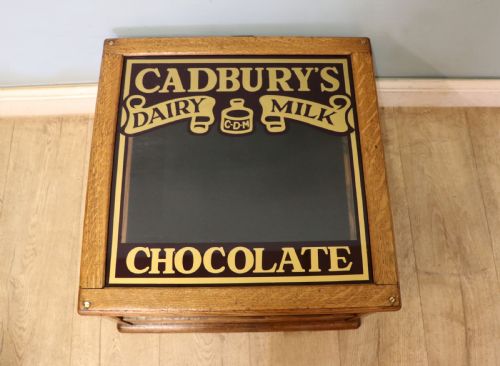
The pieces listed on this page span the Victorian and Edwardian eras, alongside the 1920s and 1930s. They appear as standalone wall signage, painted glass trade signs in wooden frames, and countertop cabinets adapted with sign-written advertising detail.
You will encounter glazed oak, mahogany, walnut, and hardwood display cabinets alongside dedicated trade signs. Many examples combine woodwork with hand-painted lettering, reflecting the commercial graphics of early twentieth-century commerce.
Materials and construction methods
These items utilise traditional cabinet-making timbers such as oak, mahogany, walnut, yew wood, and general hardwoods. Glazed doors and panels enclose display spaces, while separate trade signs rely on painted glass mounted within original wooden frames.
Surface decoration relies heavily on hand sign-writing, applied directly to glass or timber frames. Artisans utilised paint to render brand names and commercial details for commodities ranging from chocolate and fishing supplies to perfume and watches.
Listings feature oak, mahogany, walnut, and hardwood, alongside painted glass and velvet materials across Victorian and 1930s periods.
Assessing quality and execution
The distinction between items rests in the crispness and survival of the hand-painted lettering against the backing material. Original glass panels and well-preserved sign-written details command attention for their visual impact.
Cabinetwork quality appears in the selection of timbers like mahogany or yew wood veneer and the structural joinery of the frames. Well-executed glazing bars and solid hardwood construction elevate the physical presence of the display units.
The Antique Retail Display Sign Glossary
- Trade Sign
- A board or glass panel bearing lettering or graphics to advertise a business or product. These were displayed outside or inside shops to attract trade.
- Bijouterie Table
- A glazed display table designed for small valuable items, jewellery, or curiosities. They typically feature hinged glass lids and timber frames.
- Countertop Display Cabinet
- A shopfitting showcase placed on a sales counter to exhibit goods to customers. They frequently incorporate glazed panels and wooden frames.
- Sign-Written
- Lettering applied by hand using paint rather than printed mechanically. This method defined commercial signage before modern printing techniques.
- Glazed Shopfitting Cabinet
- A commercial storage and display unit fitted with glass panels. These were essential fixtures in traditional retail environments.
Antique Retail Display Sign: Frequently Asked Questions
What is an antique retail display sign?
An antique retail display sign is a piece of commercial advertising originating from shops, showrooms, and trade premises. These items include painted glass wall signage and cabinets featuring hand-lettered brand names.
They preserve the commercial aesthetics of the Victorian and Edwardian periods, as well as the 1920s and 1930s. Collectors value them for their graphic qualities and connection to retail history.
How were these signs used originally?
Merchants used these pieces to identify their establishments, promote specific manufacturers, and showcase goods to the public. Painted glass signs hung on walls or in windows, while countertop cabinets held wares alongside brand advertising.
Items advertised included confectionery, watches, perfume, and fishing supplies. They served both a decorative function and a commercial purpose in bustling retail environments.
How do I live with an antique retail display sign?
These pieces integrate well into modern interiors as wall art or functional display surfaces. Wall signage hangs securely in kitchens, hallways, or living spaces, adding graphic interest and historic character.
Countertop cabinets and glazed display tables offer practical storage for collections while serving as focal points in a room. Their wooden frames and painted details complement both traditional and contemporary settings.
How can I tell different periods apart?
Differentiating periods relies on observing timber choices, framing styles, and the specific typography of the sign-writing. Victorian and Edwardian pieces often display heavier mouldings and traditional cabinet timbers like mahogany and solid walnut.
Examples from the 1920s and 1930s frequently reflect changing commercial aesthetics and streamlined display forms. Examining the construction of the wooden frames and the style of the painted lettering provides clear chronological clues.