




Antique Academic Study Drawing
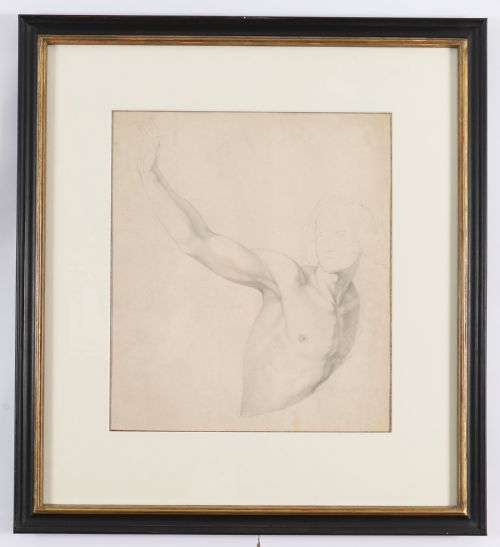
An antique academic study drawing captures the rigorous training of past artists through detailed life studies and classical renderings.
Antique Academic Study Drawing
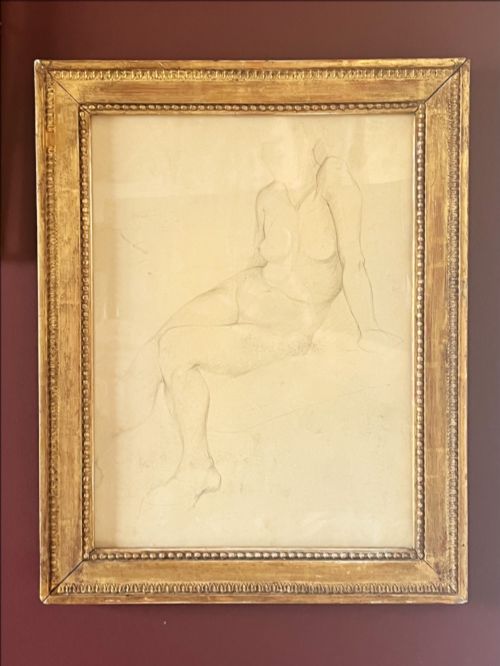
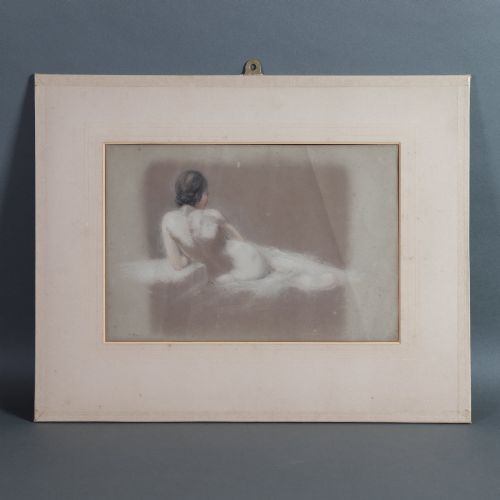
When searching for an antique academic study drawing, collectors encounter works executed across the eighteenth, nineteenth, and early twentieth centuries. These sheets record the foundational training of artists through life studies, plaster cast renderings, and historical compositions.
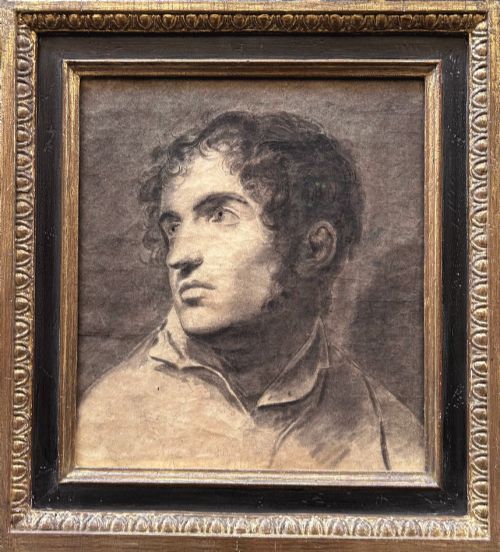
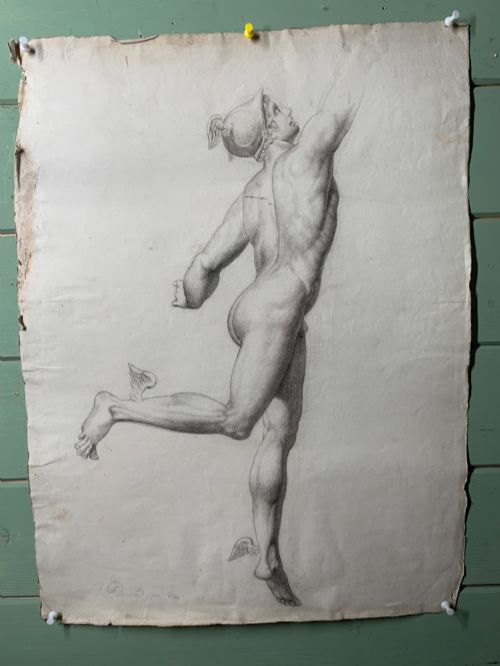
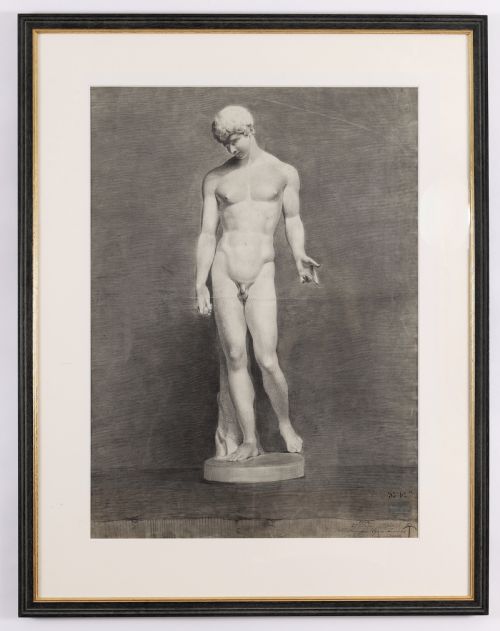
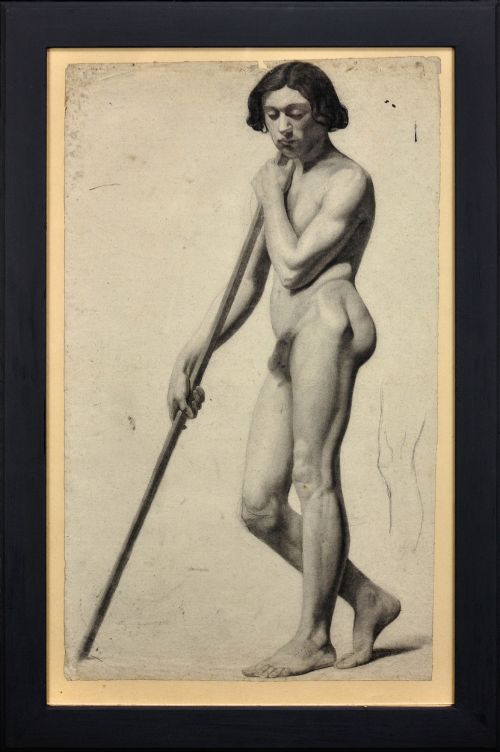
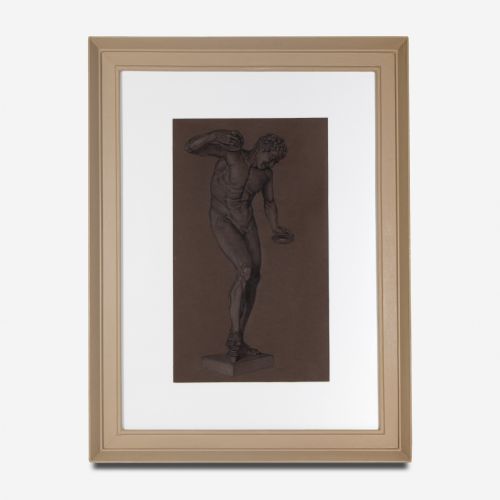
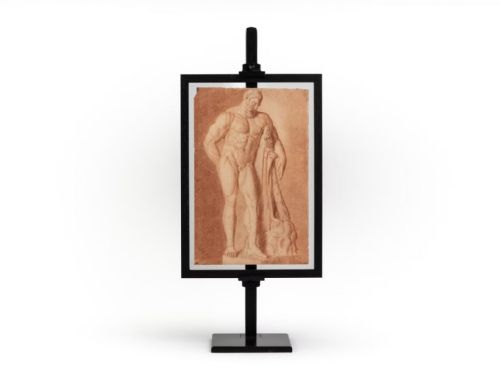
The most common examples on this page are figural and nude studies originating from French and English schools. Pieces frequently depict mythological figures, classical statues such as the Capitoline Antinous, and portraits rendered in educational workshops.
Works range from intimate graphite sketches and red chalk drawings to large charcoal compositions and framed mixed media pieces. Many retain their period wooden or gilt frames, preserving the presentation favoured by nineteenth-century collections.
Materials and execution
These drawings rely on traditional supports such as paper, toned paper, and occasionally oil on paper. Artists utilised mediums including graphite, charcoal, red chalk, sanguine, pen and ink, and watercolour to build form and tone.
Techniques often combined precise academic realism with preparatory layering, sometimes employing grisaille or highlighting with white chalk. Many surviving sheets demonstrate recto and verso use, where artists reused precious paper for multiple observational sketches.
Artists frequently flipped their sheets to sketch on the back, proving that recycling paper to capture a stray foot or hand is a centuries-old habit.
Assessing quality and execution
The distinction between standard student exercises and superior works rests upon anatomical precision, confidence of line, and expressive handling of light and shadow. Master draftsmen achieved dynamic tension in musculature and portraiture that elevates a sheet beyond a mere classroom exercise.
Condition also influences standing, as paper naturally yellows and foxing accumulates over centuries. Stronger examples retain crisp contrast in the charcoal or graphite without excessive restoration or degradation of the underlying paper fibre.
William Etty·Henry Arthur Roberts·Pierre-Paul Prud'hon·William Edward Frost·Winifred Eugene Ballard·Reginald G. Eves·John Macallan Swan·Theobald Chartran·Ernest Borough Johnson·George Richmond
The Antique Academic Study Drawing Glossary
- Academic Realism
- A style of painting and drawing produced under the influence of European academies of art, prioritising strict adherence to classical forms and anatomical accuracy.
- Sanguine
- A type of red chalk used extensively for portraiture and figural studies, prized for its warm, earthy tone that mimics flesh.
- Grisaille
- A method of painting or drawing executed entirely in shades of grey or neutral monochrome, often used to simulate sculpture or create a monochromatic tonal study.
- Recto and Verso
- Terms denoting the front and the back of a single sheet of paper or canvas, where artists frequently drew on both sides during periods when paper was scarce.
- Plaster Cast
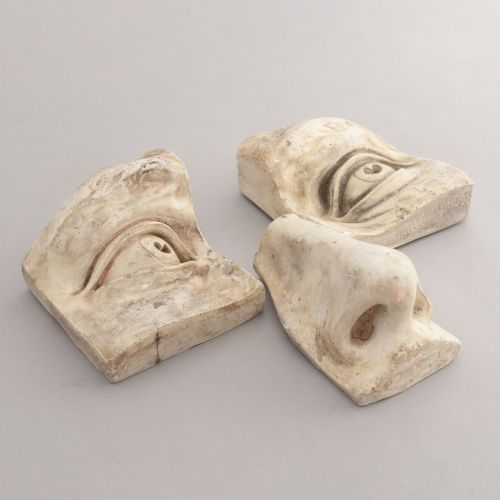
- A three-dimensional white model of a classical sculpture utilised by art students to learn light, shade, and proportion before drawing from a live model.
Antique Academic Study Drawing: Frequently Asked Questions
What is an academic study drawing?
An academic study drawing is a preparatory or instructional artwork created by an artist or student within a formal art school setting. These works focused on mastering human anatomy, perspective, and classical sculpture.
Such drawings served as the foundational building blocks for larger historical or allegorical paintings rather than finished exhibition pieces. Consequently, they reveal the raw technical training and observational discipline demanded by historical academies.
How were these drawings used historically?
Artists utilised these studies to hone their observational skills by drawing from live models or plaster casts of antique statues. This rigorous practice allowed painters and sculptors to understand musculature, posture, and lighting before executing major commissions.
Collectors often framed these sheets for display in studies and libraries, appreciating the direct insight they provide into the historic artistic process. They functioned simultaneously as teaching tools and as independent demonstrations of draughtsmanship.
How can I tell the period of a drawing?
Dating relies on examining the watermark of the paper, the framing style, and the stylistic conventions of the academic tradition shown. Eighteenth-century sheets often display laid paper and subtle red chalk techniques, whereas late nineteenth-century works frequently feature bolder charcoal or graphite use.
Inscribed dates, artist signatures, or collector stamps verso also provide definitive clues to the exact era. Comparing the costume, hairstyle, or subject matter to known historical periods further narrows the timeline.