


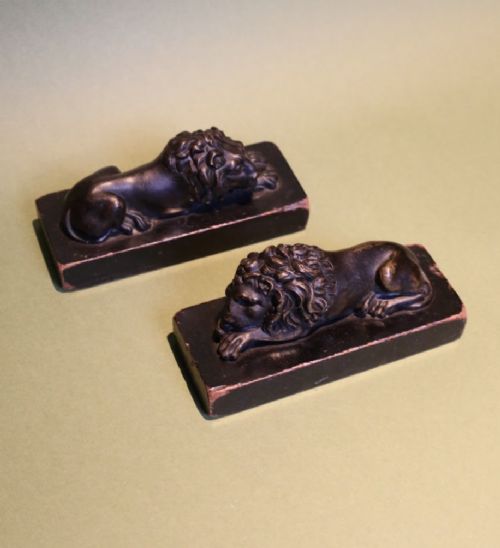


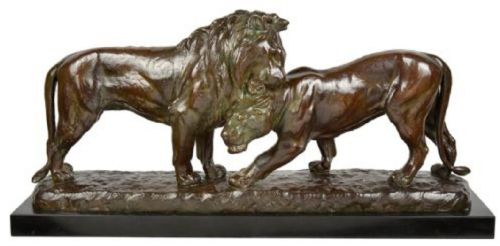


Animalier Bronze Lion
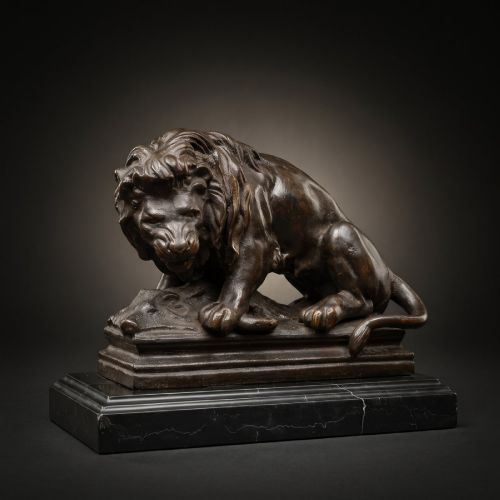
An animalier bronze lion captures the tension and muscular power of the beast, bringing nineteenth-century naturalism straight to your desk or mantelpiece.
Animalier Bronze Lion
When you search for an animalier bronze lion, you encounter realistic studies of big cats shaped by nineteenth-century European sculptors who observed animals closely in menageries. These pieces range from monumental studies of roaring beasts to functional items like inkstands and bookends.
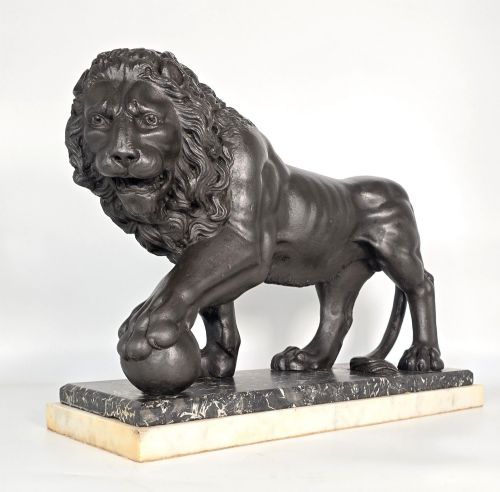
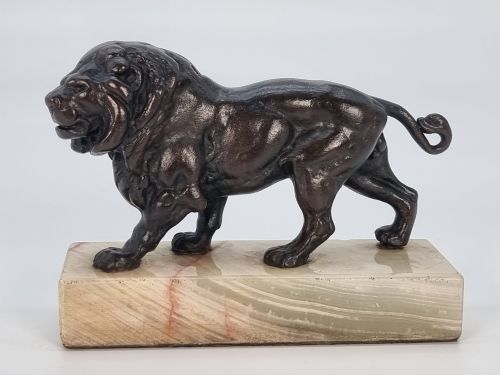
The most frequent examples on this page are French and Austrian works from the nineteenth century, often mounted on heavy marble or onyx plinths. You will also find classical derivations such as the Medici and Canova lion figures stemming from Grand Tour travels.
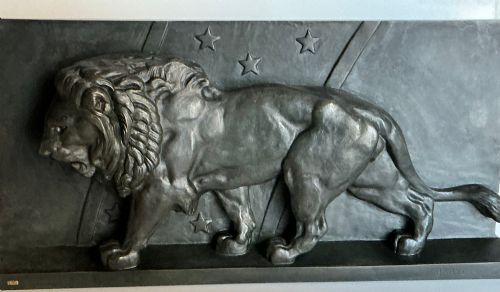
Forms vary from prowling figures and bas-reliefs to seated pairs and resting lion and lioness compositions. Each captures a distinct mood, shifting from quiet watchfulness to open aggression.
Materials and casting methods
The primary medium is cast bronze, finished with various patinations to render the pelt, muscle and mane in realistic detail. Founders also applied cold painting or gilding to select highlights, creating contrast against the dark metal.
Sculptures are frequently mounted on bases of black marble, onyx or timber to provide stability and visual weight. Alternative mediums such as bronzed plaster appear occasionally as period studio studies.
Animalier Bronze Lion Retail Price Guide 2026
Typical asking prices for animalier bronze lion among the pieces listed under this phrase on Sellingantiques today, from the lower quarter to the upper quarter. They describe what is for sale here now, not the wider market.
Current listings feature materials including bronze, gilt bronze, patinated bronze, marble, onyx, timber and plaster across the nineteenth and twentieth centuries.
Distinctions in quality
Quality rests upon the crispness of the chase work, where skilled artisans hand-tooled the raw casting to define claws, fur texture and facial expression. Finer pieces retain deep musculature and anatomical accuracy without losing definition in the softer details.
The harmony between the metal sculpture and its stone plinth dictates overall balance, as does the subtlety of the chemical patination. Superior casts show a deliberate weight and structural integrity that mark them apart from ordinary reproductions.
Antoine Louis Barye·Barbedienne·C Omin·G Gardet·Louis Riche·Le Courtier·Antoine-Felix Bouré
The Animalier Bronze Lion Glossary
- Animalier
- A nineteenth-century artistic movement dedicated to the realistic representation of animals. Practitioners studied live subjects in zoological gardens to achieve accurate movement and anatomy.
- Patination
- The chemical treatment applied to the surface of the bronze to produce a specific colouration. This layer protects the metal while enhancing the sculptural contours.
- Grand Tour
- A traditional trip through Europe undertaken by upper-class young men in the eighteenth and nineteenth centuries. Travellers collected small bronzes and antiquities as cultural souvenirs.
- Cold painted
- A method where paint is applied to cold bronze without subsequent firing. Bergman pieces famously utilised this technique to achieve vibrant polychrome surfaces.
- Plinth
- A heavy base of marble, onyx or timber supporting the bronze sculpture. It elevates the work and provides necessary physical ballast.
Animalier Bronze Lion: Frequently Asked Questions
How do I identify a nineteenth-century animalier bronze?
Examine the quality of the chasing and the depth of the metal patination. Nineteenth-century works display hand-finished details and heavy, naturalistic casting that later copies struggle to replicate.
Check the base materials, as period pieces often utilise specific stones like black marble or onyx alongside traditional foundry marks or artist signatures.
Where were these lion sculptures placed originally?
Victorian and Edwardian collectors displayed these bronzes in studies, libraries and drawing rooms. Smaller pieces functioned as desk accessories, paperweights, or bookends.
Larger sculptures stood independently on mantelpieces, pedestals or specialised furniture to display wealth and an appreciation for natural history.
What is the difference between a Medici lion and a regular lion sculpture?
Medici lions replicate the iconic marble pair guarding the Villa Medici in Rome, featuring a male lion resting its paw on a sphere. They carry a distinct neoclassical lineage tied to the Grand Tour tradition.
Standard animalier lion sculptures focus on wild, untamed movement observed directly from nature rather than classical architectural prototypes.
How should I care for a bronze lion at home?
Dust the surface regularly with a soft, dry brush to prevent particulate buildup in the crevices of the mane. Avoid using chemical cleaners or polishes that can strip the historic patination.
Keep the sculpture away from direct sunlight and damp environments to protect both the metal and the underlying marble or onyx plinth.