
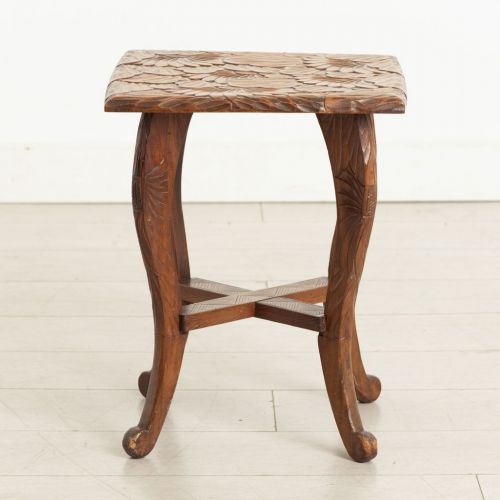
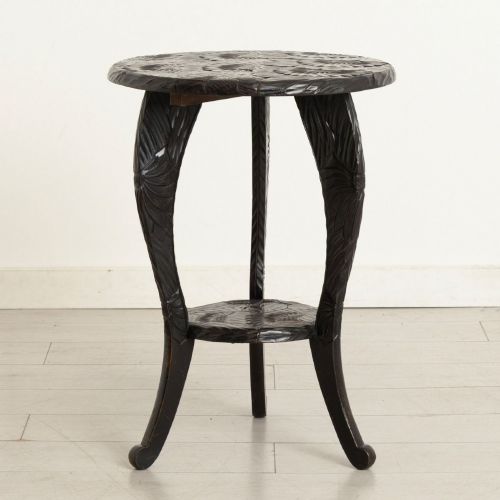


Anglo Japanese Side Table
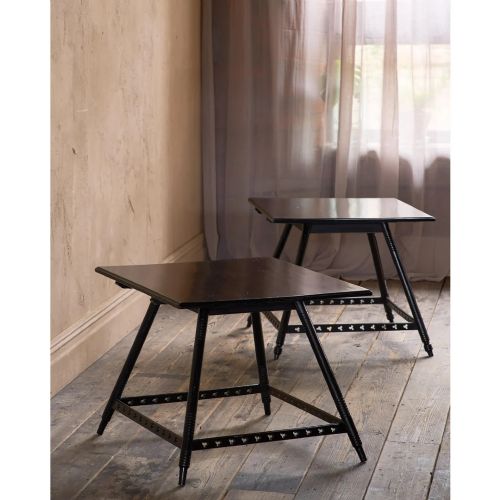
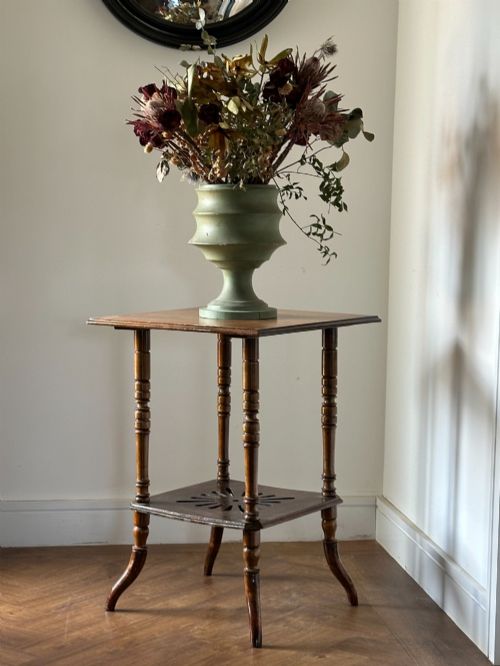
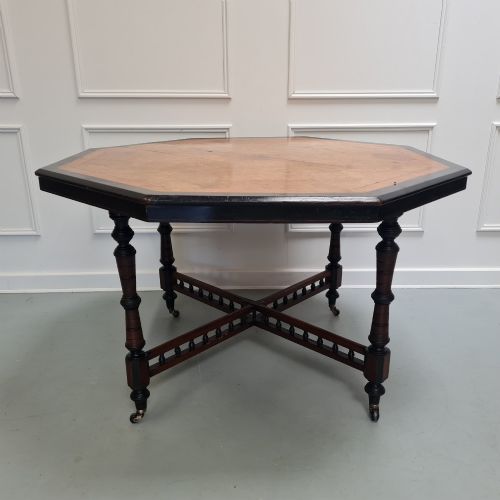
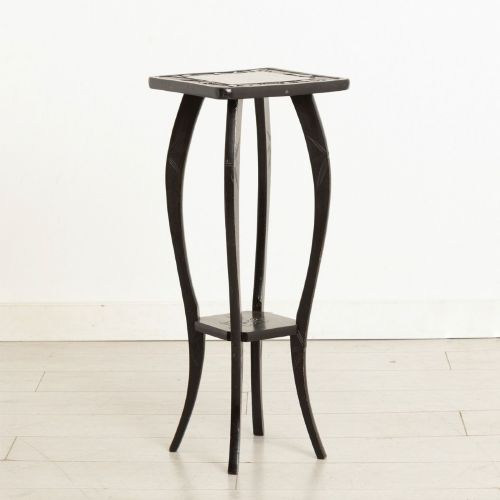
These anglo japanese side table examples bring together the geometric restraint of English furniture and the clean lines of Japanese design.
What an anglo japanese side table is
An anglo japanese side table takes various forms including side tables, occasional tables, and pagoda occasional tables. The pieces documented on this page span the 19th Century, 1870, 1880, 1920, and the Edwardian period.
Makers and designers working in the Aesthetic Movement and the Anglo-Japanese style produced these pieces. The most common format is a low occasional or side table designed for a Victorian or Edwardian interior.
Materials and construction
The construction relies on solid timbers and finishes recorded in the listings as mahogany, ebonised wood, and carved hardwood. Workshops utilised these dark or blackened woods to echo Japanese lacquerware.
Brass fittings and hand carved detailing appear across the examples. Artisans shaped the wood to emulate traditional Japanese architectural motifs, such as pagoda roofs.
Retail Price Guide 2026
Typical UK retail prices for anglo japanese side table, calculated from the Sellingantiques database of over a million retail prices indexed since 2003. This retail price guide relies exclusively on Sellingantiques data; no external sources or auction records are used, so the figures do not describe the wider market.
The site listings feature pieces from the 1870s, 1880s, 1920s, and the Edwardian era.
Assessing quality
Quality rests on the fidelity of the design to the principles set by designers like E. W. Godwin versus generic mass production. Pieces reflecting specific architectural forms show superior cabinet-making.
The crispness of the hand carving in hardwood and the depth of the ebonised finish separate standard workshop output from exceptional examples.
Liberty of London·E W Godwin
The Anglo Japanese Side Table Glossary
- Aesthetic Movement
- A late nineteenth-century art and design movement that rejected heavy Victorian ornamentation in favour of art for art's sake and Japanese influence.
- Ebonised wood
- Timber treated with a dark stain or finish to imitate expensive ebony, frequently utilised in nineteenth-century fashionable furniture.
- Occasional table
- A small, light table intended to be moved around a room as needed for tea, books, or decorative objects.
- Pagoda
- A tiered tower with multiple eaves, the architectural inspiration behind specific occasional table designs in this style.
Frequently Asked Questions
What is an anglo japanese side table?
It is a small piece of furniture combining British cabinet-making traditions with Japanese design influences that emerged during the nineteenth century.
These tables typically serve as occasional furniture for display or general use in a reception room.
How do I identify the style?
Look for ebonised or mahogany timber, geometric lines, and details inspired by Japanese art and architecture.
Many pieces reflect the specific design principles associated with the Aesthetic Movement and makers like E. W. Godwin.
Where were they used?
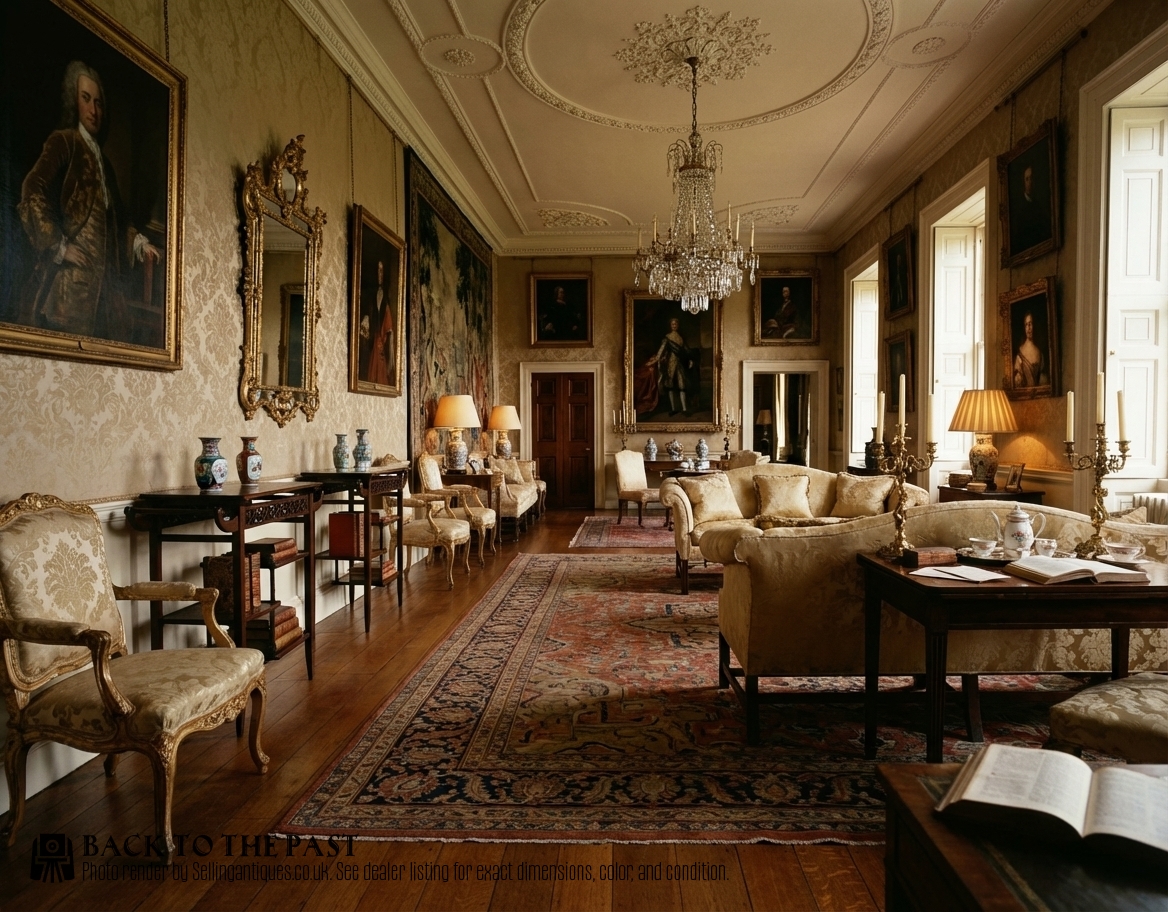
They were placed in drawing rooms and parlours of Victorian and Edwardian homes to display ornaments or hold small items.
Their light construction made them easy to reposition around the room depending on the occasion.
How do I care for ebonised wood?
Keep the wood away from direct sunlight and excessive heat to prevent the dark finish from fading or cracking.
Dust gently with a dry, soft cloth and avoid applying harsh chemical polishes that might damage the surface.