

Anglo Indian Side Tables
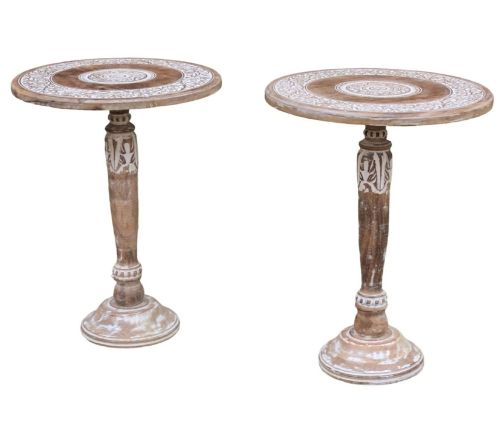
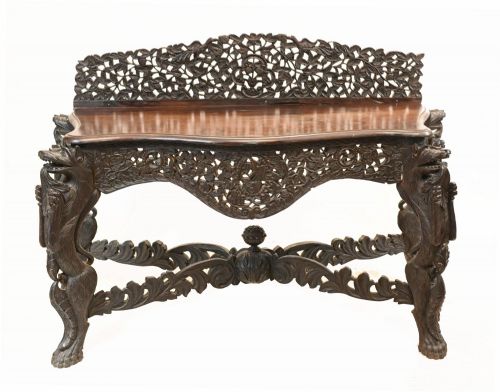
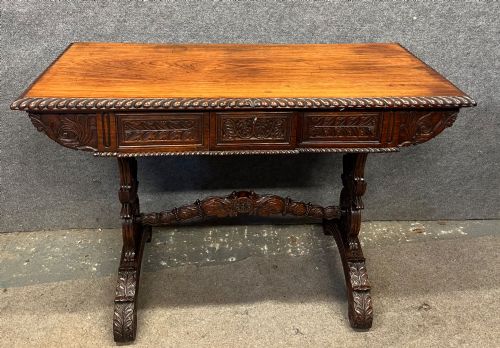
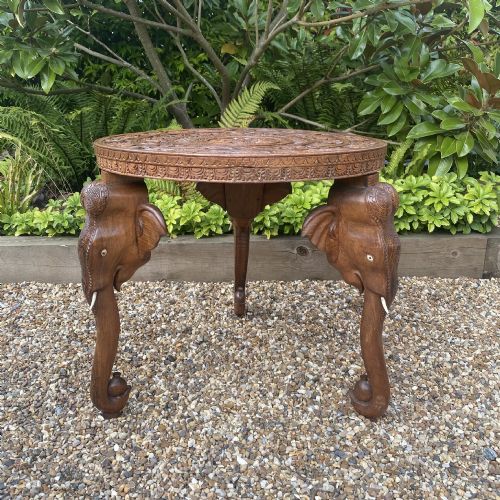
Anglo Indian side tables bring colonial craftsmanship into domestic rooms, combining traditional Eastern forms with Western utility.
Anglo Indian Side Tables
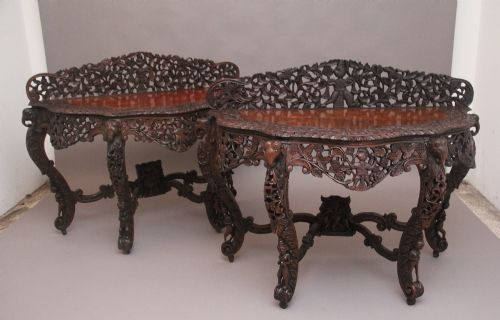
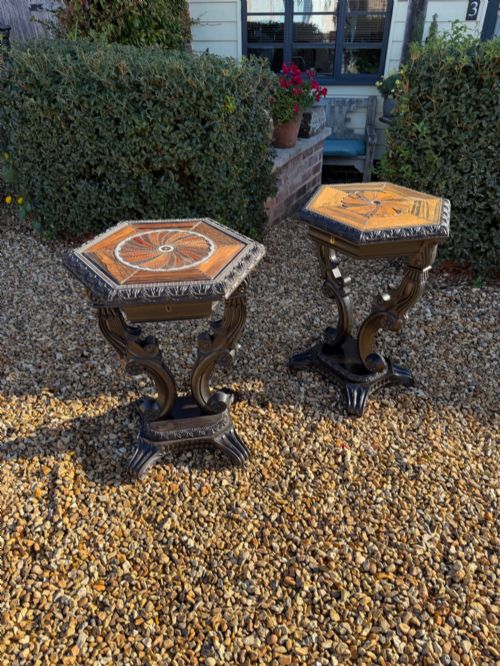
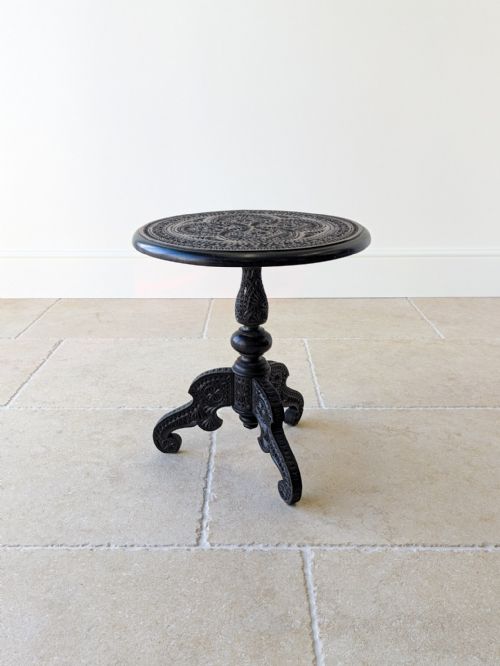
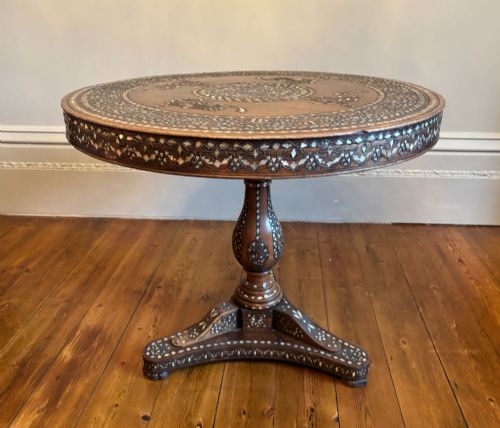
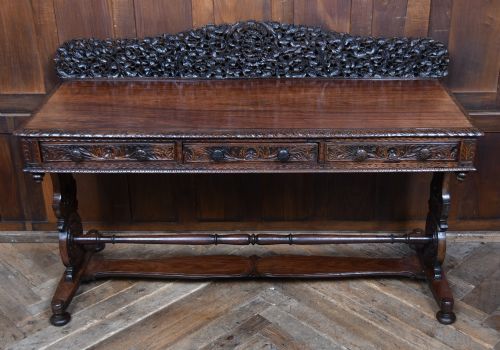
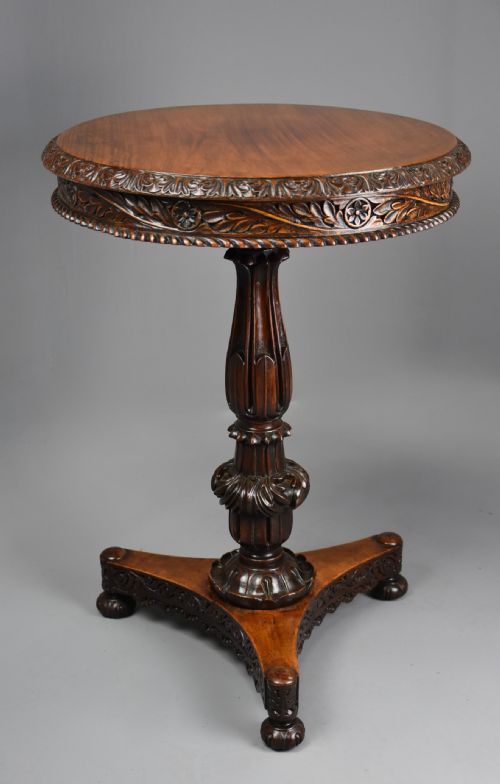
Anglo Indian side tables encompass occasional tables, console tables, coffee tables, and pedestals originating from nineteenth-century British colonial influence in the Indian subcontinent and Burma.
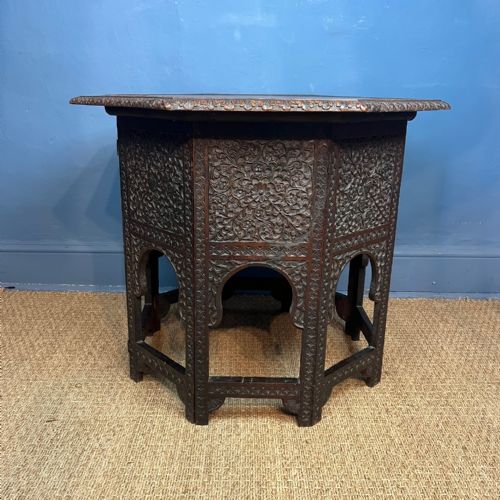
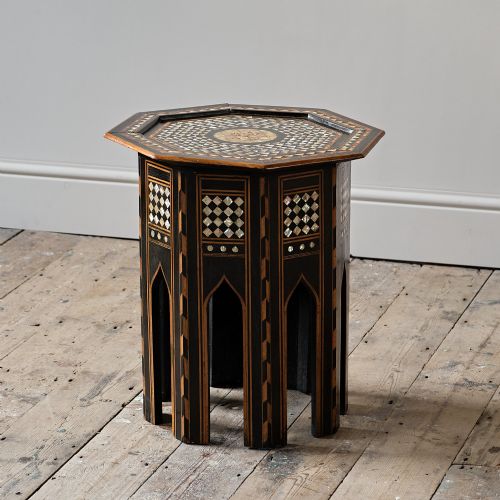
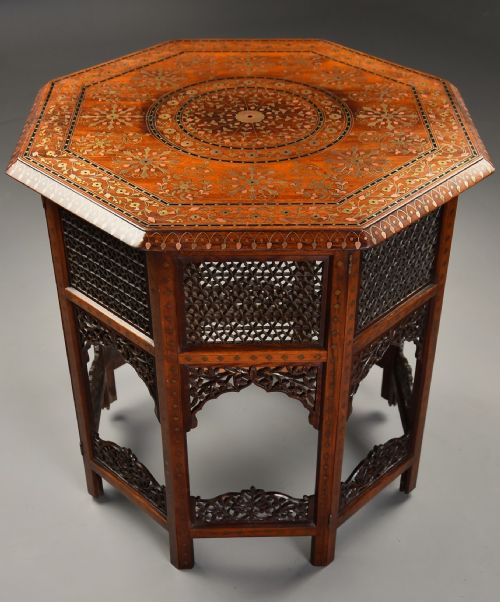
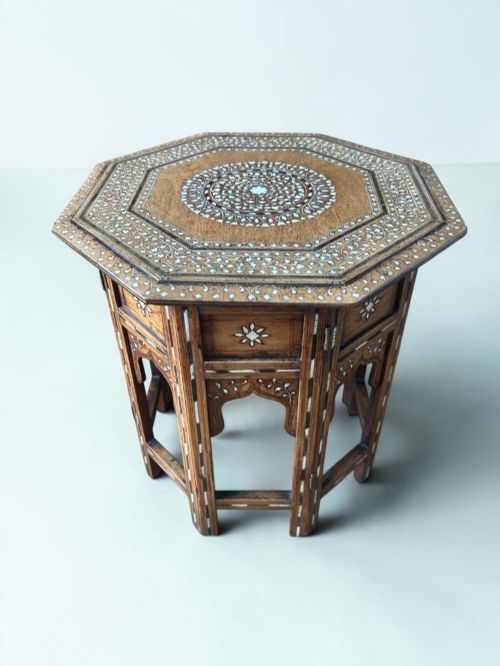
The octagonal occasional table appears most frequently on this page, often associated with the Hoshiarpur region and detailed geometric inlay work.
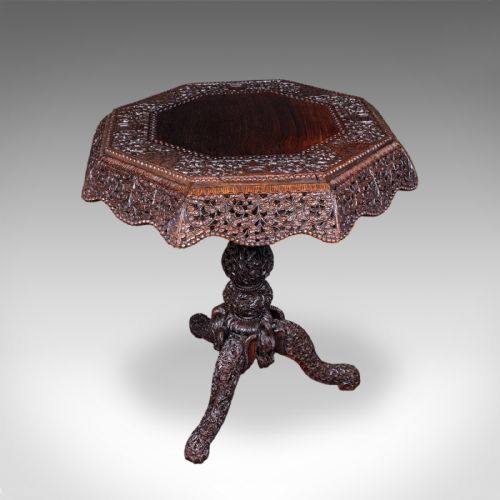
Makers utilised regional styles such as Anglo-Ceylonese, Anglo-Burmese, and Moorish Revival alongside standard Victorian British furniture forms.
Materials and Construction
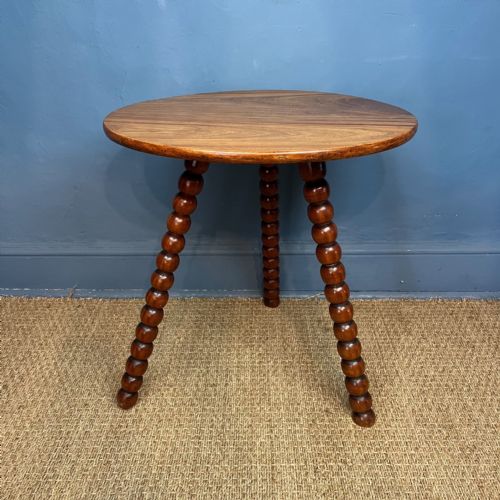
Carvers shaped dense timbers including teak, rosewood, padouk, ebony, and walnut into folding or rigid occasional tables.
Surfaces received intricate surface decoration through bone inlay, mother of pearl, brass sheeting, and copper inserts.
Anglo Indian Side Tables Retail Price Guide 2026
Typical asking prices for anglo indian side tables among the pieces listed under this phrase on Sellingantiques today, from the lower quarter to the upper quarter. They describe what is for sale here now, not the wider market.
Listings span the nineteenth century through to nineteen twenty, featuring teak, rosewood, padouk, and walnut.
Craftsmanship and Detail
Quality rests upon the depth and precision of the carved foliage, figures, and geometric patterns executed across the timber surfaces.
The density and retention of delicate bone or mother of pearl inlay separate standard production items from finer regional pieces.
Liberty And Co
The Anglo Indian Side Tables Glossary
- Hoshiarpur
- A district in Punjab known for intricate woodcarving and geometric inlay using bone and brass.
- Padouk
- A heavy tropical hardwood with reddish tones utilised for nineteenth-century colonial furniture.
- Octagonal
- Having eight sides, forming the geometric plan common to many tables on this page.
- Inlay
- A technique where contrasting materials like mother of pearl or bone are set into recesses flush with the wood surface.
Anglo Indian Side Tables: Frequently Asked Questions
Where were these tables made?
These pieces originate from workshops across the Indian subcontinent, Burma, and Ceylon during the nineteenth and early twentieth centuries.
Local artisans constructed them to satisfy both regional customs and the demands of British colonial residents.
How do I care for inlaid wood?
Keep wooden surfaces nourished with appropriate wax polishes and protect the inlay from excessive dryness or moisture.
Avoid placing these tables in direct sunlight or near heat sources to prevent the wood and delicate bone sections from shrinking.
What is Hoshiarpur work?
Hoshiarpur work refers to wooden furniture densely decorated with carved patterns and geometric inlay in bone or brass.
This distinct regional style yields deeply textured surfaces across occasional and folding tables.
Are folding tables sturdy?
Many octagonal tables employ interlocking folding bases designed for portability while maintaining structural stability.
Care should be taken when moving them to ensure the wooden hinges or joints seat correctly.