

Anglo Indian Antiques
Anglo Indian antiques bring together British domestic forms and intricate Eastern craftsmanship, offering striking statement pieces for the home.
Anglo Indian Antiques
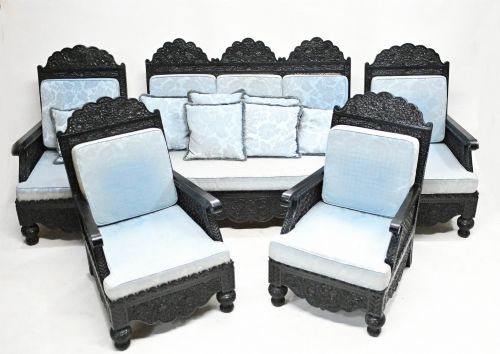
Anglo Indian antiques represent a distinct fusion of British furniture design and traditional colonial craftsmanship, spanning periods from the eighteenth century through to the early twentieth century. When exploring this category, a buyer encounters everything from robust campaign chests and writing boxes to heavily carved side tables, armchairs, and expansive four-poster beds.
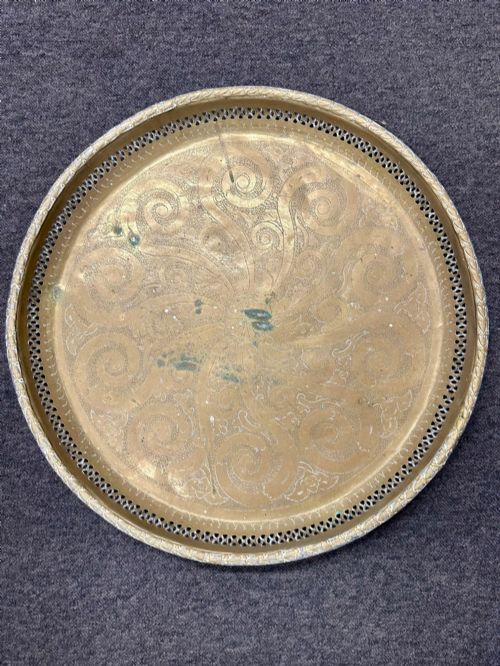
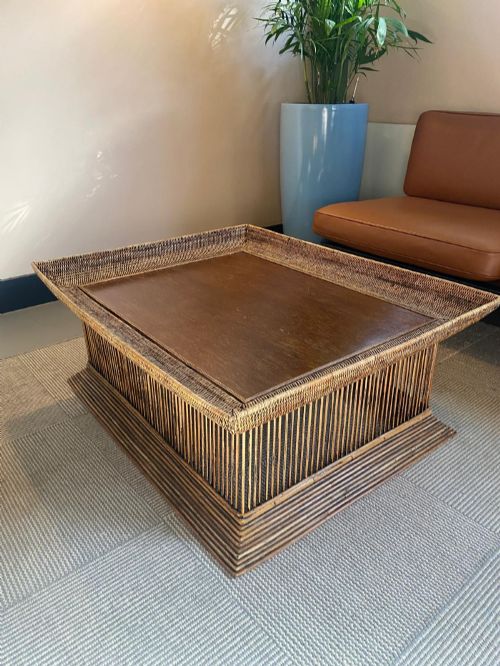
The objects frequently display regional characteristics influenced by specific areas such as Ceylon, Burma, and Kashmir. Side tables, occasional furniture, and wall mirrors dominate the selections available, alongside larger storage trunks and fitted serving trays.
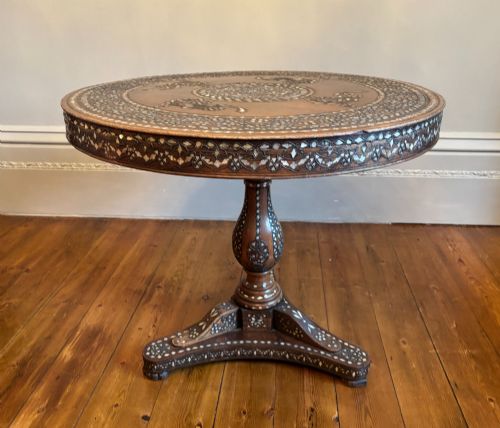
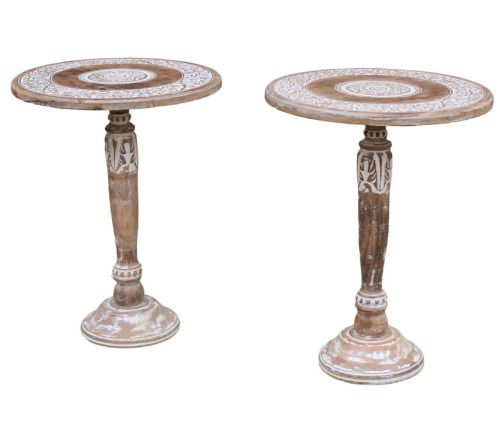
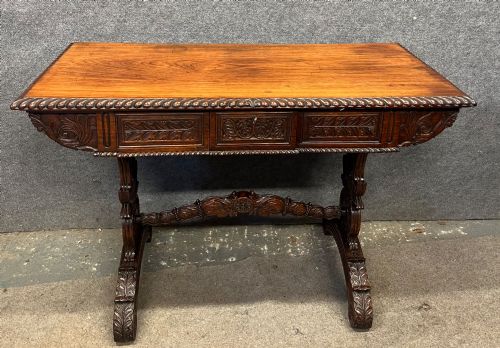
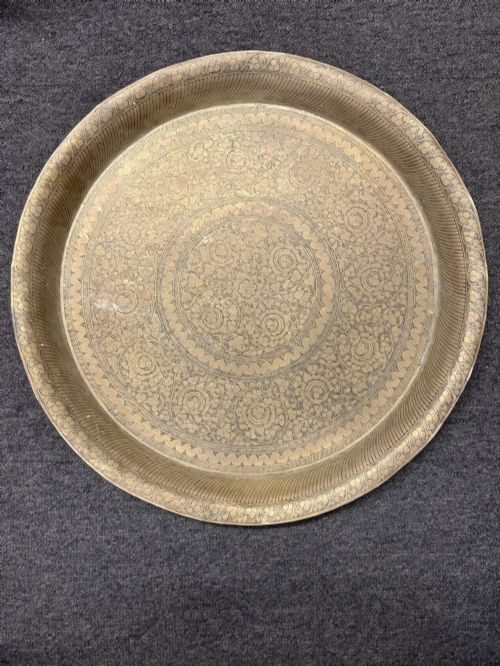
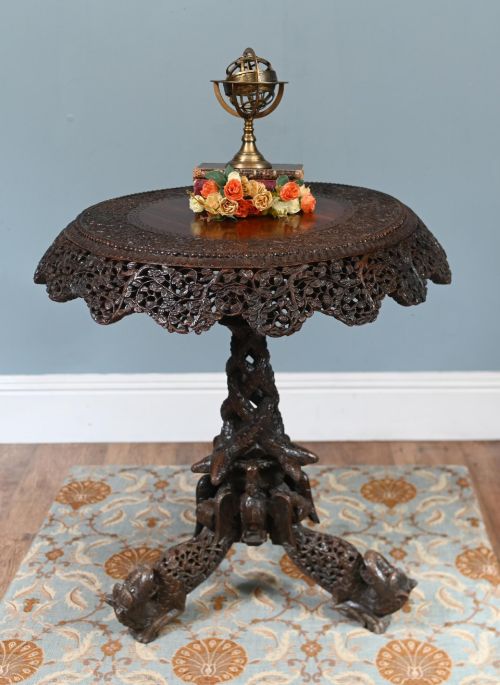
Makers working within these traditions adapted familiar European forms, including pedestal tables and cabinets, by applying dense indigenous carving, brass inlay, or painted papier-mâché details.
Materials and construction
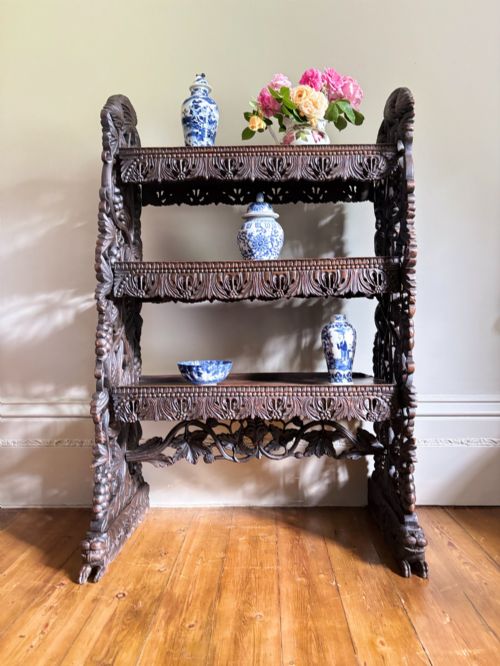
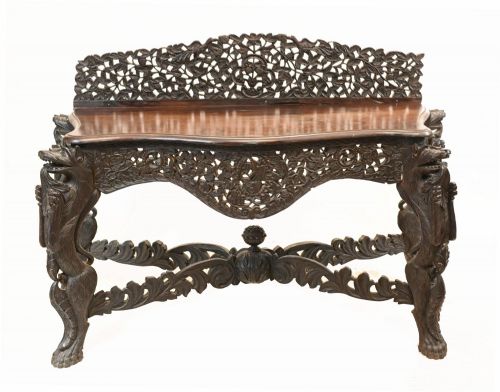
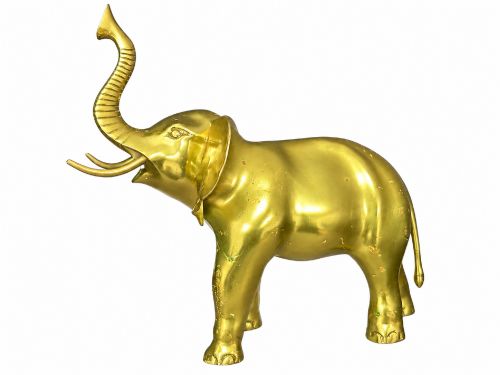
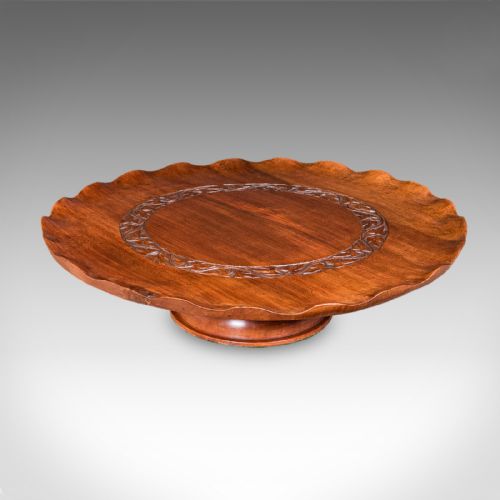
The construction relies heavily on dense, durable tropical timbers such as teak, rosewood, padouk, ebony, and camphor wood, chosen for their ability to withstand humid climates and intricate carving. Artisans utilised deep relief carving techniques, often covering entire surfaces with floral motifs, geometric patterns, or figures of elephants.
Many items incorporate contrasting materials, pairing dark hardwoods with inlaid brass, copper, bone, or mother of pearl. Lacquerwork and hand-painted designs appear on lighter items like papier-mâché letter openers and trays from Kashmir, whilst campaign pieces utilise brass corner brackets and flush folding handles for portability.
Anglo Indian Antiques Retail Price Guide 2026
Typical asking prices for anglo indian antiques among the pieces listed under this phrase on Sellingantiques today, from the lower quarter to the upper quarter. They describe what is for sale here now, not the wider market.
Assessing craftsmanship
Quality in these pieces rests upon the crispness of the hand-carved detail and the selection of the timber. Superior examples exhibit deep, sharply defined relief work with symmetrical patterns, whereas lesser pieces show shallower, softer carving that lacks definition.
The stability of the joints and the preservation of secondary materials such as inlay or lacquer also dictate the standard of the item. Well-proportioned forms with tightly fitted internal compartments and original patination stand apart from heavily altered or restored equivalents.
The Anglo Indian Antiques Glossary
- Campaign chest
- A modular storage trunk designed to separate into sections for military transport, typically fitted with brass corners, flush handles, and recessed pulls.
- Padouk
- A heavy, durable reddish-brown tropical hardwood frequently utilised for colonial furniture and storage boxes due to its resistance to warping.
- Papier-mâché
- A moulded pulp material built up and finished with painted lacquer, commonly seen in decorative items originating from Kashmir.
- Cellarette
- A fitted storage chest or box intended for holding wine bottles, often raised on a stand for dining room use.
- Specimen wood
- Furniture constructed from an arrangement of multiple contrasting timber varieties, creating a decorative mosaic effect across the surface.
Anglo Indian Antiques: Frequently Asked Questions
How do I care for solid rosewood and teak furniture?
Keep these items away from direct heat sources and sudden humidity changes to prevent timber splitting.
Apply a light application of beeswax occasionally to maintain the natural lustre of the dark wood.
What is the difference between campaign furniture and standard colonial pieces?
Campaign items feature modular designs, removable legs, and protective brass hardware intended for military travel.
Standard colonial pieces are built as permanent stationary furniture for residences and verandas.
How can I identify Kashmiri papier-mâché items?
These pieces feature smooth, painted lacquer surfaces decorated with intricate floral or bird motifs.
They are lightweight compared to hardwood items and typically comprise smaller decorative objects or desk accessories.
Where were most Ceylonese ebony pieces made?
Master workshops in regions such as Galle produced intricate ebony furniture for export and local colonial use.
These items are recognised for their dense black timber and elaborate carved decoration.