


Anatolian Hand Woven Rug
An anatolian hand woven rug brings centuries of village craftsmanship into a room through dense wool and botanical dyes.
Anatolian Hand Woven Rug
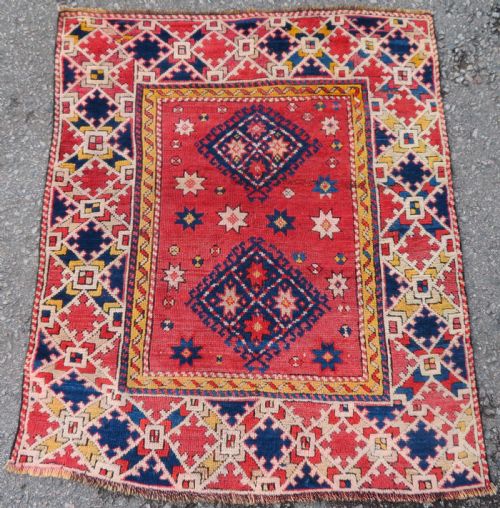
An anatolian hand woven rug encompasses village and town floor coverings originating from various regions of Turkey, spanning formats from small prayer mats to large carpets. The pieces appearing here most frequently date from the nineteenth century through the early twentieth century, reflecting traditional tribal and regional weaving centres.
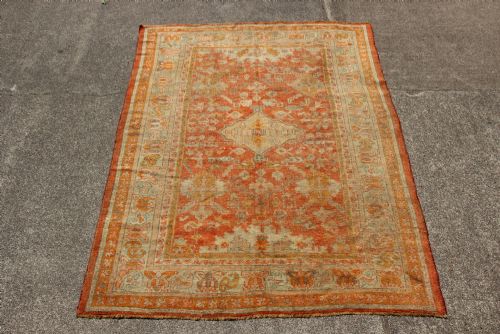
The inventory on this page ranges from compact village pieces such as Bergama, Milas, and Kirsehir rugs to expansive Ushak carpets. Buyers encounter diverse formats including area rugs, bag face cushions, and specialised prayer rugs featuring mihrab designs.
Materials and Techniques
Weavers utilised natural sheep wool, hand-spun wool, and occasionally angora wool or cotton for the structural foundation and pile. Later twentieth-century examples incorporate mercerised cotton and art silk alongside traditional materials.
The construction relies entirely on manual knotting techniques executed on vertical looms. Natural dyestuffs produced the characteristic palette seen across these village and regional carpets.
Several listings include bag face cushions, preserving domestic nomad storage sacks as decorative home furnishings.
Evaluating Quality
Quality rests upon the fineness of the knotting and the integrity of the wool foundation. Tighter knots and resilient hand-spun fibres indicate superior structural longevity.
Visual depth relies on the harmony and saturation of the natural dyes used in the design. Pieces demonstrating clear regional iconography and balanced proportion command greater appreciation.
The Anatolian Hand Woven Rug Glossary
- Prayer rug
- A small format rug featuring a mihrab or arch design indicating the direction of prayer. These pieces typically served domestic devotional use in village settings.
- Mihrab
- The arched niche design focal point found at one end of a prayer rug. It represents the prayer hall architecture of a mosque.
- Knot
- The individual loops of wool tied around the warp threads that form the pile of the carpet. Density varies between fine town pieces and coarser village work.
- Warp
- The vertical threads stretched tightly on the loom that carry the weight of the rug. Weft threads pass horizontally between them to secure the knots.
Anatolian Hand Woven Rug: Frequently Asked Questions
How do I clean an antique rug?
Surface dust should be removed gently using a suction-only vacuum without a rotating brush bar. Professional textile conservators should handle deeper wet cleaning to protect the natural wool and dyes.
Water saturation and harsh commercial detergents cause shrinkage and dye bleeding. Regular gentle maintenance preserves the structural integrity of the weave over decades.
Where were these rugs made?
Production took place across various regions of Anatolia, encompassing specific towns and weaving villages such as Bergama, Ushak, Konya, Milas, and Kirsehir. Each locality developed distinct colour palettes and geometric or floral motifs.
Nomadic tribes and settled villagers alike contributed to the diverse output found across Western, Central, and Eastern Anatolia.
What is an Ushak carpet?
Ushak carpets originate from the town of Ushak in Western Anatolia, known historically for large-scale commercial and decorative carpet production. They often feature grand medallion layouts or delicate all-over floral sprays.
These pieces frequently utilise softer pastel or muted terracotta tones rather than the high-contrast palettes typical of smaller village rugs.
Can I place these rugs in high traffic areas?
Traditional village rugs woven with sturdy wool pile withstand moderate foot traffic when paired with a quality underlay. Placing them away from direct, continuous abrasion extends their usable lifespan.
Rotating the rug periodically ensures even wear patterns develop across the surface over the years.