
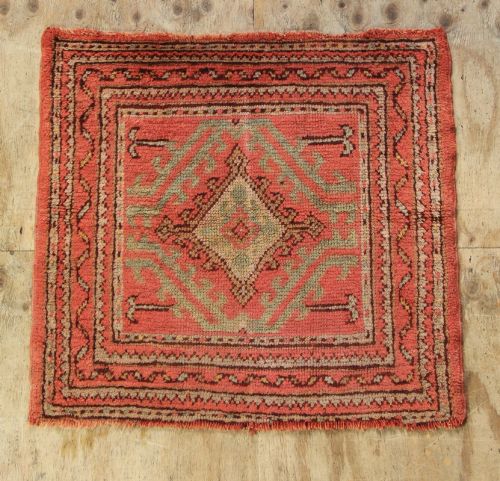


Anatolian Carpet Small
An anatolian carpet small brings centuries of village weaving tradition into modest domestic spaces through geometric medallions and rich prayer arches.
Anatolian Carpet Small
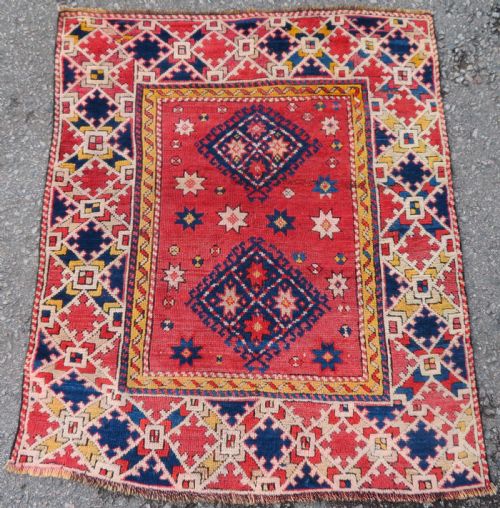
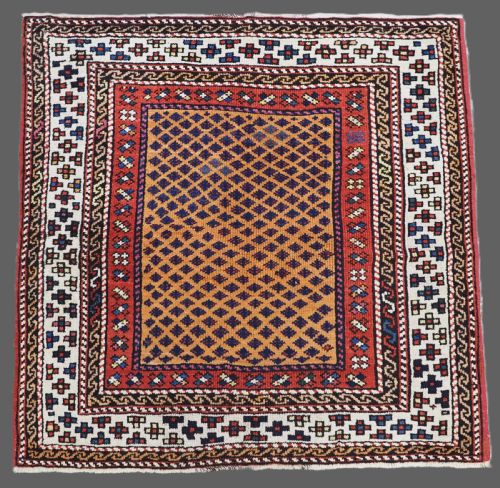
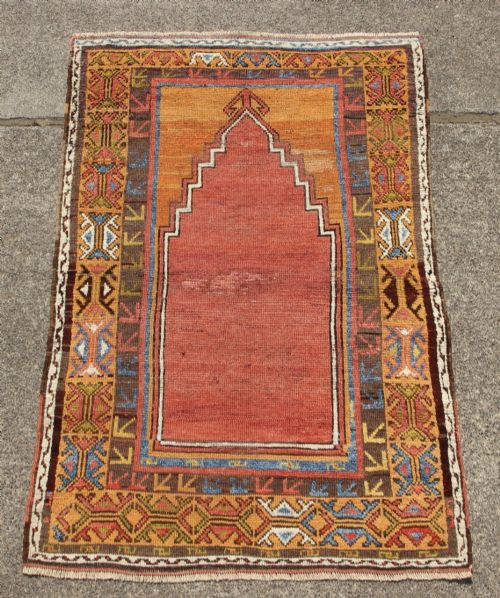
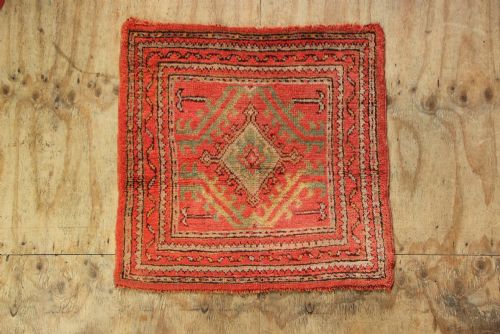
When searching for an anatolian carpet small, buyers encounter regional village and town weaving traditions spanning from the early nineteenth century into the twentieth century. These pieces appear in formats including square mats, rectangular mats, yastics, and compact prayer rugs bearing distinctive central mihrabs or star medallions.
The selection on this page demonstrates various Anatolian origins such as Bergama, Konya, Kirsehir, Oushak, Milas, and Yahyali. Each producing district imparted specific local motifs, colour palettes, and border designs onto wool foundations tailored for smaller domestic footprints.
Materials and construction
Weavers constructed these textiles primarily using wool and hand-spun wool for the pile, set upon sturdy cotton or wool foundations. Hand-spun yarn absorbs natural dyes unevenly over time, creating subtle tonal shifts across the surface.
The pieces rely on traditional hand-knotting techniques executed in village workshops and nomadic camps across Anatolia. Structural variations in the weave density reflect the specific regional origins of each weaver.
Listings span from the early nineteenth century through to nineteen thirty, incorporating materials such as cotton, wool, and hand-spun wool.
Judging quality in compact carpets
Quality separates along the precision of the geometric layout, the crispness of the tribal motifs, and the depth of the wool pile. Tighter knotting and careful symmetry in medallion or lattice patterns distinguish finer town pieces from simpler village work.
The condition of the wool and the vibrancy of the remaining pile dictate the overall integrity of the textile. Pieces retaining their original selvedges and complete border systems preserve their intended design balance.
The Anatolian Carpet Small Glossary
- Mihrab
- The arched niche design found on prayer rugs, which symbolises the direction of prayer. Weavers often position this architectural motif at one end of compact formats.
- Yastic
- A small wool cushion cover or short rug traditionally used for seating on low divans in Turkish homes. These formats offer remarkably condensed village designs.
- Medallion
- A central ornamental motif placed in the middle of the carpet field, frequently featuring geometric or star patterns. It anchors the symmetrical composition of the piece.
- Selvedge
- The finished side edges of a rug formed by wrapping warp threads to prevent fraying. Original selvedges indicate careful preservation.
- Warp
- The vertical foundation threads stretched lengthwise on the loom before knotting begins. Wool and cotton serve as the primary warp materials here.
Anatolian Carpet Small: Frequently Asked Questions
Where were these small carpets woven?
These textiles originate from various towns and villages across Anatolia, including regional centres such as Bergama, Konya, Kirsehir, and Oushak.
Each district developed distinct weaving characteristics that identify the geographic source of the piece.
How do I identify a prayer rug?
Prayer rugs feature a prominent architectural arch known as a mihrab at one end of the design field.
This motif points toward Mecca during prayer and distinguishes these specific devotional formats from medallion or all-over lattice carpets.
What is a yastic?
A yastic is a traditional small format originally utilised as a cushion face or divan cover in Turkish households.
Because of their restricted dimensions, they display condensed versions of larger tribal rug patterns.
How should I care for an antique wool rug?
Protect the textile by placing it in low-traffic areas away from direct sunlight to preserve the wool pile and natural dyes.
Regular gentle vacuuming without a beater bar maintains the cleanliness of the foundation.