





Anatolian Carpet 1900
An anatolian carpet 1900 brings regional village weaving traditions and distinct tribal designs into a room with genuine historical character.
Anatolian Carpet 1900
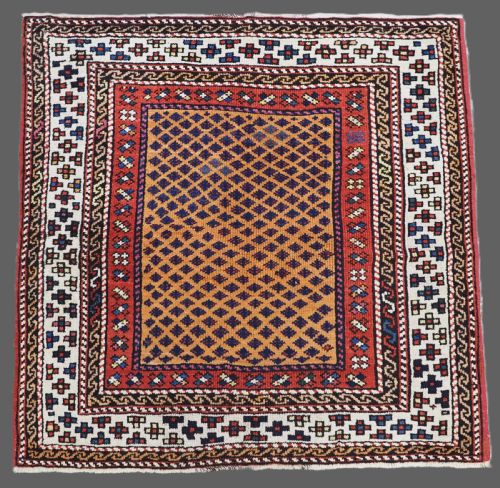
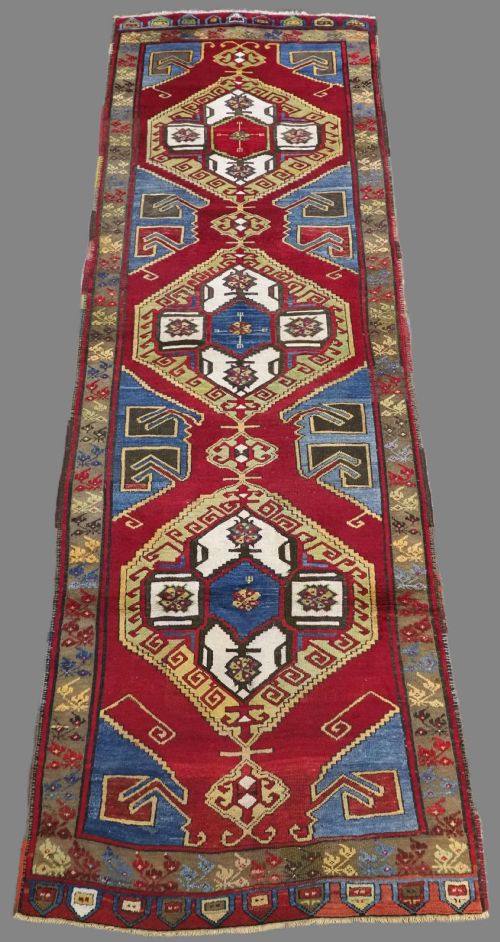
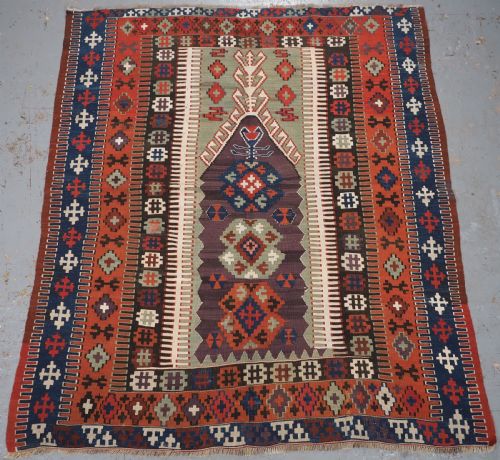
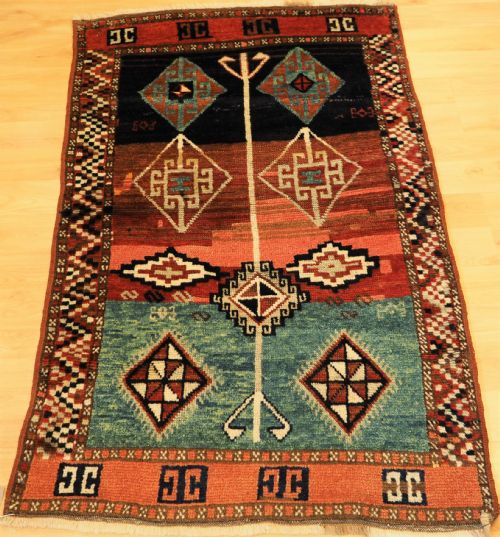
When you search for an anatolian carpet 1900, you are looking at handmade floor coverings originating from Turkey around the turn of the twentieth century. These pieces encompass rugs, runners, long rugs, and flatwoven kilims produced in distinct regional centres and villages.
The selections available include specific town and regional types such as Bergama, Konya, Oushak, Kula, Sivas, and Kayseri. Forms range from village prayer rugs with multiple niches to large carpets featuring classic medallions or lattice designs.
Most examples date strictly to nineteen hundred or nineteen ten, reflecting traditional Ottoman aesthetic influences mixed with local tribal motifs. Buyers encounter both piled wool constructions and flatwoven kilim structures woven in single or multiple parts.
How they were made
Weavers constructed these textiles primarily using wool, cotton, and occasionally silk foundations and piles. Artisans sourced local materials to spin durable yarns, resulting in soft wool textures particularly evident in pieces from regions like Cappadocia.
Dye masters utilised vegetable dyes to achieve the varied pastel colours, deep blues, and pink grounds recorded in the pieces. Workers knotted or flatwove the materials by hand, creating structured village carpets and fine regional prayer rugs.
The site listings feature materials including wool, cotton, silk, and vegetable dye across nineteenth and early twentieth century periods.
What varies in quality
The finesse of the weave separates standard village production from exceptionally fine regional workshops, as seen in denser knot counts and delicate silk execution. Material selection similarly divides rustic village output from superior urban or town craftsmanship.
Design clarity and the depth of vegetable dye palettes dictate visual distinction across the range. Pieces exhibiting well-defined medallion layouts, balanced proportions, and scarce ground colours represent the higher tier of surviving examples.
The Anatolian Carpet 1900 Glossary
- Kilim
- A flatwoven textile produced without a pile by tightly interweaving warp and weft threads. These pieces often feature geometric village designs and serve as functional floor coverings or wall hangings.
- Prayer rug
- A small rug featuring a mihrab or niche design intended to indicate the direction of prayer. These formats frequently appear in village and regional town productions from this period.
- Medallion
- A central ornamental motif placed in the field of a carpet or rug. Classic examples display symmetrical floral or geometric arrangements characteristic of traditional regional weaving.
- Warp
- The stationary vertical threads stretched on a loom upon which the knots and horizontal weft are built. Cotton and wool serve as the primary foundational materials for these structural threads.
- Weft
- The horizontal threads passed alternately over and under the warp threads to bind the knots or flatweave in place. This foundational element secures the structural integrity of the textile.
Anatolian Carpet 1900: Frequently Asked Questions
How do I clean an old carpet?
Professional gentle washing is recommended for antique wool and silk textiles to preserve the natural vegetable dyes. Regular careful vacuuming without a beater bar removes surface dust safely.
Avoid harsh chemical cleaners or excessive moisture which can damage the organic fibres and cotton foundations of these historical rugs.
Where were these rugs made?
These textiles were woven across various towns, villages, and regional centres in Anatolia, now modern Turkey. Specific production locations include Bergama, Oushak, Kula, Sivas, and Konya.
Each area developed distinct design vocabularies, colour palettes, and weaving techniques passed down through generations of local artisans.
Can I place one in a hallway?
Long rugs and runners work well in corridors or high-traffic areas if protected by an appropriate non-slip underlay. Wool constructions offer natural durability against daily foot traffic.
Ensure the rug lies flat and experiences even wear to maintain the structural condition of the antique pile or flatweave.
What is a saf rug?
A saf is a multi-niche prayer rug featuring several mihrab arches arranged in a continuous row. These unusual formats accommodated multiple worshippers simultaneously in traditional settings.
Such pieces represent specialised village or town workshop weaving rather than standard domestic floor coverings.