




Alabaster Base Sculpture
An alabaster base sculpture combines carved stone with metal figures to create substantial decorative centrepieces for the home.
Alabaster Base Sculpture
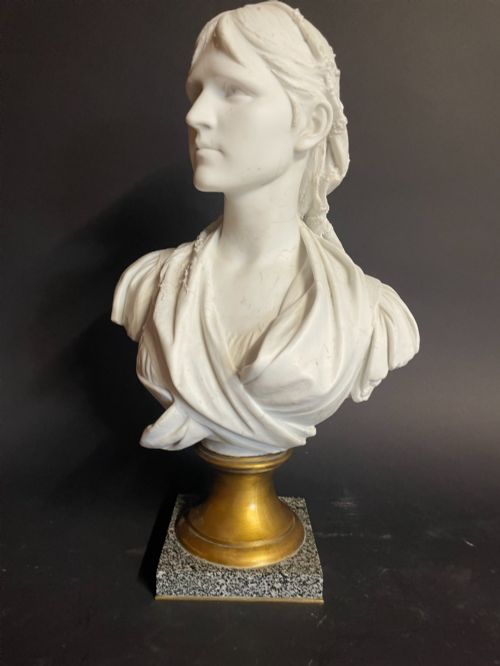
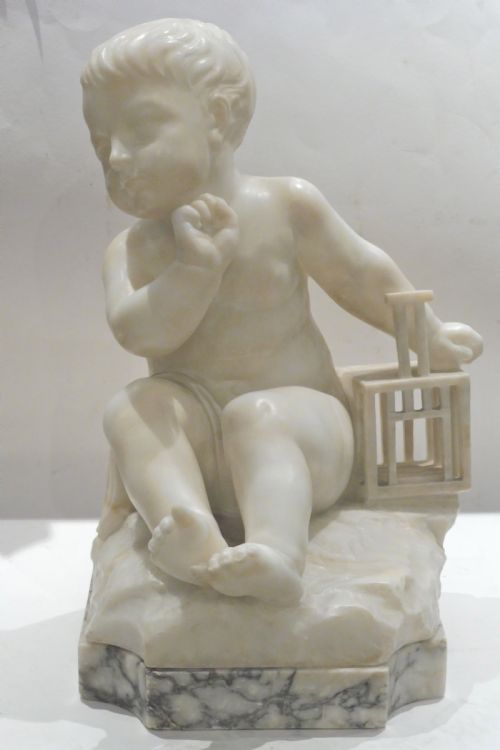
When you search for an alabaster base sculpture, you encounter figural works supported by heavy mineral plinths, most frequently seen in late nineteenth and early twentieth century examples. These objects range from classical busts and young girls to figural bookends and standing female models.
The versions you are most likely to meet on this page include Art Nouveau and Art Deco designs produced in continental workshops, particularly French and Italian pieces from the 1880s to the 1930s. They utilise contrasting materials, pairing white or tinted stone bases with metal figures cast in bronze or spelter.
Makers and sculptors of the period often signed their work, leaving a record in bronze or carved stone that points directly to European foundries and studios. Collectors find these pieces in various forms, from single portrait busts to paired bookends depicting classical ladies.
How they were made
The construction of an alabaster base sculpture involves combining carved mineral stone with metal casting techniques, predominantly utilising bronze and spelter for the figural elements. Artisans shaped the softer alabaster or marble to form the heavy foundations and plinths that anchor the standing or seated figures.
Foundries cast metal figures using traditional methods, sometimes applying a bronze finish to spelter to emulate solid metal work. The components were then secured together, with figures mounted firmly onto their stone bases using hidden pins or threaded rods.
Listings feature works spanning from the 1870s Victorian period through to Art Deco pieces from the 1930s.
What varies in quality
The distinction between tiers of work rests on the crispness of the metal casting and the fineness of the stone carving. Superior examples display sharply defined facial expressions and delicate drapery, whereas lower grades show softer contours from worn moulds or simpler carving.
Another factor is the choice of materials, where solid bronze and genuine carved alabaster command greater appreciation than spelter figures with a bronze finish set upon simpler marble or granite bases.
Emile Guillemin·George Van Der Straeten·Pugi
The Alabaster Base Sculpture Glossary
- Alabaster
- A fine-grained, translucent mineral stone used for carving statues, busts, and architectural details. It is softer than marble, giving sculptures a warm, waxy appearance.
- Spelter
- An alloy of zinc and other metals commonly used as a cost-effective substitute for bronze in nineteenth and twentieth century casting. It was frequently painted or given a bronze finish.
- Art Nouveau
- An international style of art and architecture prominent from the late nineteenth century to the First World War, characterised by flowing, organic lines and floral motifs.
- Art Deco
- A design style that developed in the 1920s and 1930s, featuring streamlined geometric forms, symmetry, and modern industrial materials.
- Plinth
- The heavy base or platform upon which a statue, bust, or sculpture rests to provide stability and visual elevation.
Alabaster Base Sculpture: Frequently Asked Questions
What is an alabaster base sculpture?
These works consist of figural sculptures mounted onto heavy stone plinths made from alabaster or marble.
They emerged primarily during the nineteenth and twentieth centuries as decorative art for domestic interiors.
How do I clean alabaster?
Alabaster is a soft and porous stone that absorbs moisture and dirt easily, so it requires gentle care.
Dust the surface dry with a soft cloth and avoid using water or chemical cleaning agents.
Are spelter figures valuable?
Spelter is a zinc alloy used as an affordable alternative to bronze during the nineteenth and twentieth centuries.
While less valuable than solid bronze, well-preserved spelter pieces from periods like Art Nouveau remain collectible.
How were these sculptures displayed?
Original owners placed these decorative pieces on mantelpieces, sideboards, and heavy wooden desks.
Some heavy pairs were specifically utilised as functional bookends to support volumes on library shelves.