





Antique Spelter Dancer
These antique spelter dancer figures and lamps capture the stylised movement of the Art Deco period, offering buyers distinct metalwork paired with marble and onyx bases.
Antique Spelter Dancer
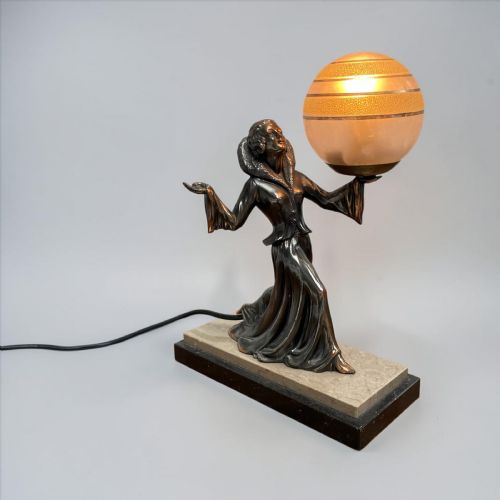
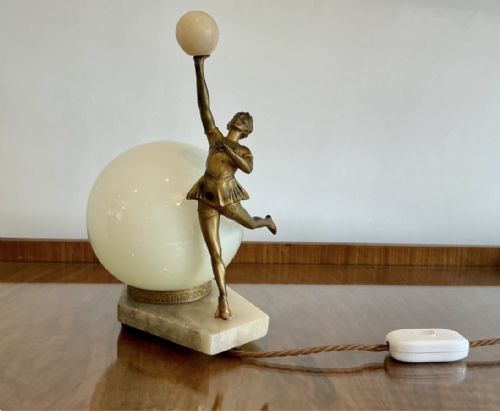
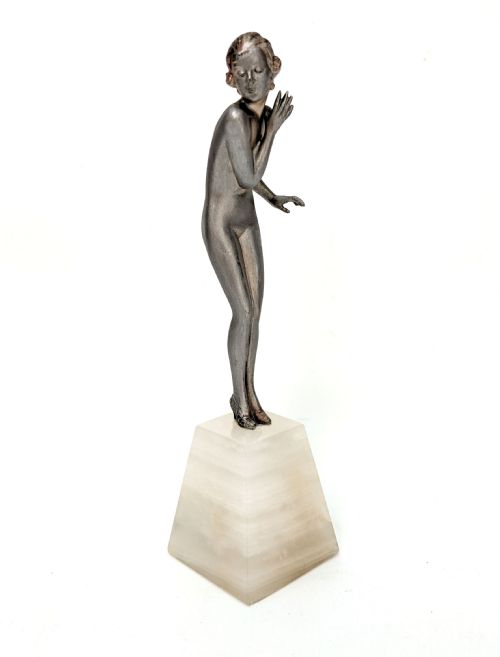
When you search for antique spelter dancer, you encounter figural sculptures and functional pieces such as table lamps and table lighters produced during the Art Deco era. The examples on this page date from the nineteen-twenties and nineteen-thirties, embodying the energetic design vocabulary of those decades.
You are most likely to meet single female figures captured mid-movement, sometimes accompanied by musicians or integrated into lighting fixtures. These pieces combine sculptural presence with the practical utility common to period mantle and table accessories.
How they were made
The primary material is spelter, an alloy typically based on zinc that allowed makers to cast intricate figurative details efficiently. These metal figures received patinated finishes to simulate bronze or other costlier metals.
Craftsmen mounted the spelter figures onto heavy supportive bases constructed from marble, onyx, or alabaster. Certain lighting variations incorporated glass and frosted glass components to complement the metallic bodies.
Several ladies double as table lighters, proving that nineteen-thirties smoking accessories possessed theatrical flair.
What varies in quality
Quality rests upon the crispness of the casting and the expressiveness of the figure's posture. Finer examples display sharp anatomical definition and well-preserved patination across the spelter surface.
The choice and execution of the base material distinguish finer pieces, particularly where substantial pieces of polished marble or onyx anchor the metal sculpture securely.
Josef Lorenzl
The Antique Spelter Dancer Glossary
- Spelter
- A zinc alloy commonly utilised as a cost-effective substitute for bronze in decorative figures. It accepts patination readily to mimic older metallic finishes.
- Patinated Metal
- Metal treated with chemicals or paint to create a specific surface colour and aged appearance. This finish defines the visual character of the dancer sculptures.
- Art Deco
- A design style spanning the nineteen-twenties and nineteen-thirties characterised by stylised geometric forms and streamlined shapes. It provides the aesthetic framework for these figures.
- Table Lighter
- A functional desktop accessory integrated into figural compositions during the period. These objects combined utility with decorative sculpture.
Antique Spelter Dancer: Frequently Asked Questions
How do I date these pieces?
Dating relies on stylistic markers from the Art Deco period, specifically the clothing, hair, and geometric forms typical of the nineteen-twenties and nineteen-thirties. Supporting materials like marble bases also reflect manufacturing standards of those decades.
Examining the construction methods and mounting screws offers further clues regarding the production period.
Were these lamps originally electrified?
Many lighting pieces from this era were manufactured or later adapted for electricity to serve as functional table lamps. Wiring methods often help distinguish original period fittings from later replacements.
Buyers should inspect internal components for safety while noting the integration of the figure into the lamp design.
How should I clean them?
Careful dusting with a soft, dry cloth is recommended to preserve the delicate patinated surface of the metal. Avoid liquid cleaners or harsh chemicals that can strip the original finish.
Marble and onyx bases can be wiped gently with a slightly damp cloth before drying immediately.