


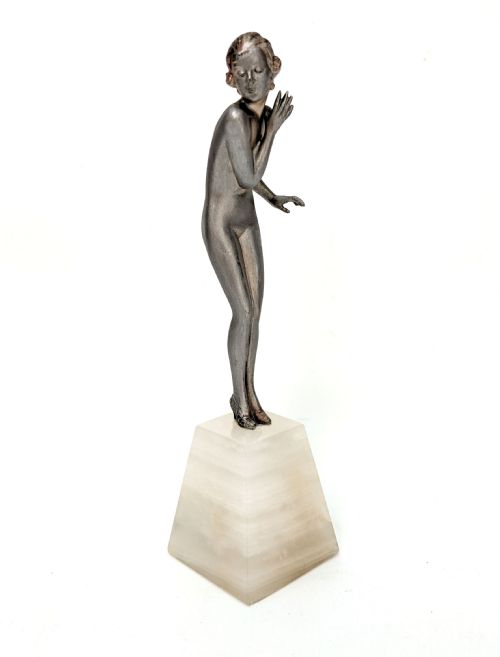


1930s Female Statuette
These 1930s female statuette pieces capture the distinct energy of Art Deco design, offering collectors striking bronze, spelter, and glass figures for the home.
1930s Female Statuette
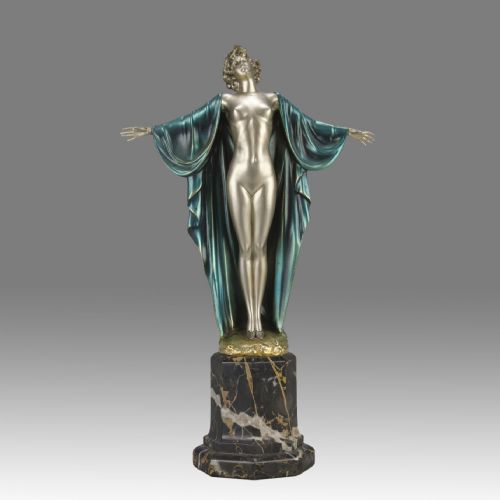
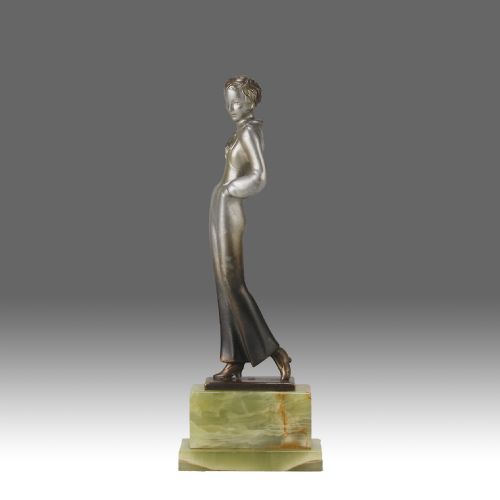
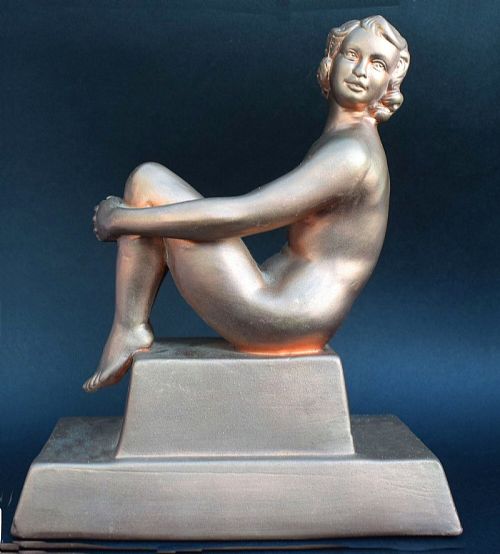
A 1930s female statuette embodies the sculptural aesthetics of the Art Deco period, typically depicting dancers, nudes, and figurative ladies. These objects appear as standalone sculptures, figurines, or functional table lamps designed to sit upon marble, onyx, or alabaster bases.
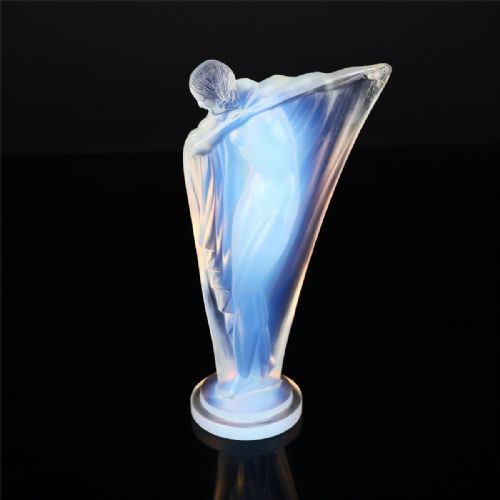
Most examples originate from French workshops and major European foundries, reflecting the modernist tastes of the 1920s and 1930s. Buyers will frequently encounter cast spelter and bronze castings alongside luminous opalescent glass figures.
The subjects range from allegorical representations like 'Spring Awakening' to dynamic dancers and bathers. Every piece captures a specific attitude of grace and motion characteristic of the interwar years.
Materials and construction methods
Foundries produced these sculptures using traditional casting methods for bronze, cold painting, and gilt finishing. Spelter served as a popular, more affordable alternative to bronze, often receiving patinated metal or chrome finishes.
Glassworks utilised pressed and opalescent techniques to form luminous figures like those by Etling and Sabino. Sculptors mounted their metal and glass creations securely onto heavy bases of marble, onyx, or alabaster to ensure stability.
Listings feature works executed in bronze, spelter, marble, onyx, and opalescent glass across the Art Deco period.
Distinctions in quality and execution
Base selection also indicates tier; dense, beautifully veined marble or custom onyx plinths elevate a sculpture compared to basic mounting. The reputation of the designer and the execution of the patina dictate the standing of an individual statuette.
Ferdinand Preiss·Josef Lorenzl·Lucille Sevin·Rene Andre Varnier·Royal Dux·Marius Ernest Sabino·Demetre Chiparus
The 1930s Female Statuette Glossary
- Art Deco
- A design style spanning the 1920s and 1930s characterised by sleek lines, stylised forms, and modern industrial materials. It influences the geometry and posture of nearly all figures from this era.
- Spelter
- A zinc-based alloy commonly utilised as a less costly substitute for bronze in interwar European manufacturing. Makers typically applied patinated metal finishes to imitate solid bronze.
- Opalescent glass
- A type of glass that displays milky, milky-blue, or fire-like colour refractions when light passes through it. French glassmakers favoured this technique for translucent figurative statuary.
- Cold painted
- A method where paint is applied to a metal sculpture after casting without subsequent firing. This technique allowed for vivid polychrome details on bronze garments and hair.
- Patinated metal
- A chemically induced surface treatment applied to bronze or spelter to alter its colour and simulate age. It protects the underlying metal while enhancing shadow and depth.
1930s Female Statuette: Frequently Asked Questions
How do I identify a spelter figure from bronze?
Spelter is a softer zinc alloy that feels lighter and shows a dull grey metal beneath chips in the finish. Bronze is heavier, denser, and reveals a warm golden-brown tone when exposed.
Foundries often stamped bronze pieces with foundry marks or signatures from artists like Josef Lorenzl or Ferdinand Preiss, whereas spelter versions usually relied on simpler patinated metal coats.
Where were most of these statuettes made?
France and central Europe served as the primary production hubs for these decorative figures during the interwar years. Parisian studios and major glassworks drove the aesthetic trends.
French artists created numerous opalescent glass and bronze sculptures, exporting them widely to collectors who favoured the modern aesthetic.
How should I display a glass statuette?
Glass figures, such as those by Sabino or Etling, benefit from placement near a light source to activate their opalescent qualities. Placing them on a stable shelf or cabinet protects them from accidental knocks.
Avoid direct, intense heat and clean them gently with a dry or barely damp microfiber cloth to preserve the surface.
What is the difference between a statue and a figural lamp?
Statues and figurines are purely sculptural objects designed for visual contemplation on desks, mantelpieces, or pedestals. Figural lamps integrate electrical fittings and glass shades to provide functional illumination while retaining the female form as the central motif.
Both formats utilise similar base materials like marble, onyx, or alabaster to anchor the weight of the metal or glass.