





1930s Art Deco Ornaments
1930s art deco ornaments bring kinetic energy and geometric polish to a room, capturing the spirit of the interwar period.
1930s Art Deco Ornaments
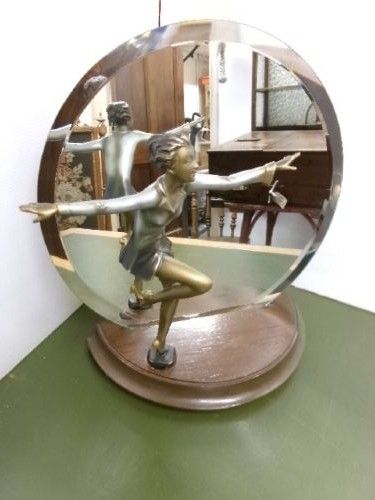
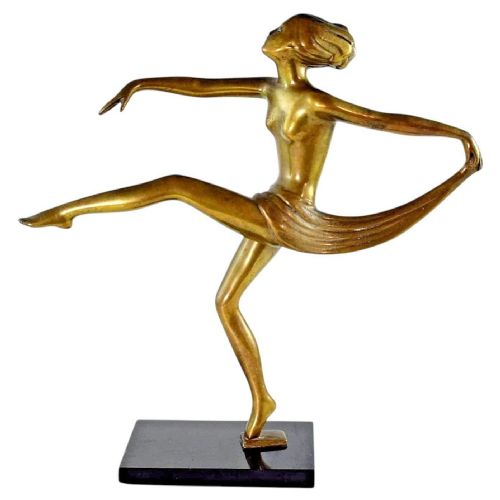
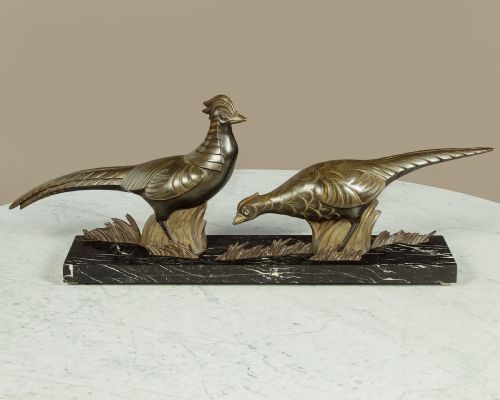
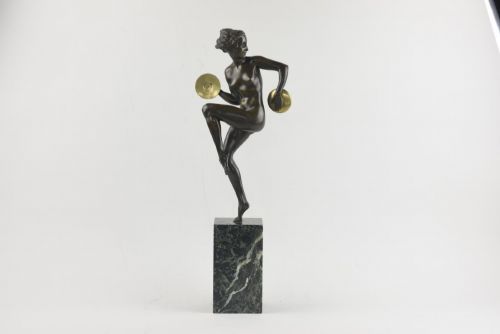
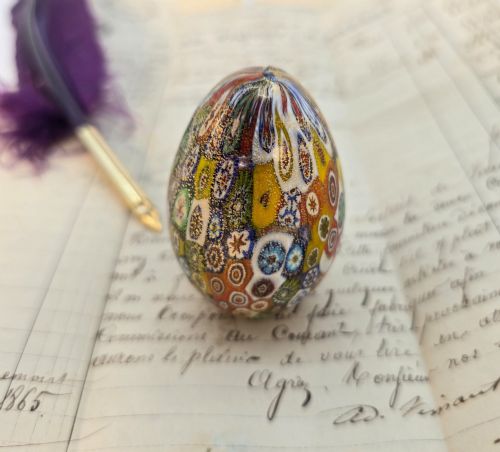
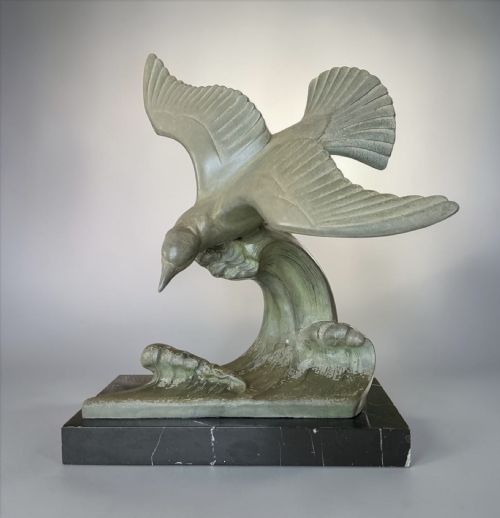
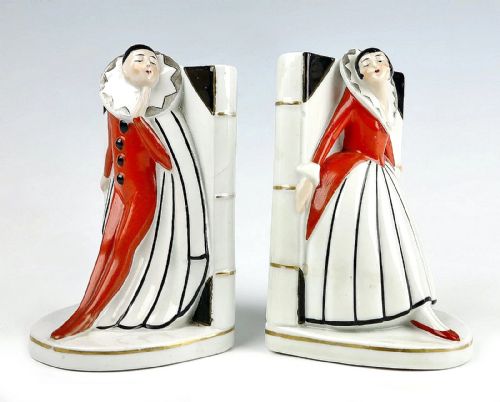
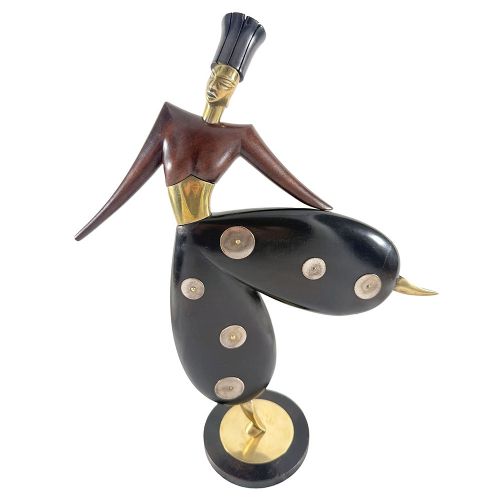
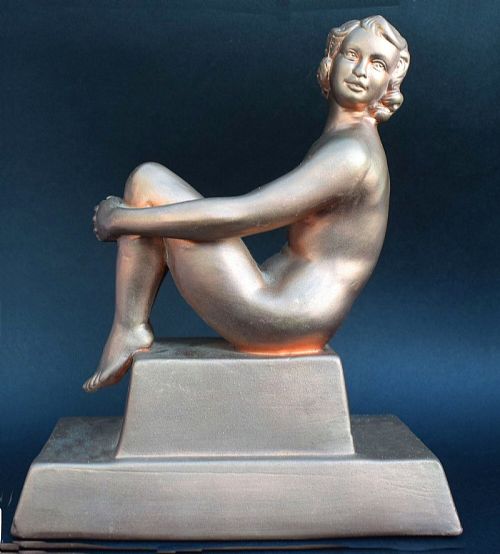
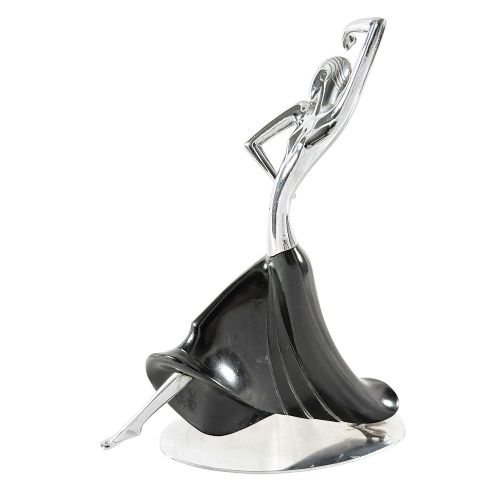
These pieces are tangible expressions of 1930s art deco ornaments, spanning desk ornaments, figurines, bookends, and paperweights created during a period defined by speed and modernism. The selection centres on figurative sculptures of dancers and animals, alongside functional items that double as display pieces.
Buyers meet works cast in bronze and spelter, often mounted on marble bases, as well as moulded opalescent glass and ceramic figures from French, German, and British studios. Female dancers and wildlife forms dominate the types available.
The objects reflect a design language that celebrated sleek lines, stylised anatomy, and contemporary materials, translating the glamour of the era into domestic scales.
How they were made
Metals such as bronze and spelter were cast and finished with patination, silver plating, or chrome, frequently paired with contrasting marble plinths to provide stability and visual weight. Spelter pieces commonly received painted highlights to simulate richer metals.
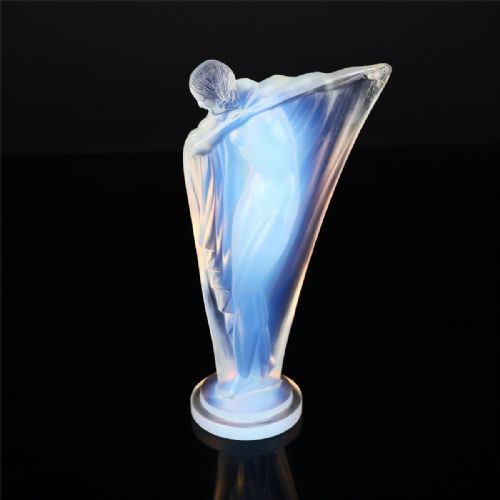
Glass objects relied on mould-blowing and deep etching techniques, yielding opalescent and clear surfaces that manipulated light across tactile reliefs. Ceramics combined slip-casting with hand-painted glazes and gilded accents.
Wood and brass elements were turned and joined to create tall, stylised figures that emphasised verticality and clean geometric silhouettes.
Listings feature materials spanning bronze, spelter, marble, onyx, glass, porcelain, and wood across periods from the 1920s to the 1940s.
What varies in quality
In glass and ceramics, the depth of the mould strike and the control applied during glazing or acid-etching determine the clarity and definition of the design. The choice of base material, such as genuine heavy marble rather than substitute compositions, also indicates the tier of production.
Josef Lorenzl·Aurore Onu·Jean Luce·Lucille Sevin·P. Sega·Rene Lalique·Mabel Lucie Attwell·Demetre Chiparus
The 1930s Art Deco Ornaments Glossary
- Spelter
- A zinc alloy commonly used as an economical alternative to bronze in decorative figures. It accepts patination and paint readily, though it is softer and lighter than bronze.
- Chryselephantine
- A term describing statues made from a combination of bronze and ivory. Artists utilised this method to render realistic flesh tones alongside metallic garments.
- Opalescent glass
- Glass that diffuses light and displays milky, iridescent colour shifts. It was heavily utilised by glassmakers to accentuate moulded sculptural reliefs.
- Patina
- The surface sheen or colour resulting from age or chemical treatment on metal. A controlled patina enhances the perceived depth and contours of a sculpture.
1930s Art Deco Ornaments: Frequently Asked Questions
Were these objects purely decorative?
Many items served practical functions alongside their decorative roles, acting as bookends, paperweights, ashtrays, or desk ornaments. These dual-purpose pieces allowed owners to integrate modern design into everyday spaces.
Other sculptures remained strictly ornamental, designed for display on mantelpieces, cabinets, or dedicated pedestals within the home.
How do I distinguish spelter from bronze?
Spelter is significantly lighter than bronze and feels softer or more brittle upon close inspection. Tapping the metal yields a duller sound compared to the resonant ring of bronze.
Where the surface paint or patination has chipped on spelter, a greyish or silvery base metal usually appears underneath, whereas bronze reveals a warm golden-brown alloy.
Where should I display glass pieces?
Place glass objects near natural light sources or on illuminated shelving to fully appreciate their opalescent qualities and etched details. Direct midday sun should be avoided to prevent thermal shock or fading of surrounding surfaces.
Ensure they rest on stable, vibration-free shelves where they remain safe from accidental knocks.