




Vintage Decorative Bookends
These vintage decorative bookends combine sculptural form with utility, bringing character and substance to a library shelf.
Vintage Decorative Bookends
When you search for vintage decorative bookends, you find sculptural pairs designed to support rows of books whilst doubling as decorative objects for the room. The selection spans the nineteenth century through the Art Deco era of the 1930s.
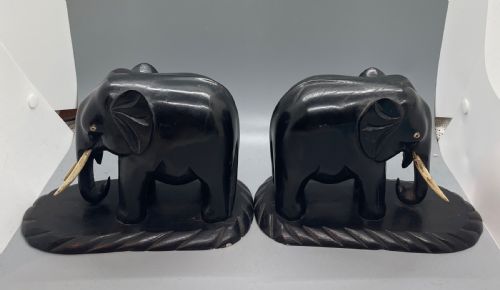
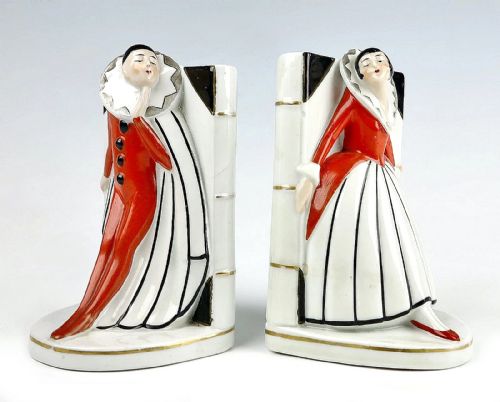
The most common forms on this page include animal subjects such as elephants, owls, squirrels, and sea lions, alongside human figures and architectural motifs. Pieces range from grand Victorian examples to sleek Art Deco designs.
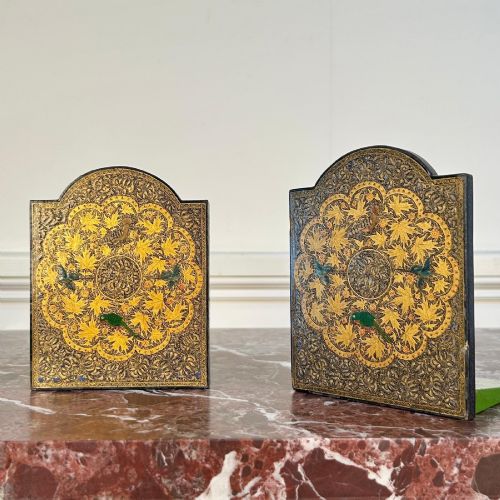
Origins vary widely across the inventory, encompassing English, French, Indian, and Kashmiri workshops. Buyers encounter both functional bookends and related book slides designed to hold volumes upright.
How they were made
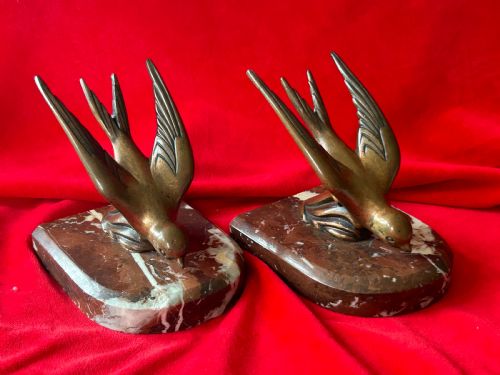
Makers utilised cast metals such as bronze, spelter, cast iron, and brass, often mounting figures onto heavy marble bases to provide the necessary weight for holding books. These metal components were shaped through casting and sometimes finished with enamel.
Carved hardwoods, including ebony and beech, appear frequently, alongside bone and ceramic elements. Artisans employed detailed hand-carving and penwork techniques, particularly in Anglo-Indian, Kashmiri, and Chinoiserie pieces.
Vintage Decorative Bookends Retail Price Guide 2026
Typical asking prices for vintage decorative bookends among the pieces listed under this phrase on Sellingantiques today, from the lower quarter to the upper quarter. They describe what is for sale here now, not the wider market.
Listings feature materials spanning marble, brass, ebony, hardwood, bone, enamel, spelter, and bronze across multiple centuries.
What varies in quality
The sophistication of the design sets superior examples apart, particularly in matched pairs where symmetry and balance are carefully maintained. Original patination and surface finishes preserved over decades elevate the standing of an item.
C Omin·Compton Potters Art Guild
The Vintage Decorative Bookends Glossary
- Spelter
- A zinc alloy commonly used as a substitute for bronze in decorative metalwork. It takes fine detail well and is usually painted or bronzed to resemble heavier metal.
- Book slide
- An extendable desk accessory designed to hold a varying number of books upright between two adjustable ends. It serves a similar function to fixed bookends.
- Chinoiserie
- A European artistic style reflecting Chinese motifs and techniques. It appears on carved wooden pieces with intricate surface decoration.
- Anglo-Indian
- Descriptive of furniture and decorative objects made in India during the British period for both local and export markets. These items often feature dense native hardwoods and traditional carving.
- Patina
- The surface sheen and colour acquired by materials through age, handling, and use. A good patina indicates untouched historical surfaces.
Vintage Decorative Bookends: Frequently Asked Questions
How heavy are vintage bookends?
Many vintage bookends incorporate heavy materials like marble, bronze, or cast iron specifically to anchor and support standard rows of heavy books without sliding.
Lighter wooden or ceramic pairs rely on the combined weight of the base and the initial volumes placed against them to remain stable.
Are these bookends sold as pairs?
The vast majority of bookends in this inventory are offered as matched pairs designed to balance each other at either end of a shelf.
Occasional single book slides or sculptural pieces also appear, serving the same functional purpose for smaller collections of volumes.
How do I date a pair of bookends?
Dating relies on identifying the prevailing artistic style, such as Art Deco geometric lines from the 1930s or ornate Victorian carving from the nineteenth century.
Materials and manufacturing techniques, such as early spelter casting or traditional Anglo-Indian woodwork, further help narrow the period of origin.
Where should I place decorative bookends?
These bookends suit prominent placement on open bookshelves, mantelpieces, or heavy wooden desks where their sculptural qualities can be fully appreciated.
Pair them with hardback volumes that complement the height and weight of the specific metal or wooden figures.