






Afshar Kerman Wool Weaving
Afshar kerman wool weaving brings enduring tribal character into a room through dense wool and striking geometric motifs.
Afshar Kerman Wool Weaving
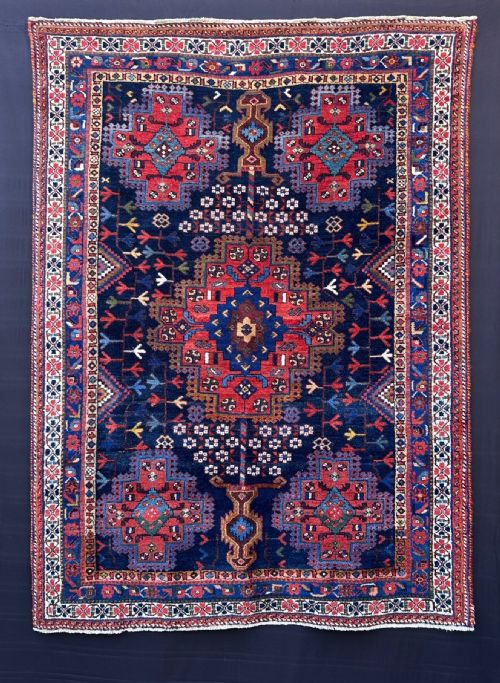
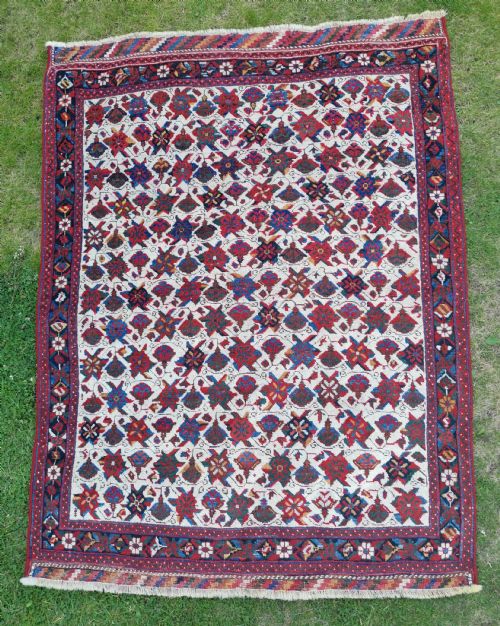
When you search for afshar kerman wool weaving, you enter the distinct textile world of nomadic and village groups working across the Kerman province of South Persia. These pieces span the later nineteenth century through the early decades of the twentieth century, capturing a period when tribal weavers produced textiles primarily for daily domestic use.
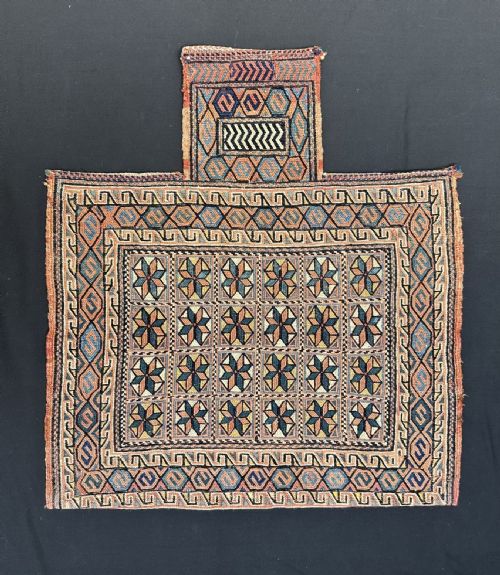
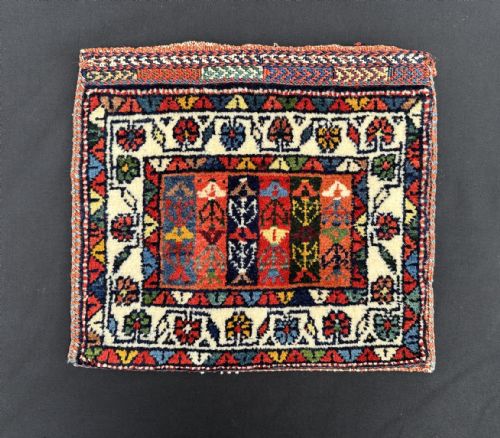
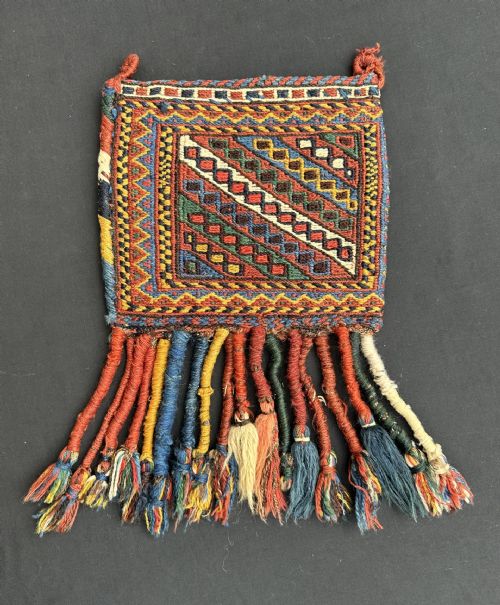
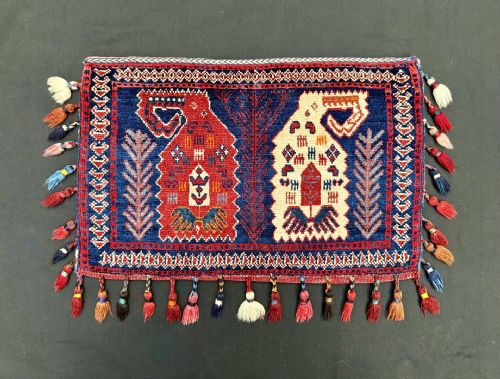
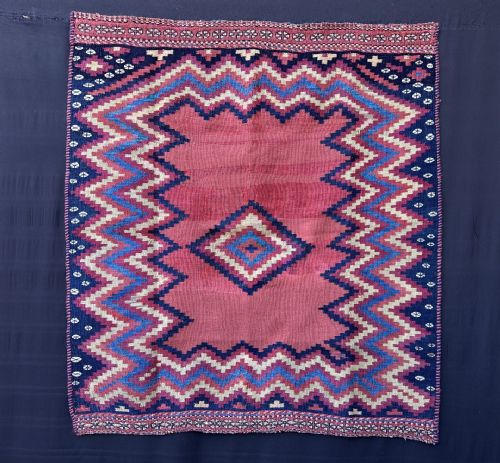
The inventory on this page ranges from floor rugs and flatweave sofreh dining cloths to smaller utilitarian forms such as vanity bags, tobacco pouches, salt bags, and saddlebag faces. Each format reflects the practical needs of the Afshar nomads and regional tribes, including specific subgroups like the Kuhi Afshars and the Qorab'i tribe.
Geographical origins within the evidence frequently point toward specific localities such as the Neiriz region, the Bardsir area, the Jebal Barez mountains, and Aqta'. These pieces showcase the rich heritage of Persian tribal and south Persian tribal styles, often integrating traditional motifs passed down through generations.
Assessing quality and execution
Quality in these tribal textiles rests upon the density of the weave and the precision of the geometric or pictorial layout. Finer examples, such as designated personal bags or detailed nomadic rugs, display exceptional crispness in their pattern work and tighter knot counts.
The handling of natural dyes also dictates the visual success of a piece, separating standard utility items from masterworks with vibrant, well-balanced palettes. Material integrity, structural tightness in flatweaves, and the preservation of original edges and tribal adornments further define the upper tier of the selection.
Materials documented across the selection include wool, cotton, natural dyes, and decorative cowrie shells.
The Afshar Kerman Wool Weaving Glossary
- Sofreh
- A flatweave cloth utilised for dining, food preparation, or bread making among nomadic groups. These textiles often feature minimalist field designs bounded by tribal borders.
- Soumak
- A flatweaving technique that wraps supplementaryweft threads over the warp to create a durable, textured surface. This method produces sturdy bags and rugs without a traditional cut pile.
- Chanteh
- A small personal bag or vanity pouch woven by tribal makers for carrying small possessions. They are prized for concentrated designs executed in miniature scale.
- Neiriz
- A specific weaving centre and region known for producing distinctive Afshar carpets and rugs. Pieces from this area often exhibit recognisable palette choices and medallion structures.
- Bardsir
- A southern Persian district associated with traditional Afshar nomadic production. Items originating here display regional motifs shared among local tribal factions.
Afshar Kerman Wool Weaving: Frequently Asked Questions
What is a sofreh used for?
A sofreh serves as a spread or cloth placed on the ground for eating, kneading bread, or serving communal meals within nomadic households.
These flatweave or textile pieces double as decorative wall hangings or display items due to their striking geometric compositions.
How do I care for an antique tribal bag?
Keep textile bags out of direct sunlight to protect natural wool fibres and organic dyes from fading over time.
Vacuum gently with a mesh screen covering the attachment or shake out accumulated dust rather than employing harsh chemical cleaning methods.
Where were Afshar textiles made?
The pieces originate primarily from the Kerman province in South Persia, created by nomadic and village tribes.
Specific localities within the province include the Bardsir region, Neiriz, and the Jebal Barez mountain range.
How do I identify a salt bag?
Salt bags feature specialised narrow necks or tapered shapes designed for storing rock salt while travelling or inside a tent.
They often incorporate sturdy hanging loops and dense weaving to prevent mineral leakage during daily nomad transport.