



African Tribal Sculpture
African tribal sculpture spans centuries of carved figures, masks and bronze castings created across regions like Nigeria, Gabon and the Ivory Coast.
African Tribal Sculpture
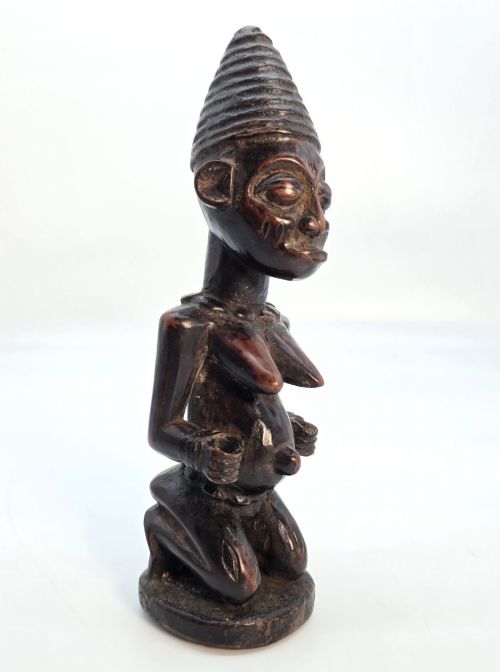
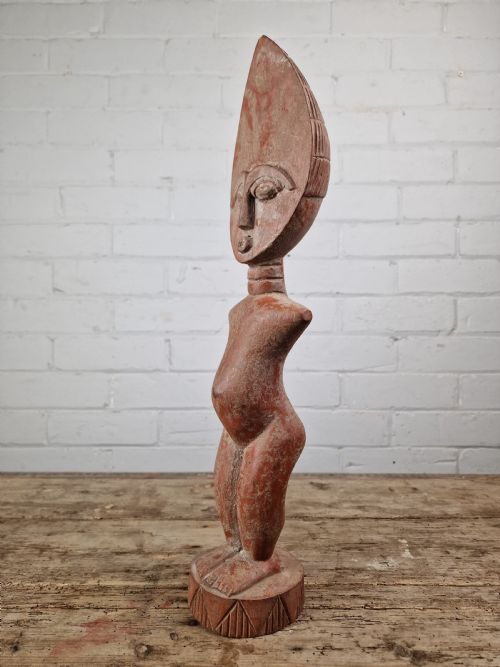
African tribal sculpture encompasses a wide array of ritual objects, ceremonial masks, and figures originating from diverse cultural groups such as the Yoruba, Edo, and Baule. These pieces emerge from periods ranging through the nineteenth and twentieth centuries, capturing traditional artistry and cultural heritage.
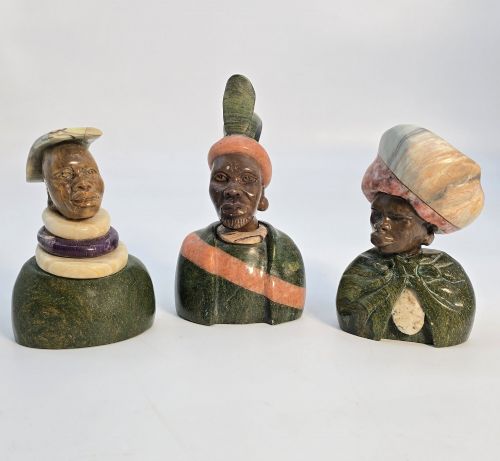
Buyers encountering this selection will frequently find carved wooden fertility figures, bronze portrait busts, and painted wooden masks from West and Central Africa. Forms vary from small personal amulets to large statues, reflecting the multifaceted functions these objects held within their societies.
The material evidence demonstrates significant breadth, moving from carved hardwood and bone to cast bronze and brass. Objects often display traces of pigment and natural wear, pointing to actual use in ceremonies, rituals, or daily life.

How they were made
Metalworks relied on traditional casting techniques, particularly the lost-wax method, to produce durable bronze and brass busts, staffs, and warrior statues. This method allowed artisans in regions like Benin and Yorubaland to achieve intricate surface patterns and substantial weights.
African Tribal Sculpture Retail Price Guide 2026
Typical asking prices for african tribal sculpture among the pieces listed under this phrase on Sellingantiques today, from the lower quarter to the upper quarter. They describe what is for sale here now, not the wider market.
A nineteenth-century warthog mask shares space with a bone and wood pipe, proving daily life and ritual went hand in hand.
What varies in quality
Quality rests in the precision of the carver's hand and the depth of expression within the mask or figure. Pieces attributed to specific regional traditions or recognised makers display superior anatomical balance and confident detailing.
Surface condition and natural patination significantly influence the standing of an item. Objects showing authentic wear from ceremonial use and well-preserved pigment or metal finishes hold greater visual and historical coherence.
Abegunde of Ede·Yoruba People·Benin Kingdom·Bamileke People·Fang People
The African Tribal Sculpture Glossary
- Patina
- The surface sheen and colour developed through handling, age, and exposure over time. A good patina indicates genuine historic use and careful preservation.
- Janus figure
- A sculptural representation with two faces looking in opposite directions. This form often appears in ceremonial bronze and wooden objects.
- Lost-wax casting
- A metalworking process where a molten metal is poured into a mould that has been created by means of a wax model. It accounts for the intricate detail found in bronze statues.
- Reliquary guardian
- A carved figure or head placed upon or near a container holding ancestral relics. These pieces protect the sacred contents within traditional practices.
- Friction oracle
- A divinatory device involving rubbed wooden parts used by spiritual practitioners. They interpret answers based on the resistance felt during use.
African Tribal Sculpture: Frequently Asked Questions
How were these sculptures used?
Many of these pieces served active roles in rituals, ceremonies, and daily governance within their respective communities. Figures, masks, and staffs were utilised to honour ancestors, mark status, or assist in divination.
Other items fulfilled practical or decorative functions, including headrests, ceremonial spoons, and architectural panels. Each object carried specific cultural meanings tailored to the traditions of groups such as the Yoruba, Kuba, or Baga.
How do I care for wooden tribal art?
Keep wooden sculptures and masks away from direct sunlight and sudden shifts in temperature or humidity. Stable indoor environments prevent the wood from drying out or splitting over time.
Dust the pieces gently with a soft, dry brush without applying modern oils, polishes, or cleaning agents. Preserving the natural surface and historic patina maintains the integrity of the material.
How can I tell different tribal regions apart?
Regional styles emerge through distinct sculptural conventions, facial proportions, and specific motifs associated with particular cultural groups. For instance, works from the Benin Kingdom frequently utilise cast bronze, while Baule and Punu masks exhibit characteristic facial scarification and balanced symmetry.
Examining the choice of wood, metal composition, and carving techniques helps narrow down the geographic origin. Comparing known regional forms provides a reliable path to identification.
What does a good patina look like?
An authentic patina exhibits a rich, gradual accumulation of surface character formed through years of handling, ritual application, and environmental exposure. It often shows subtle variations in texture and tone across the wood or metal.
Avoid pieces with overly uniform or artificially distressed surfaces that lack natural depth. Genuine wear tells the visual story of the object's history.