


Aesthetic Movement Shelf
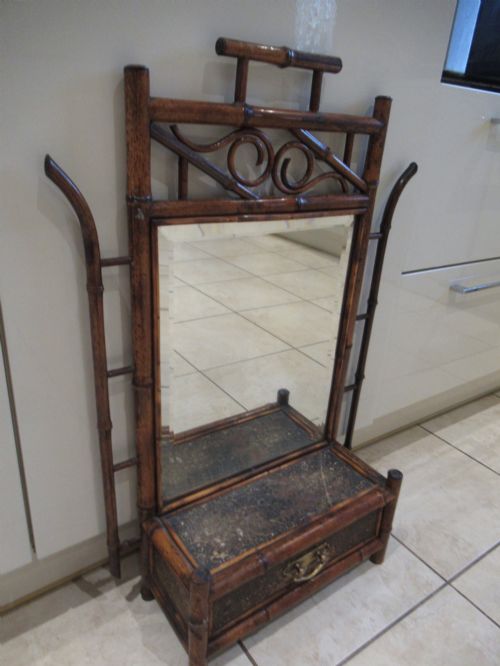
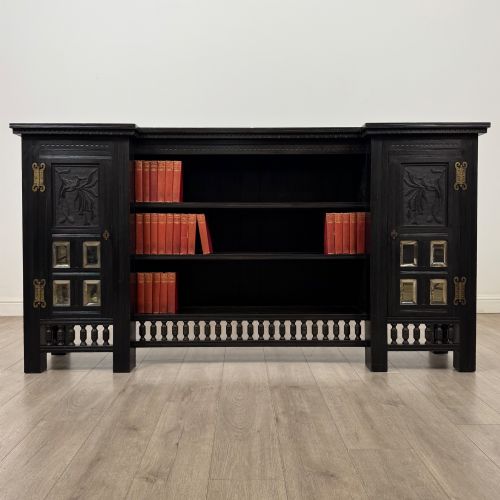
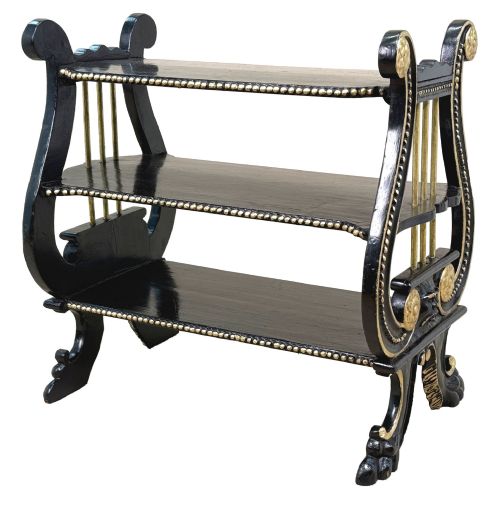
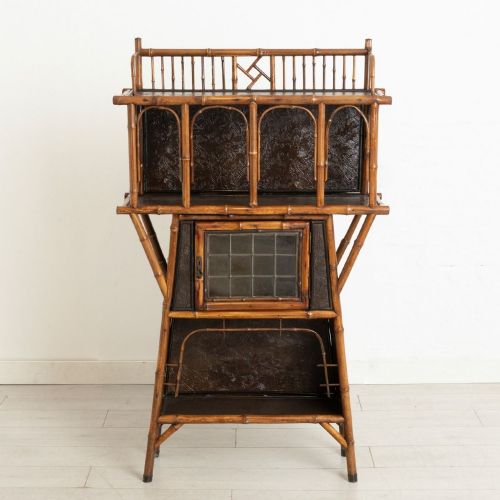
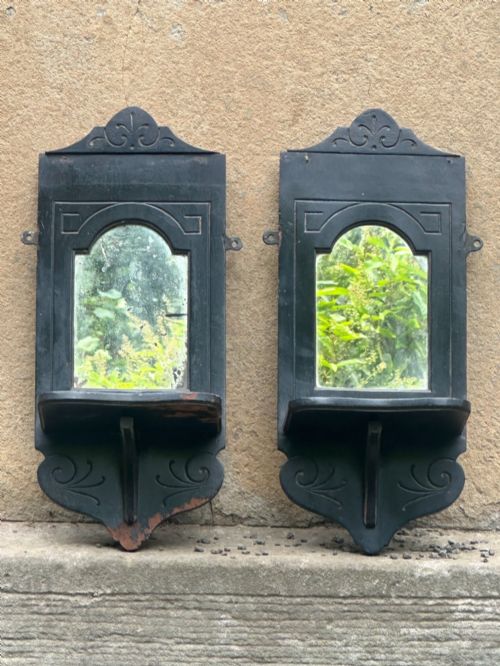
When you search for an aesthetic movement shelf, you seek decorative wall and display furniture from the Victorian era crafted in ebonised wood or bamboo.
Aesthetic Movement Shelf
An aesthetic movement shelf encompasses wall cabinets, corner shelves, and etagères created during the late nineteenth century. These pieces reflect a distinct shift away from heavy Victorian orthodoxy towards lighter, art-focused interior decoration.
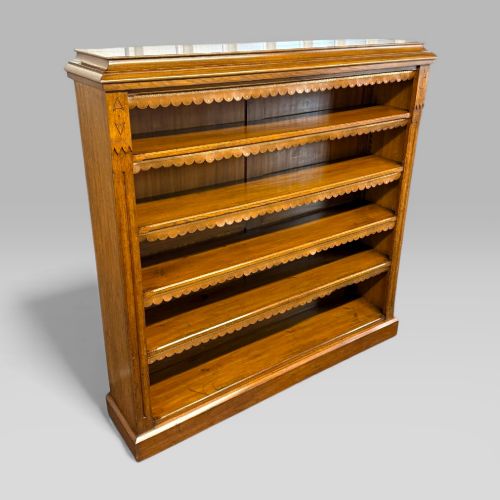
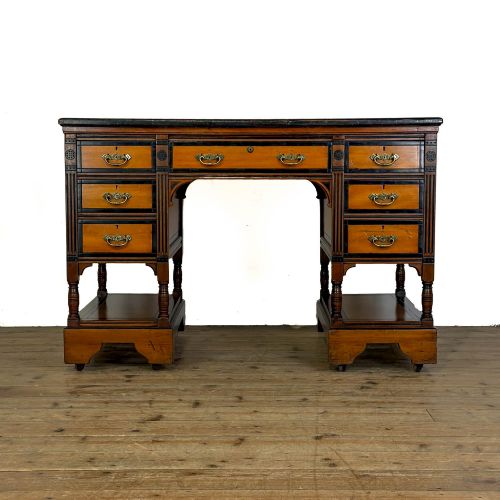
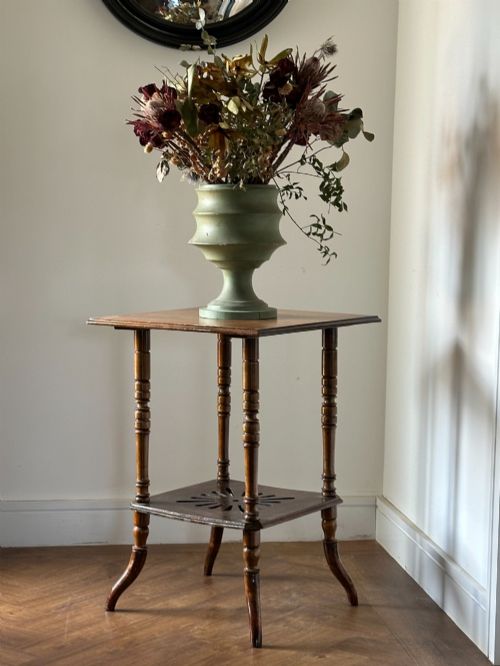
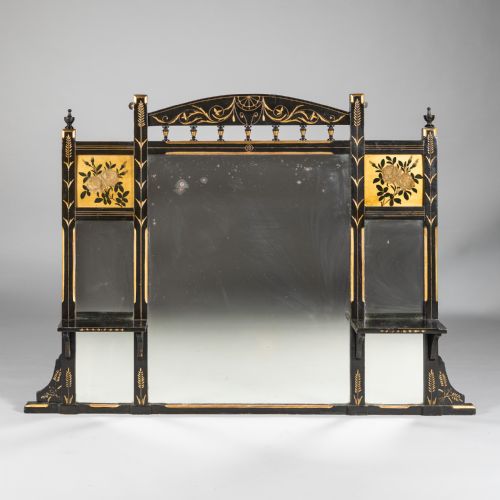
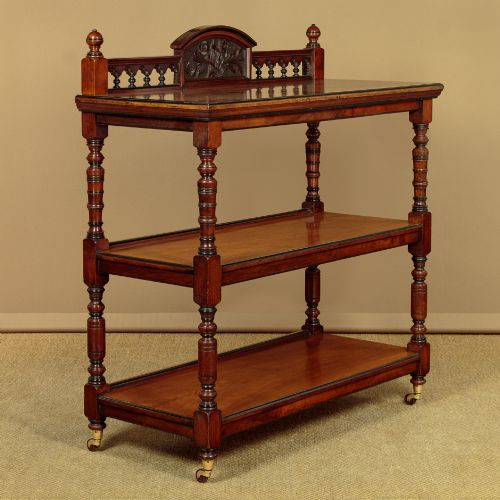
The items you encounter on this page span the 1870s to the early 1900s, crossing periods from the late Victorian era into Edwardian times. Forms range from simple bamboo brackets to ebonised display cabinets and carved mahogany overmantels.
Many examples incorporate surfaces for displaying ceramics or small ornaments, aligning with the period desire for artful domestic interiors. Walnut, oak, and ebonised woods provide the foundational structure for these decorative household fixtures.
How they were made
Maker workshops utilised contrasting materials such as ebonised wood combined with parcel gilding to create sharp visual lines. Bamboo and lacquered surfaces also appear frequently, often paired with brass hardware or leather inserts.
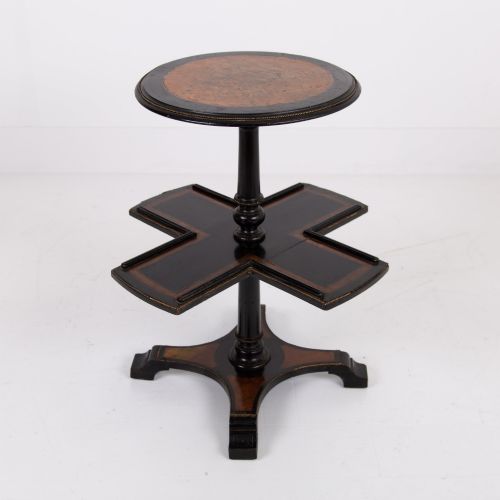
Joinery techniques matched the functional demands of wall-hanging display units and freestanding occasional tables. Carved mahogany and walnut frames frequently support mirrored glass panels or open shelving tiers.
Materials documented in the inventory range from walnut and satinwood to lacquered surfaces and leather accents.
What varies in quality
Quality separates standard mass-produced items from pieces bearing attribution to notable makers or specific retail houses. The refinement of parcel gilding, surface ebonising, and structural joinery dictates the tier of craftsmanship.
Material selection further distinguishes the range, with dense hardwoods and carefully cured bamboo representing superior execution compared to simpler utility items. The integration of decorative elements like beveled mirror glass elevates the piece.
Liberty and Co·John Moyr Smith·Lambs of Manchester·Gillows
The Aesthetic Movement Shelf Glossary
- Ebonised wood
- Timber treated with a dark stain or finish to imitate ebony. This technique was widely utilised to achieve the striking black surfaces favoured in nineteenth-century decorative design.
- Parcel-gilt
- Wood or metal partially coated with gold leaf or gilt paint. This method highlights specific carved details or mouldings against a dark background.
- Étagère
- A piece of furniture consisting of open shelves for displaying small objects. These tiered units became popular during the Victorian period for parlour and drawing-room display.
- Overmantel
- A large mirror or decorative frame placed directly above a fireplace mantelpiece. They often incorporate shelves and carved woodwork characteristic of the era.
Aesthetic Movement Shelf: Frequently Asked Questions
How do I identify an aesthetic movement shelf?
Look for characteristic nineteenth-century markers such as ebonised wooden frames, parcel gilding, or the use of natural bamboo. These units often feature asymmetrical layouts designed specifically for displaying ceramics and decorative objects.
Check for period construction methods and materials consistent with Victorian workshop practices, including brass fittings and mirrored glass panels.
Where were these shelves placed in Victorian homes?
Owners typically hung these units in parlours, drawing rooms, or reception halls to showcase collected porcelain and decorative art. Corner cabinets and wall shelves made efficient use of smaller spaces while contributing to an art-focused interior scheme.
Freestanding etagères and bamboo stands also served as prominent display fixtures in entertaining spaces throughout the late nineteenth century.
How should I care for ebonised wood?
Dust ebonised surfaces regularly with a soft, dry cloth to prevent the accumulation of particles that might scratch the dark finish. Avoid using harsh chemical sprays or abrasive polishes which can degrade the original nineteenth-century surface.
Keep wooden and bamboo pieces away from direct sunlight and fluctuating radiator heat to protect the structure from warping or drying out over time.