






Aesthetic Movement Plate
An aesthetic movement plate brings distinct Japanese-inspired motifs and rich nineteenth-century ornament to the dining table or cabinet.
Aesthetic Movement Plate
When you search for an aesthetic movement plate, you encounter decorative ceramic pieces dating from the Victorian period, particularly the eighteen-seventies and eighteen-eighties. These items reflect a conscious departure from traditional European design in favour of asymmetrical compositions and stylised natural forms.
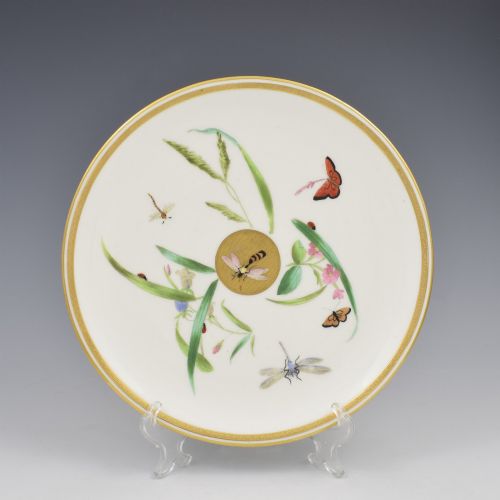
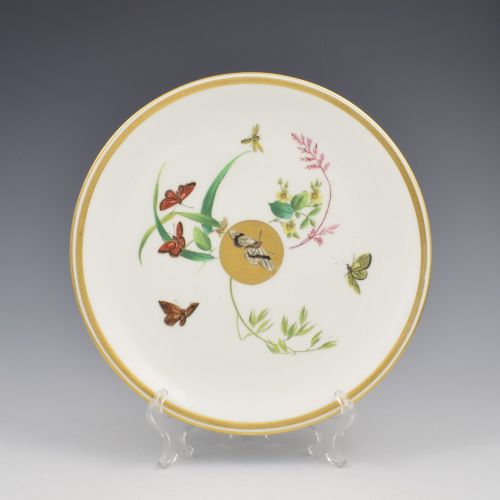
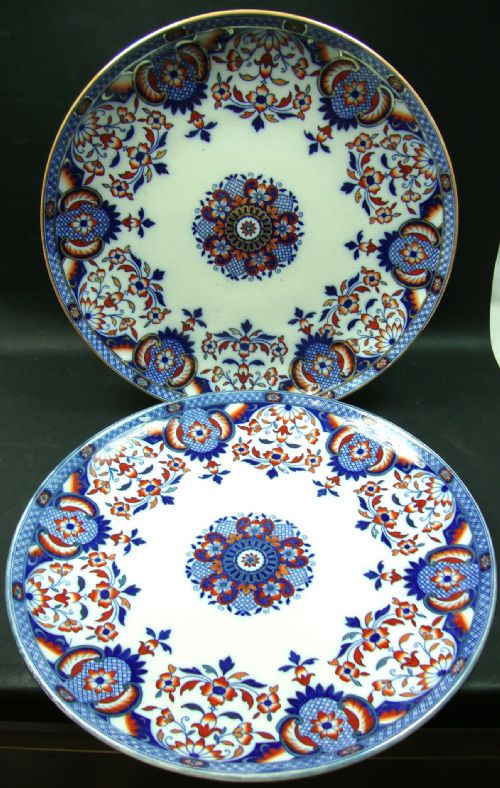
The porcelain plates most commonly met on this page originate from factories such as Minton and Wedgwood. They display characteristic Japanese-style motifs including suns, insects, birds, and floral arrangements enhanced with gilding.
Makers also produced octagonal shapes and specialised cabinet pieces alongside standard dessert service wares. These variations demonstrate the breadth of design exploration undertaken by Victorian ceramic artists influenced by Eastern aesthetics.
How they were made
Potters utilised fine porcelain and earthenware as the primary base materials for these plates. Artisans then applied detailed enamel colours and gilt highlights to create the characteristic surface patterns.
Certain examples incorporate specialised techniques such as pate-sur-pate, building up layers of liquid clay to form low-relief figures before firing. Printed and hand-painted elements combined to achieve the complex pictorial scenes seen across the period.
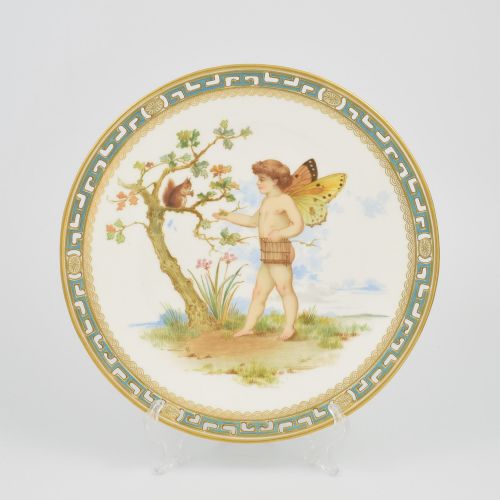
Victorian designers placed cheerful frogs, fairies, and squirrels among Japanese-style sunbursts on fine porcelain plates.
What varies in quality
The refinement of the hand-painted details separates ordinary production wares from exceptional cabinet pieces. Precision in the application of raised gold and enamels indicates the skill level of the decorator and the standing of the pottery.
Named designers and specific artists working within the factories elevate the status of individual pieces. The clarity of factory date marks and the complexity of the printed or painted subject matter also influence the standing of the work.
Minton·Wedgwood·Copeland·Christopher Dresser·Hukin and Heath·Roberts and Belk·Deakin and Sons·Atkin Bros·John Moyr Smith·W.S. Coleman
The Aesthetic Movement Plate Glossary
- Aesthetic Movement
- A late nineteenth-century design style emphasising art for art's sake and drawing heavy inspiration from Japanese art. It rejected heavy Victorian moralising in favour of natural asymmetry and delicate decoration.
- Cabinet Plate
- A decorative plate intended for display rather than dining use. These pieces often feature intricate painted scenes or significant artistic collaboration.
- Gilt
- A thin layer of gold applied to the surface of porcelain or metal. It provides metallic highlights that frame the painted motifs.
- Imari
- A style of ceramic decoration featuring iron red, cobalt blue, and gold. Victorian potteries adopted this palette to suit the taste for Japanese-inspired goods.
- Pate-sur-pate
- A ceramic technique involving successive layers of liquid white slip painted onto a darker body. This builds a cameo-like relief effect before the piece is glazed and fired.
Aesthetic Movement Plate: Frequently Asked Questions
How do I display an aesthetic movement plate?
Cabinet plates work best mounted on dedicated wall hangers or supported securely on sturdy plate stands within a cabinet. This protects the delicate enamel and gilt surfaces from accidental knocks.
Ensure the display area avoids direct, prolonged sunlight to preserve the vibrant tones of the painted Japanese-style motifs over time.
Can I use these plates for food?
Nineteenth-century decorative and cabinet plates suit display purposes rather than heavy everyday dining use. Historic glazes and delicate overglaze gilding can suffer from cutlery marks and modern dishwashing.
Gentle hand washing in lukewarm water with mild soap remains the safest approach if cleaning becomes necessary.
How do I identify the period of a ceramic plate?
Factory stamps, impressed date ciphers, and registration marks located on the reverse provide precise manufacturing years. Minton and Wedgwood utilised specific impressed codes that indicate the exact year of production.
Stylistic markers such as asymmetrical Japanese compositions and specific colour palettes also point toward the Victorian period.
What is the difference between porcelain and earthenware?
Porcelain provides a denser, vitrified body that rings slightly when struck and often allows light to pass through thin edges. Earthenware is more porous and opaque, requiring an impermeable glaze to hold liquids.
Both materials served as canvases for aesthetic movement designers, though finer cabinet pieces typically utilised porcelain.