


Acid Etched Glass
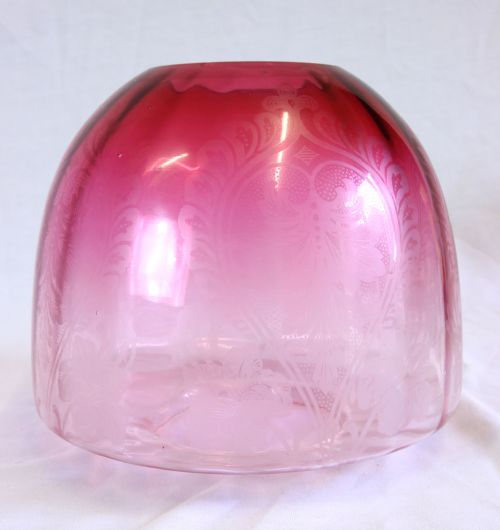
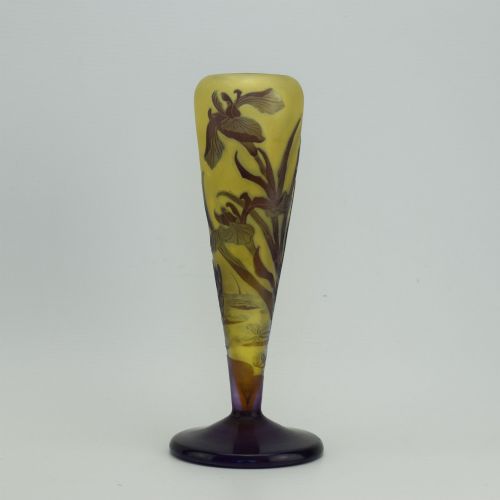
Acid etched glass brings depth and layered pattern to vases, windows and tableware through chemical resist techniques.
Acid Etched Glass
Acid etched glass spans functional vessels, table glassware and large architectural salvage like pub windows, originating primarily across the nineteenth and twentieth centuries.
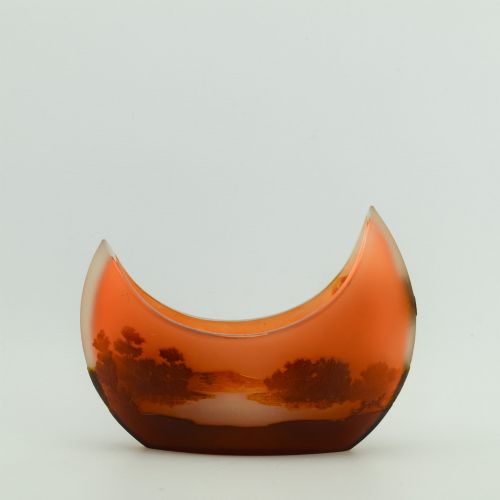
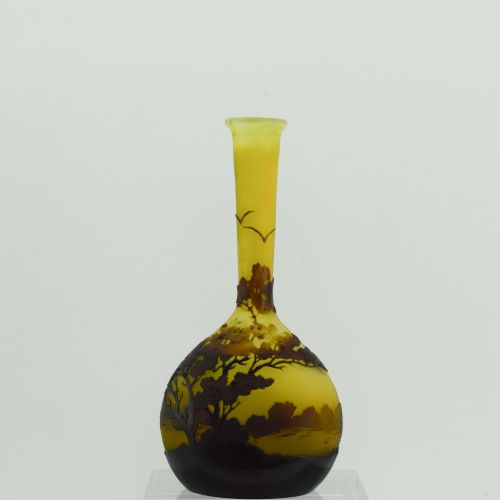
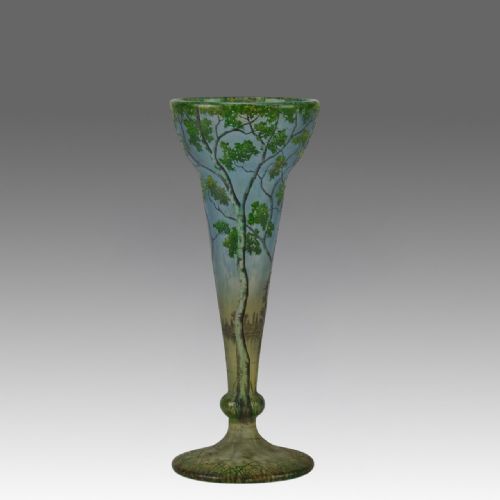
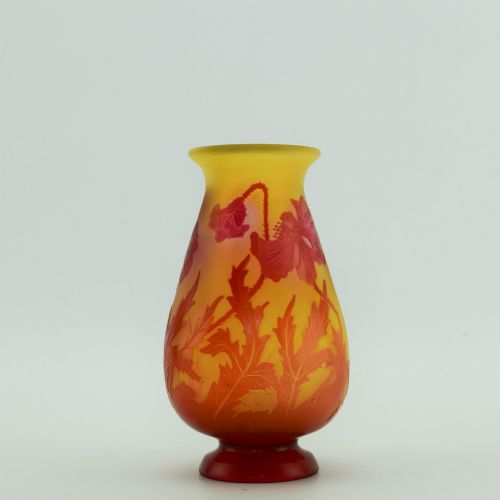
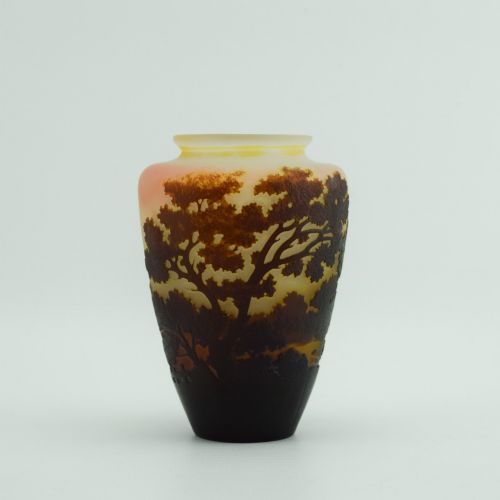
Vases and decorative bowls dominate the selection, heavily represented by Art Nouveau and Art Deco periods, alongside Victorian glassware and Edwardian tableware.
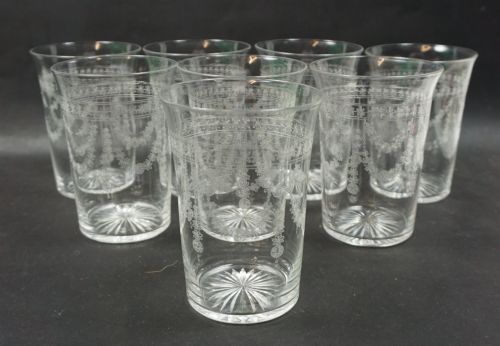
The phrase encompasses varied forms ranging from delicate wine glasses and decanters to heavy lamp shades, mirrors and structural door panels.
How they were made
Makers utilised hydrofluoric acid to bite into lead crystal, clear glass, frosted glass and cameo glass blanks, eating away unprotected areas to create recesses.
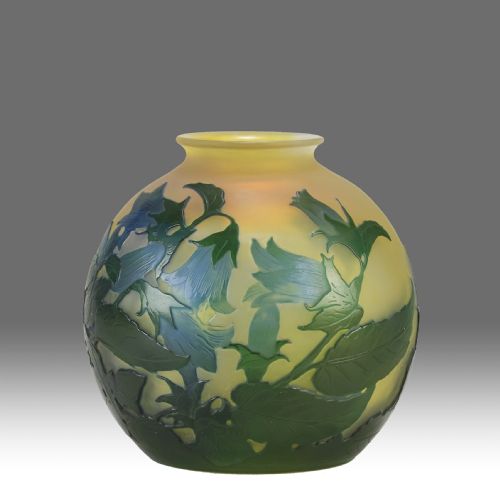
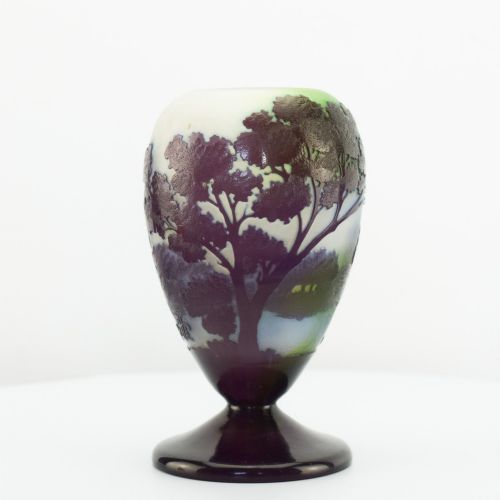
Multi-layered cameo pieces involved cutting and acid biting through different coloured glass layers to reveal contrasting background shades.
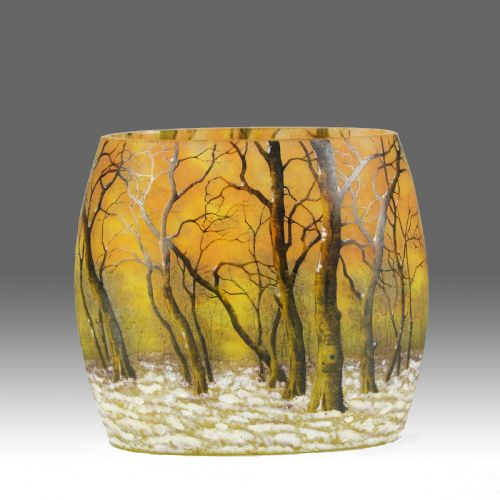
Enamel and cut decoration frequently supplemented the chemical biting to add colour and sharp surface texture.
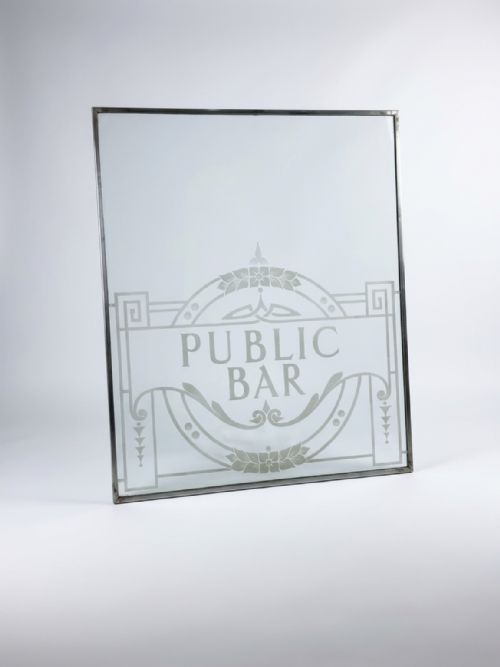
Several pub doors invite patrons directly into historic tap rooms through frosted glass panels.
What varies in quality
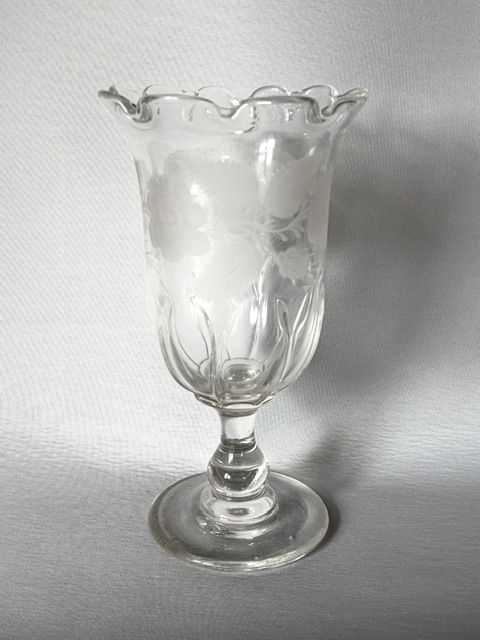
Depth of the chemical bite and precision in masking create high relief and crisp botanical or landscape contours on superior vessels.
The complexity of layered colours in cameo pieces and the artistic execution of designs by prominent workshops dictate the upper tier of the range.
Subtlety in shading, particularly on winter or sunset landscape motifs, separates standard production items from masterworks.
Emile Gallé·Daum Frères·Thomas Webb and Sons·Baccarat·Jean Luce·Schneider·Venini·Legras
The Acid Etched Glass Glossary
- Acid-Etched Glass
- Glass decorated by applying hydrofluoric acid to eat away portions of the surface. This technique produces intricate frosted patterns or deep sculptural relief.
- Cameo Glass
- Glass vessels created with multiple fused layers of different colours. Acid and carving remove top layers to expose contrasting designs.
- Lead Crystal
- Heavy, high-clarity glass containing lead oxide. It offers superior brilliance and responds well to deep acid biting and cutting.
- Frosted Glass
- Glass treated to achieve a diffuse, semi-opaque finish. This texture is often achieved through acid immersion or sandblasting.
- Architectural Salvage
- Building elements recovered from older structures, such as etched pub windows and interior doors. These pieces retain original signage and decorative panels.
Acid Etched Glass: Frequently Asked Questions
How do I clean antique acid etched glass?
Wash pieces gently in warm soapy water using a soft cloth, avoiding abrasive pads that can scratch the frosted or raised surfaces.
Dry immediately with a lint-free towel to prevent water spots from forming within the etched recesses.
Can I use these glass pieces every day?
Tableware such as wine glasses and tumblers can be used carefully, but antique decorative vases and lamp shades demand gentle handling due to their age and delicate relief work.
Hand washing is essential for all items, as modern dishwashers use harsh detergents that damage historic glass surfaces.
How do I tell Victorian pieces from Art Nouveau ones?
Victorian examples tend to feature formal botanical motifs, grape vines, and traditional cut decoration on heavy crystal or cranberry glass.
Art Nouveau pieces showcase fluid, naturalistic landscapes, floral silhouettes, and layered cameo coloration inspired by organic forms.
Where were acid etched architectural panels used?
Large etched windows and door panels originated mainly in Victorian and Edwardian pubs, private smoking rooms, and public houses to provide privacy while diffusing light.
They frequently display lettering denoting specific rooms like tap rooms or smoke rooms alongside decorative borders.