
Accent Side Table
An accent side table brings a practical surface and period character to a room, ranging from mahogany lamp tables to oak occasional pieces.
Accent Side Table
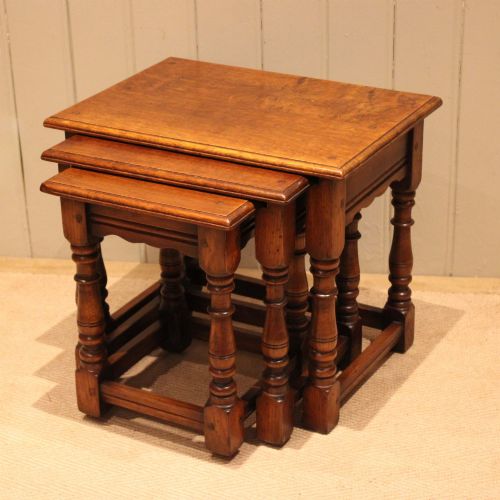
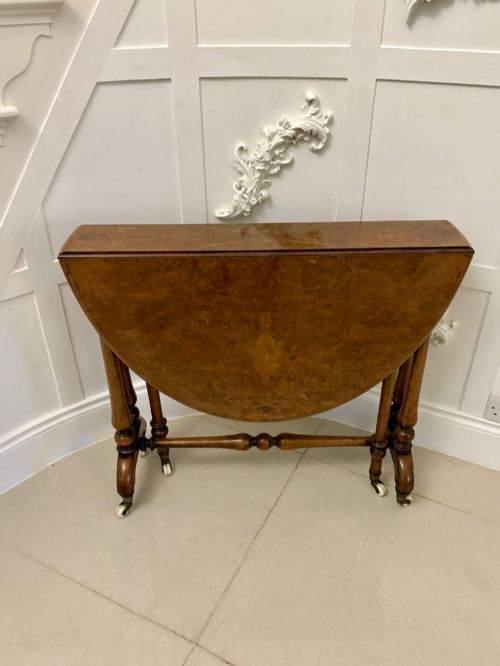
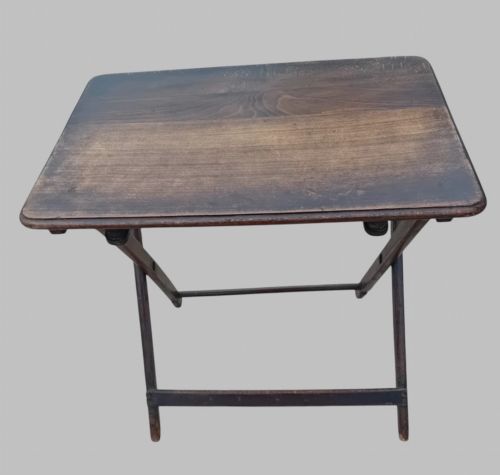
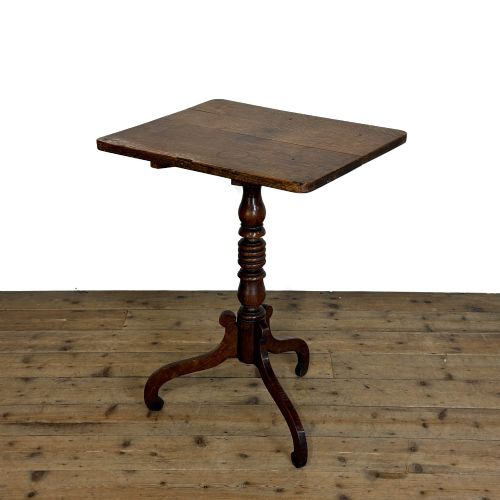
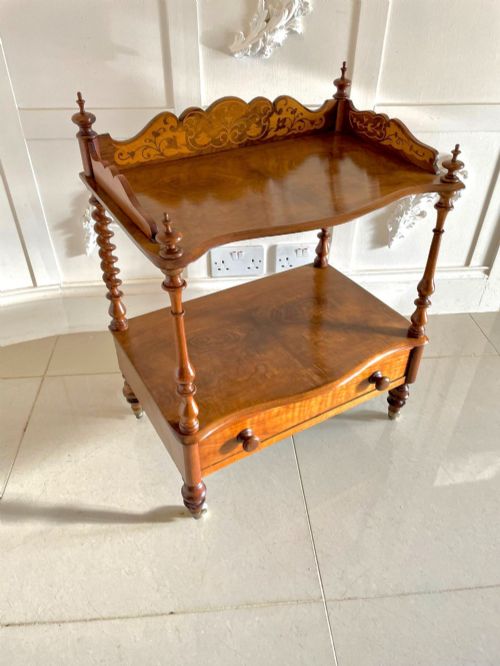
An accent side table serves as a functional surface within a room, appearing in forms such as lamp tables, occasional tables, wine tables, and nests of tables. The selection spans the Georgian, Victorian, and Edwardian periods, stretching into early 20th-century designs.
The most common examples on this page are Victorian and Edwardian pieces constructed from timbers like mahogany, oak, and walnut. These tables adapt easily beside seating or in corners, functioning as plant stands, coffee tables, or small display surfaces.
How they were made
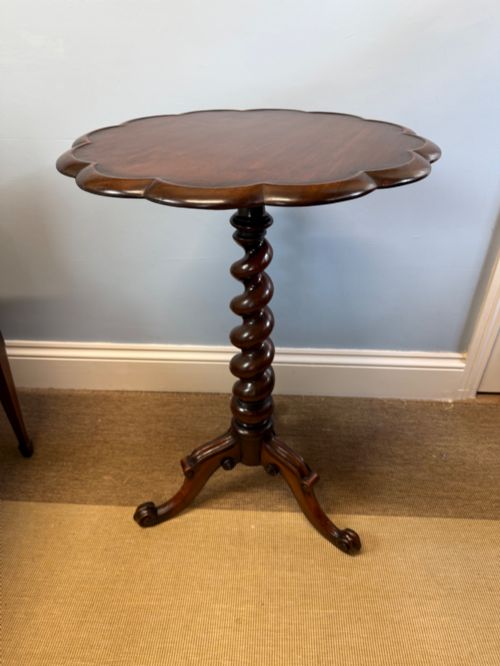
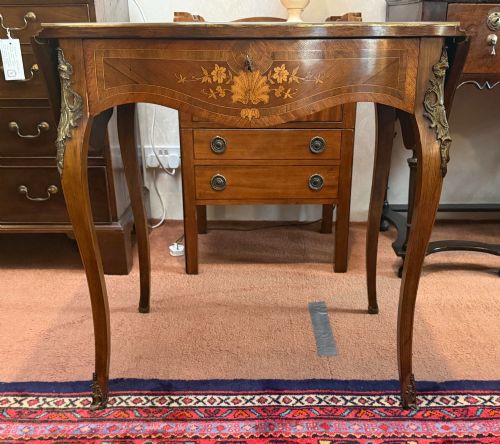
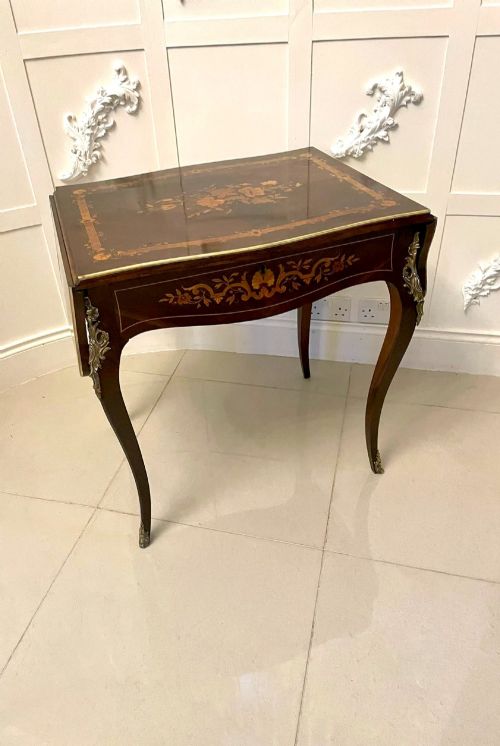
Makers utilised solid timbers and veneers, combining mahogany, oak, walnut, and rosewood with marquetry inlay and brass mounts. Tables often feature turned pedestals, tripod legs, or folding mechanisms tailored to domestic use.
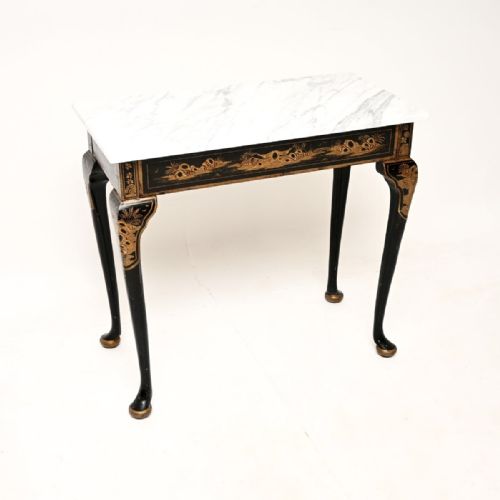
Surfaces vary from polished wood to inset leather, marble tops, and glazed or tiled sections. Construction methods range from tilt-top pedestals to drop-leaf frames and fixed Frieze drawers.
Listings feature woods including mahogany, oak, walnut, burr walnut, rosewood, yew, beech, and pine, alongside marble, brass, and ormolu.
What varies in quality
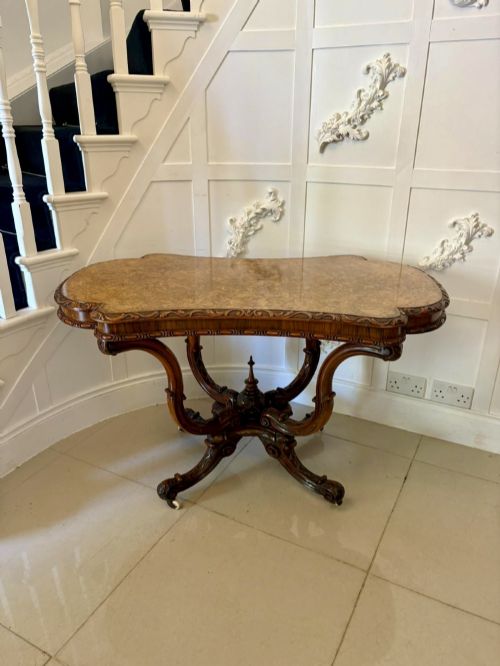
The degree of refinement in timber selection and decorative detail separates pieces, with burr walnut veneers, intricate marquetry, and fine brass or ormolu mounts indicating higher craftsmanship. Simpler utility tables rely on solid structural integrity rather than ornamentation.
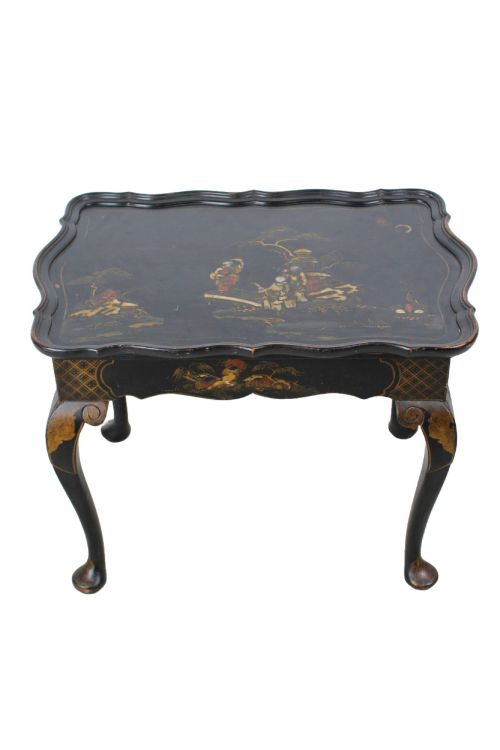
Proportion and execution of carved elements, such as pie crust edges or turned legs, define the distinction between standard production and workshop pieces.
Shapland & Petter
The Accent Side Table Glossary
- Pembroke table
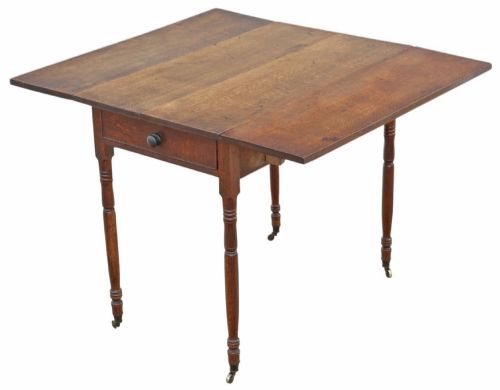
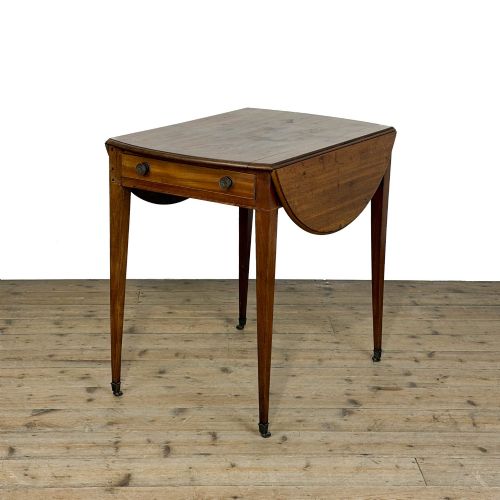
- A table with hinged drop leaves on two opposing sides, often fitted with a drawer. This form emerged in the 18th century for dining or writing.
- Tripod table
- A small freestanding table supported by three legs radiating from a central pillar. Many examples incorporate a tilt-top mechanism for storage.
- Marquetry
- Decorative patterns formed by fitting together small pieces of veneer into timber surfaces. This technique creates floral or geometric designs on tabletops.
- Sutherland table
- A narrow drop-leaf table where the leaves fold down almost vertically. The design allows the piece to occupy minimal space when not in use.
- Cricket table
- A small, lightweight circular table with three splayed legs. This traditional form derives its name from domestic vernacular use.
Accent Side Table: Frequently Asked Questions
What is an accent side table used for?
These pieces provide a convenient surface for lamps, books, or drinks beside seating areas and within hallways. Their compact footprint allows them to fit easily into smaller spaces.
They also function as plant stands or decorative display points, combining practical utility with period style.
How do I identify a Victorian side table?
Victorian pieces frequently utilise dense timbers like mahogany and burr walnut, often featuring rich grain patterns and dark finishes. Common indicators include turned pedestals, inlaid marquetry, and marble or leather tops.
Many examples from this era reflect revival styles or display functional additions like single drawers and drop leaves.
What is the difference between an occasional table and a lamp table?
Occasional tables cover a broad category of moveable, multi-purpose small tables intended for intermittent use around the home. Lamp tables represent a specific subset traditionally scaled to hold a table lamp beside a chair or sofa.
Both forms overlap significantly in period design and physical dimensions.
Are these tables suitable for modern interiors?
Antique and vintage side tables introduce warmth and texture through natural wood grains and traditional craftsmanship. Their compact proportions allow them to sit comfortably alongside contemporary furniture.
Different stylistic roots, from Arts and Crafts oak to French marquetry, offer versatile options for various interior schemes.