
Pair of Tables
When furnishing a symmetric scheme, a well-matched pair of tables brings balance and proportion to a room.
Pair of Tables
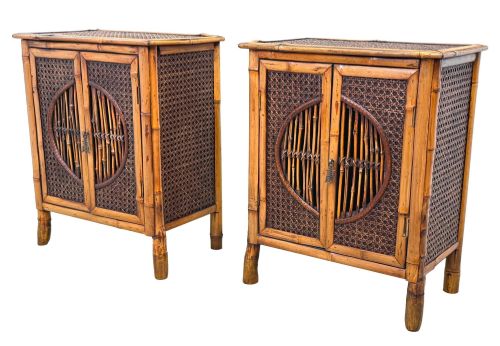
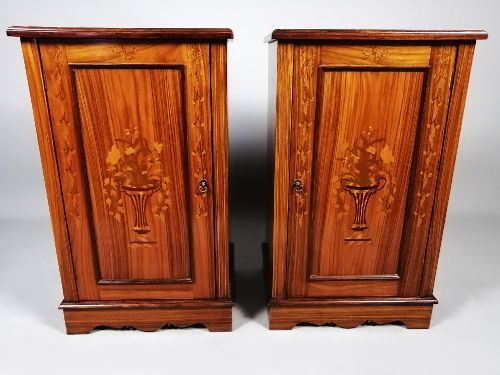
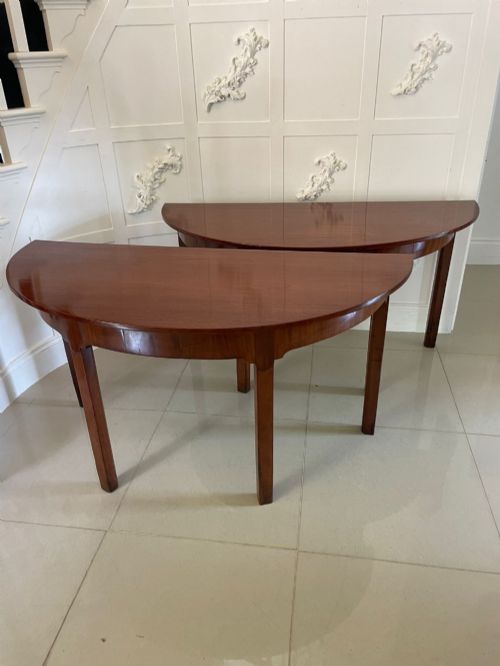
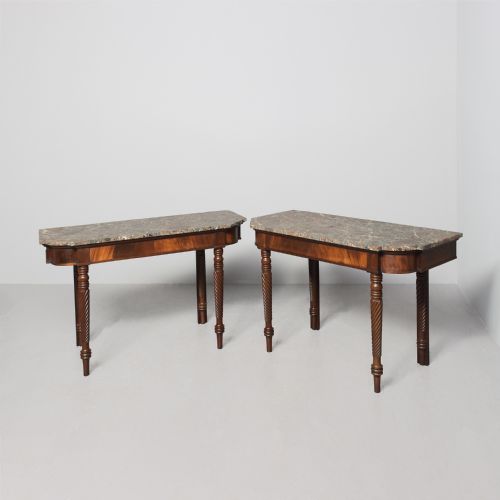
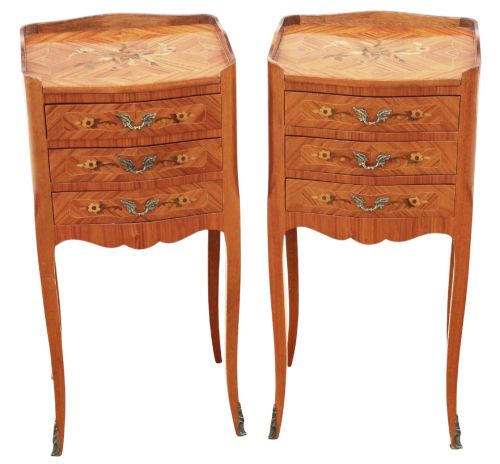
A pair of tables covers a diverse range of forms designed for matching placement, from nineteenth-century mahogany console tables placed in grand hallways to compact bedside cabinets and lamp tables.
The selection includes Georgian and Victorian console designs alongside Edwardian and Art Deco occasional pieces, reflecting changing domestic habits across different periods.
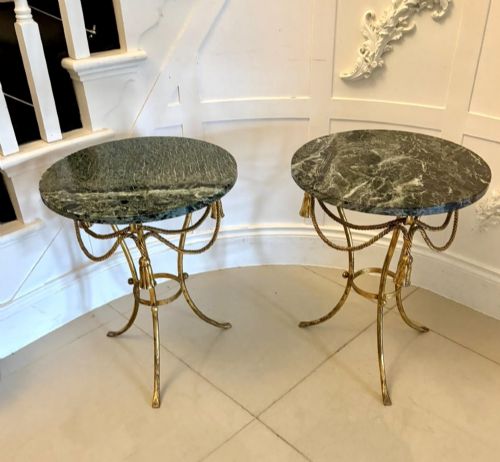
Buyers seeking this specific configuration will encounter numerous timber examples alongside marble-topped and metal-framed variants suited to varied interior settings.
Materials and construction
Cabinetmakers utilised dense hardwoods such as mahogany, rosewood, and walnut, frequently enhancing surfaces with marquetry, parquetry, or satinwood veneers.
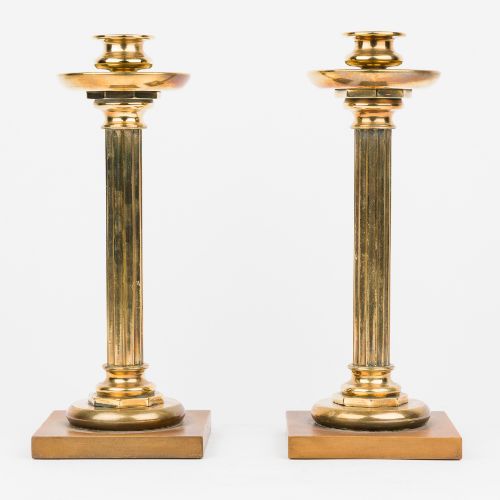
Many examples incorporate contrasting materials, pairing wooden frames with inset marble tops, brass mounts, or cast iron bases to achieve decorative distinction.
Assessing craftsmanship and finish
Superior examples demonstrate careful timber selection, such as figured mahogany or matched veneers, alongside precise joinery in drawers and framing.
The refinement of decorative elements like hand-carved neoclassical details, Ormolu mounts, or inlaid woodwork distinguishes standard production from exceptional workshop output.
Garrard Co London
The Pair of Tables Glossary
- Demi lune
- A half-moon shape characteristic of console and card tables designed to sit flush against a wall.
- Marquetry
- Decorative woodwork where pieces of veneer are fitted into a ground to form geometric or floral patterns.
- Console table
- A table supported by wall brackets or legs, historically designed to stand against a wall in reception rooms.
- Ormolu
- Gilded bronze used for decorative mounts and furniture ornamentation, particularly prominent in nineteenth-century pieces.
Pair of Tables: Frequently Asked Questions
How do I style a pair of tables in a bedroom?
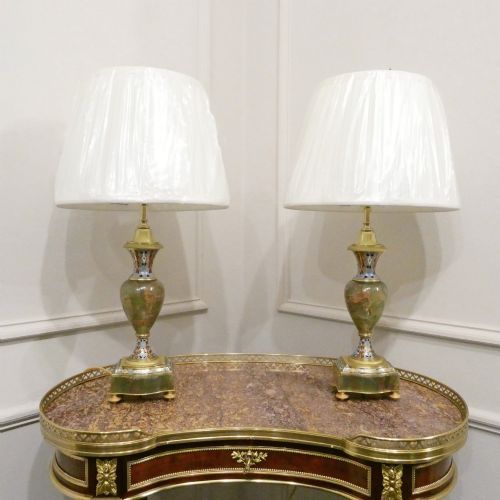
Matching bedside chests or lamp tables anchor the bed on either side, creating visual symmetry. Place identical bedside lamps or balanced decorative objects on each surface to complete the arrangement.
Ensure the height of the tables aligns comfortably with the mattress level for practical daily use.
What is the difference between console tables and side tables?
Console tables are traditionally designed to stand directly against a wall, frequently featuring shaped demi lune or rectangular tops. Side tables are generally freestanding pieces intended for flexible placement beside seating.
Both forms appear frequently in matching pairs across Georgian and Victorian periods.
How can I identify the period of wooden tables?
Examination of the timber, construction methods, and stylistic motifs reveals the likely period of manufacture. Georgian pieces often display solid figured mahogany and restrained carving, while Victorian examples frequently utilise richer veneers and heavier proportions.
Edwardian and later twentieth-century pieces introduce lighter satinwood, marquetry, and compact forms.
Are marble-topped tables difficult to maintain?
Marble surfaces require basic care to prevent staining from liquids and acids, utilising coasters and wiping clean with a damp cloth. The stone top provides a durable and cooling surface that was particularly favoured on nineteenth-century bedside cabinets and lamp tables.
Regular gentle polishing preserves the natural lustre of the marble.