



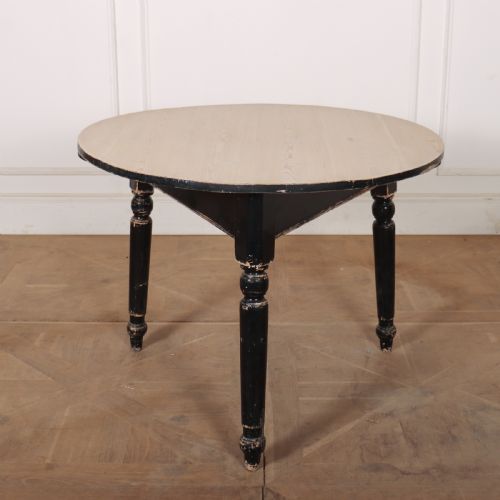

19th Century Welsh Table
A 19th century welsh table brings honest country utility and sturdy vernacular character straight into a modern interior.
19th Century Welsh Table
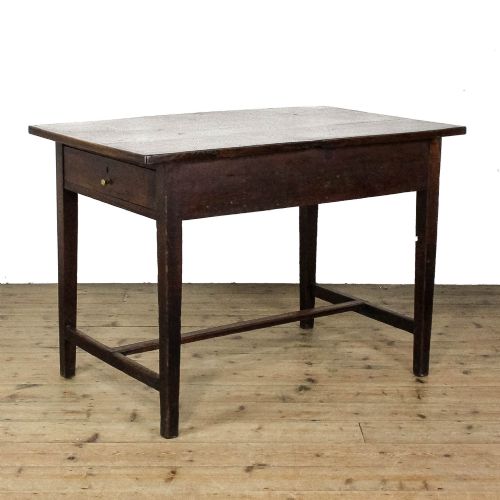
A 19th century welsh table encompasses sturdy domestic furniture originating from Wales during the 1800s, built to serve practical household and agricultural tasks. These pieces reflect regional vernacular traditions rather than grand metropolitan fashions, prioritising function and durability over ornate decoration.
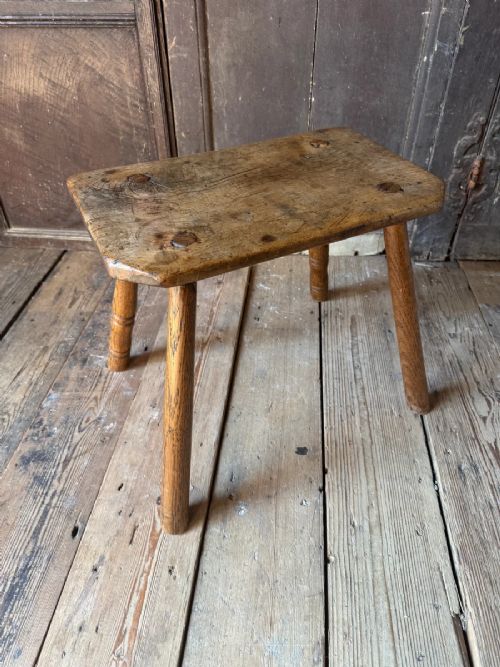
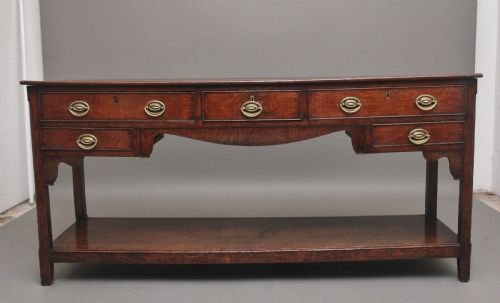
The selection on this page relies heavily on utilitarian forms designed for everyday life, with cricket tables and kitchen tables appearing frequently alongside side tables, tavern tables, and server units. Oak and pine dominate the surviving inventory, supplemented by sycamore, ash, and painted timber surfaces.
Buyers encounter a distinct mix of styles including Welsh country, vernacular, and rustic country aesthetics. These forms range from compact three-legged tripod pieces to long refectory formats suitable for communal dining.
How these pieces were constructed
Local cabinet makers and rural joiners utilised readily available native timbers such as oak, pine, sycamore, and ash to build these domestic surfaces. Construction methods relied on straightforward joinery, pegging, and sturdy framing to withstand heavy daily use in kitchens, dairies, and taverns.
Many surviving examples retain their original painted finishes, often applied in utilitarian reds or greens to protect the soft pine and timber from moisture and wear. Secondary materials like brass fittings and occasional marble inserts appear sparingly, maintaining the dominant focus on honest woodwork.
Several tables here spent their working lives inside bustling nineteenth-century taverns pouring ale and holding tankards.
What determines quality in these tables
Quality rests upon the structural integrity of the frame and the retention of honest, unmolested timber surfaces. Pieces that have survived decades of hard domestic service without aggressive modern sanding or structural rebuilding command greater appreciation.
The presence of undisturbed original paint, where applicable, adds considerable character and authenticity to vernacular items like cricket tables and tavern counters. Proportion and timber selection also distinguish finer workshop output from rougher utilitarian items.
The 19th Century Welsh Table Glossary
- Cricket table
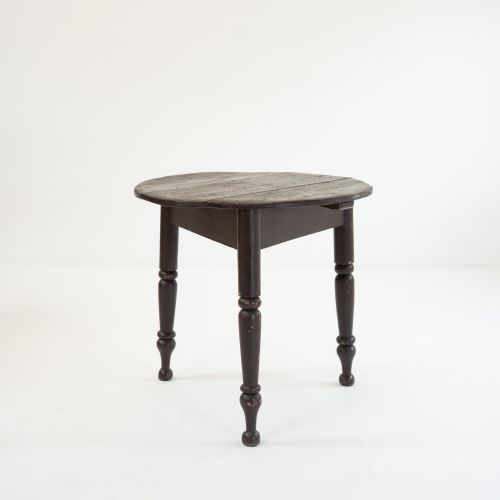
- A small, three-legged occasional table traditionally featuring a triangular top and splayed legs. This clever three-point design ensured stability on uneven flagstone floors found in rural cottages.
- Vernacular
- Architecture and furniture created by local craftsmen using traditional methods and native materials, without reference to formal academic architectural styles.
- Refectory table
- A long, narrow dining table built for communal meals in large halls or substantial country houses. These items provide generous surface space for gathering.
- Lowboy
- A small side table or dressing table featuring one or more drawers beneath the work surface, supported on slender legs. They served versatile storage roles in domestic chambers.
- Pig bench table
- A specialised rural work table associated with agricultural preparation and butchery. These sturdy pieces display the heavy-duty utilitarian nature of Welsh country life.
19th Century Welsh Table: Frequently Asked Questions
What is a cricket table?
A cricket table is a traditional three-legged round table with a triangular frame designed to remain steady on uneven stone floors.
These compact items served versatile roles beside hearths or in farmhouse corners throughout the nineteenth century.
How do I care for pine furniture?
Pine surfaces respond best to gentle cleaning with a damp cloth and occasional applications of natural beeswax to nourish the wood.
Avoid placing these historic timbers near direct heat sources or strong sunlight to prevent warping and excessive drying.
Are painted finishes original?
Many surviving painted pine and timber surfaces retain their historic working coats of red or green protective paint.
Examining the wear patterns and underlying layers helps distinguish genuine period coatings from later decorative treatments.
Where were these tables made?
These domestic items were constructed by rural joiners and local carpenters working across various Welsh counties and communities.
Their designs reflect the specific functional needs of farmhouses, taverns, dairies, and country cottages of the era.