




Acanthus Leaf Gilt Mirror
An acanthus leaf gilt mirror brings classical ornament and shimmering reflection into a room, offering rich sculptural presence.
What these pieces are
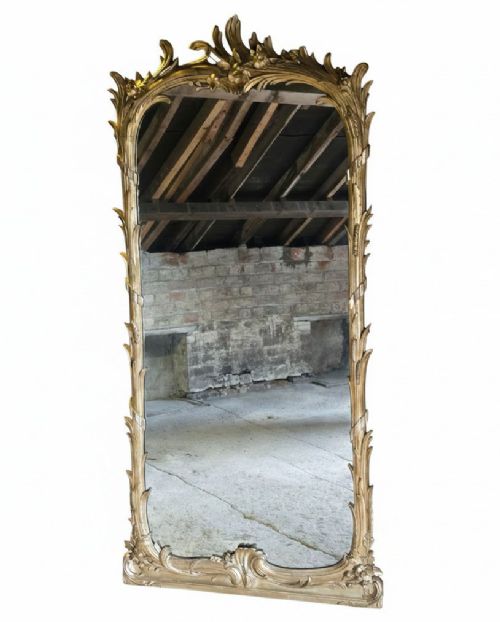
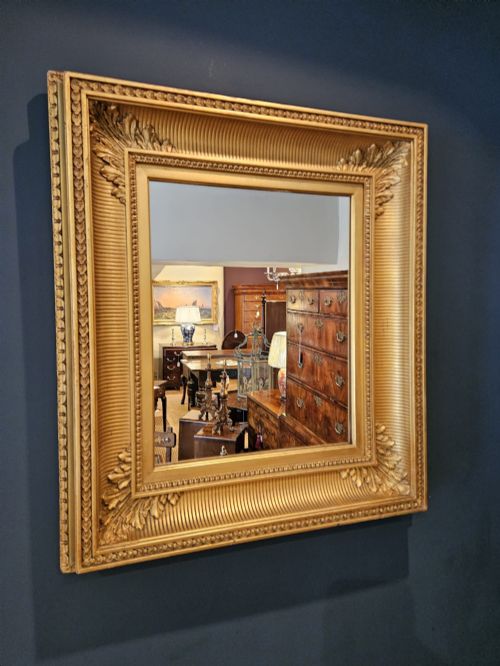
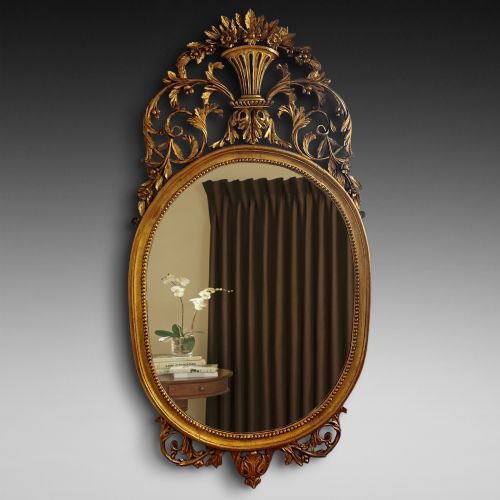
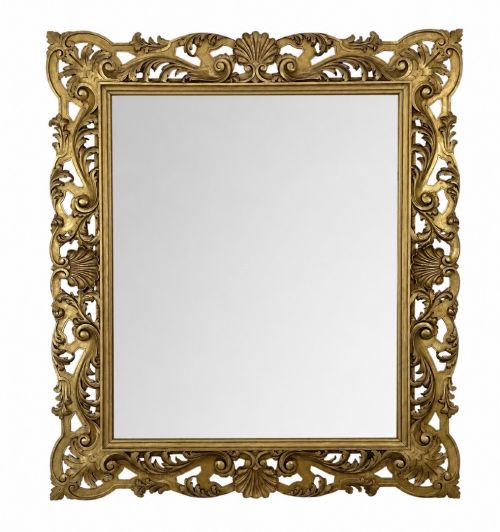
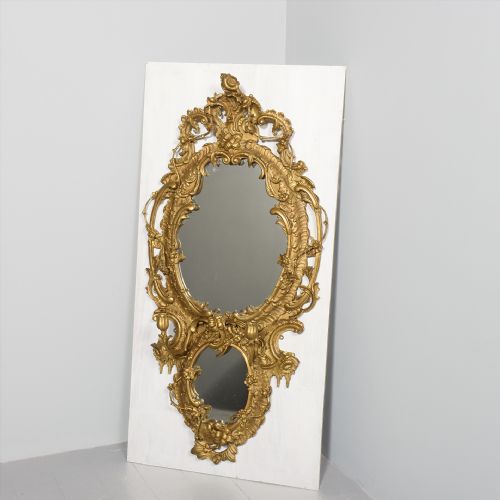
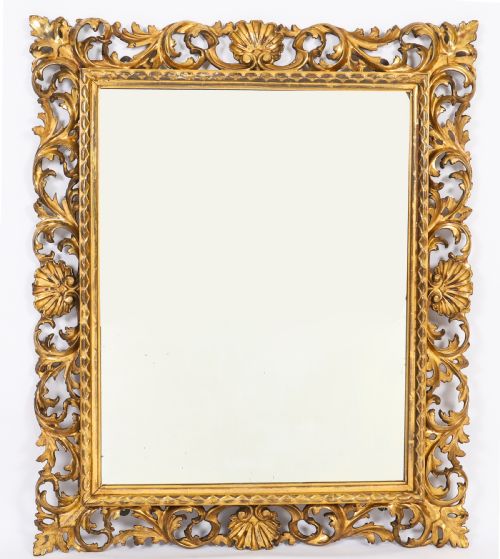
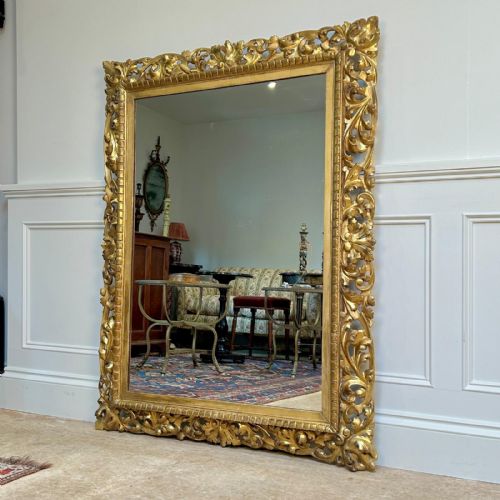
An acanthus leaf gilt mirror is a decorative looking glass framed in carved wood or moulded composition, finished in gold leaf or metallic paint. These items function primarily as wall mirrors or overmantel mirrors, designed to anchor a room and bounce light across the space. When exploring this selection, buyers encounter formats ranging from compact oval wall pieces to grand Victorian and Regency overmantels.
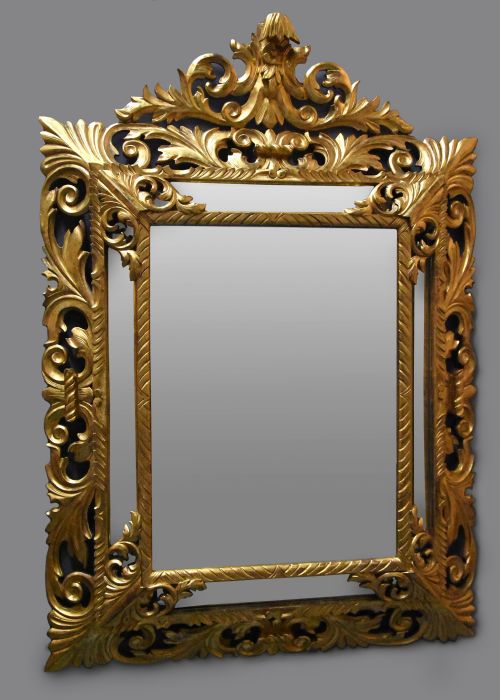
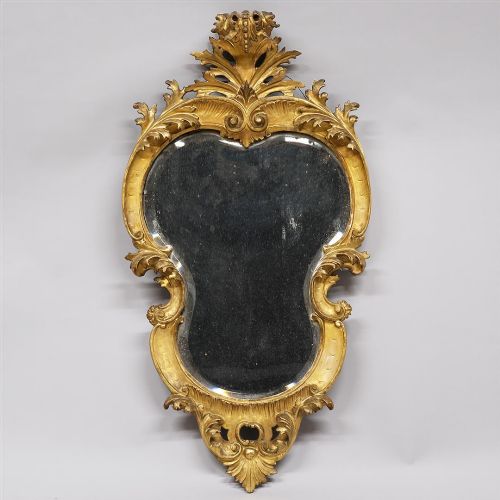
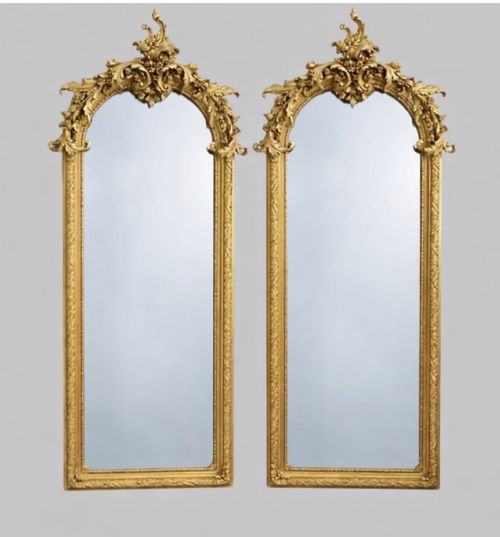
The objects span several distinct periods, including Georgian, Regency, and the nineteenth century, alongside later nineteenth-century revival styles. Victorian Rococo Revival and Neoclassical influences dominate the aesthetic, bringing swirling foliage and architectural symmetry together. The most common forms on this page are large nineteenth-century overmantel mirrors and wall mirrors framed in gilded timber.
Makers and craftsmen of the past drew on historical motifs, applying carved or moulded acanthus foliage to corners, crests, and borders. These mirrors range from simple nineteenth-century examples to elaborate George III or Regency pieces with convex or flat glass plates. Each version reflects the interior design priorities of its era, combining utility with ornamental excess.
How they were made
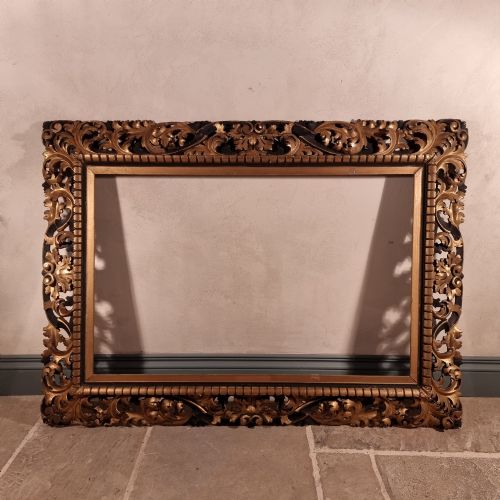
The construction of an acanthus leaf gilt mirror typically relies on a wooden substrate, such as pine, which forms the sturdy internal structure of the frame. Artisans applied layers of gesso to this timber base, smoothing the surface to receive fine detail work and preparation for gilding. Carved wooden elements and applied composition ornaments define the sculptural leaf motifs seen across these frames.
Gilding transforms the prepared surface, utilising gold leaf or metallic finishes to achieve a bright, reflective exterior. Some pieces incorporate ebonised wood details to contrast against the shimmering gold sections of the carving. The mirrored glass itself, whether original or replaced, is fitted securely into the rebate behind the moulded frame.
Retail Price Guide 2026
Typical UK retail prices for acanthus leaf gilt mirror, calculated from the Sellingantiques database of over a million retail prices indexed since 2003. This retail price guide relies exclusively on Sellingantiques data; no external sources or auction records are used, so the figures do not describe the wider market.
Listings feature pieces spanning the Georgian, Regency, and Victorian periods, constructed from giltwood, gesso, and pine.
What varies in quality
The distinction between ordinary and exceptional examples lies in the crispness of the carving and the depth of the gesso work. Superior pieces display hand-carved wooden acanthus foliage with sharp undercut details, whereas simpler versions rely on moulded composition that softens the leaf edges over time. The quality of the gilding also sets items apart, with genuine gold leaf ageing into a softer, warmer tone than lesser metallic paints.
Proportion and scale dictate the visual impact of an overmantel or wall mirror, with well-balanced frames commanding a stronger presence in a room. The integration of the frame corners, the weight of the timber, and the clarity of the mirrored glass contribute to the overall standard of the piece. Archive examples show that tightly controlled foliage decoration around an oval or archtop format marks the upper end of the craft.
The Acanthus Leaf Gilt Mirror Glossary
- Acanthus leaf
- A classical ornament modelled on the leaves of the Mediterranean acanthus plant, frequently carved or moulded onto furniture and mirror frames. It provides a naturalistic scroll motif common in classical and revival architecture.
- Giltwood
- Timber that has been coated with thin sheets of gold leaf over a prepared gesso ground. This material defines the bright, metallic appearance characteristic of traditional antique mirrors.
- Gesso
- A plaster-like mixture applied to wood frames to create a smooth surface for gilding or intricate low-relief moulding. It allows craftsmen to shape fine decorative details before applying gold leaf.
- Overmantel mirror
- A large horizontal looking glass traditionally hung on the wall directly above a fireplace mantelpiece. These mirrors were designed to reflect light from the hearth and visually expand the room.
- Convex mirror
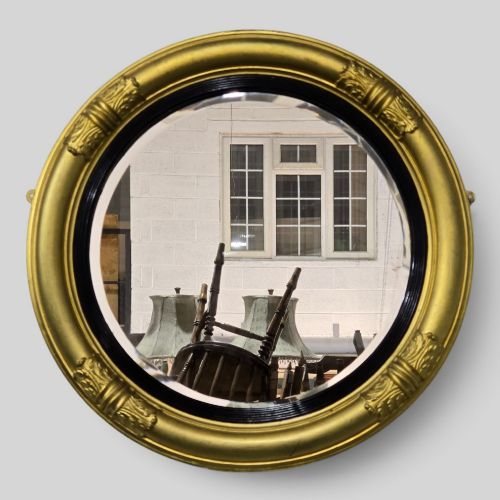
- A round mirror with a curved, outward-bulging glass plate that offers a wide-angle, panoramic reflection of the interior. These pieces often feature gilded frames adorned with ball details or foliate carving.
Frequently Asked Questions
Where should I hang an overmantel mirror?
An overmantel mirror is traditionally positioned directly above a fireplace mantelpiece to anchor the wall space and reflect ambient light. They also function effectively above low sideboards or console tables in principal rooms.
Because many nineteenth-century overmantel mirrors are substantial in scale, ensure the wall fixings are secured firmly into studs or masonry. Positioning the mirror opposite a window maximises the distribution of natural daylight.
How do I identify a Regency mirror?
Regency mirrors often incorporate classical motifs, convex glass plates, and ebonised details within the gilded frame. The design vocabulary draws heavily on ancient Greek and Roman architecture.
Look for architectural symmetry, reeded columns, and circular or oval formats that typify the early nineteenth-century aesthetic.
Are the mirror plates original?
Many antique mirrors retain their original glass, which often displays minor foxing, dark spots, or gentle clouding from age. Some pieces have received replacement mirror plates over the decades for clearer reflection.
Examining the silvering on the reverse or the edge bevels can help indicate the age of the glass relative to the frame.