
9ct Rose Gold
Items described as 9ct rose gold span heavy Victorian gate bracelets, Edwardian guard chains and solid wedding bands carrying distinct coppery warmth.
9ct Rose Gold
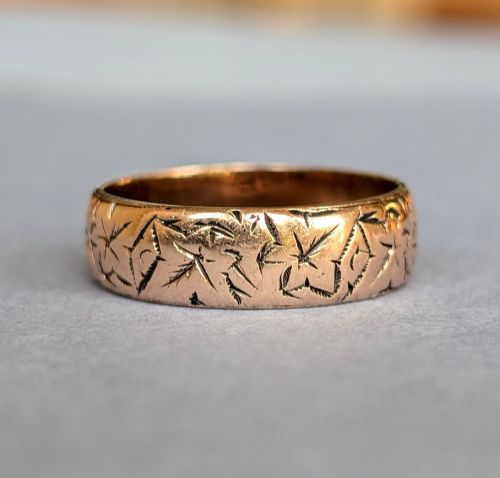
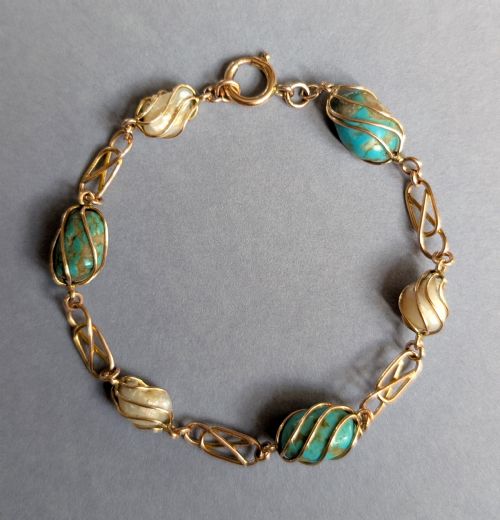
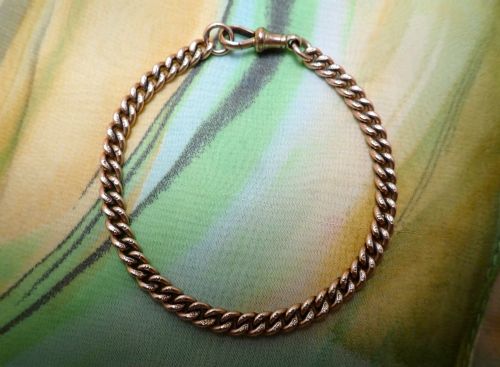
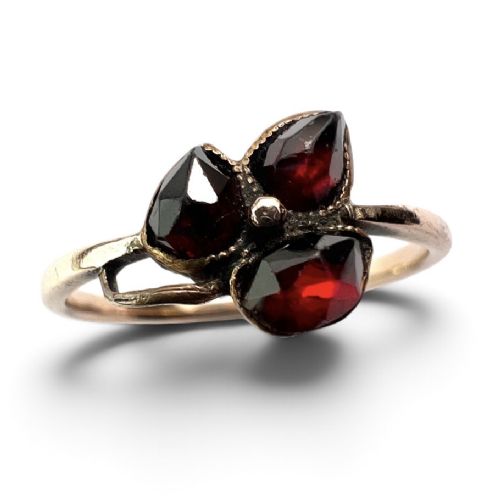
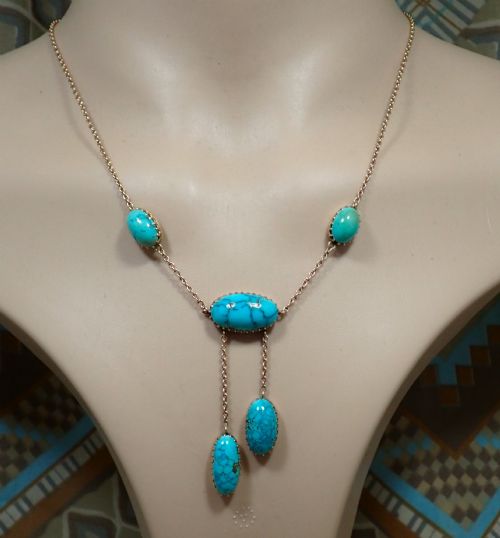
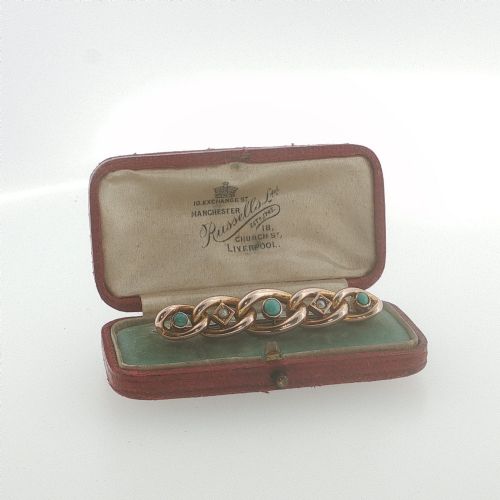
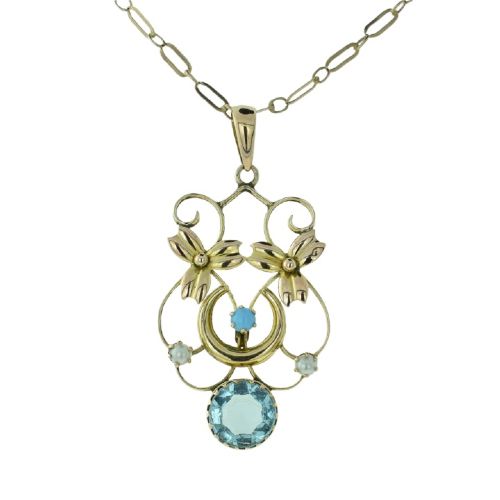
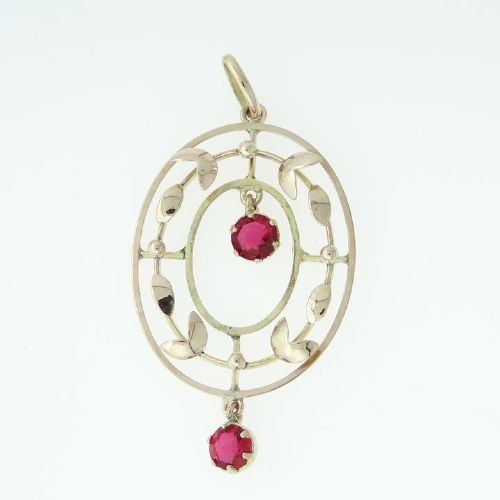
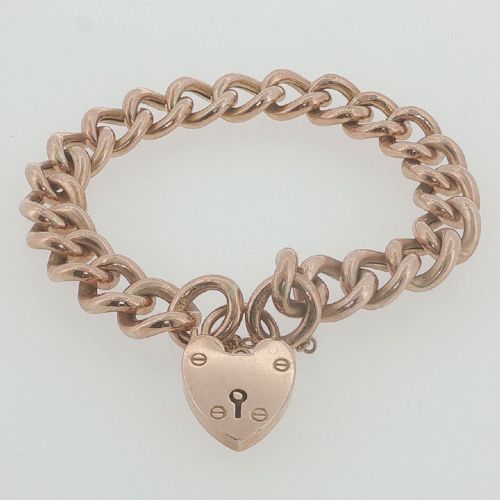
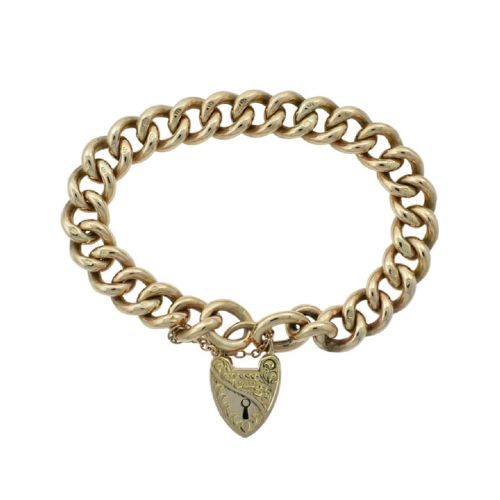
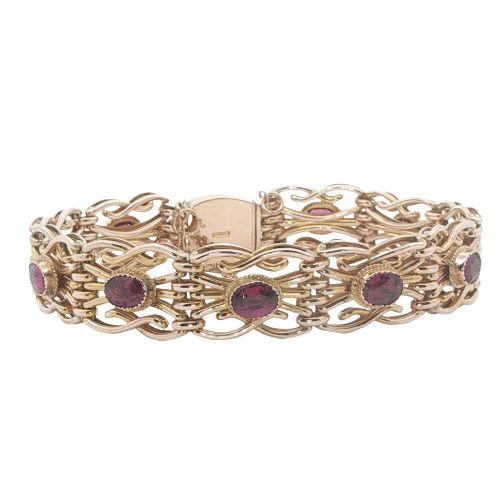
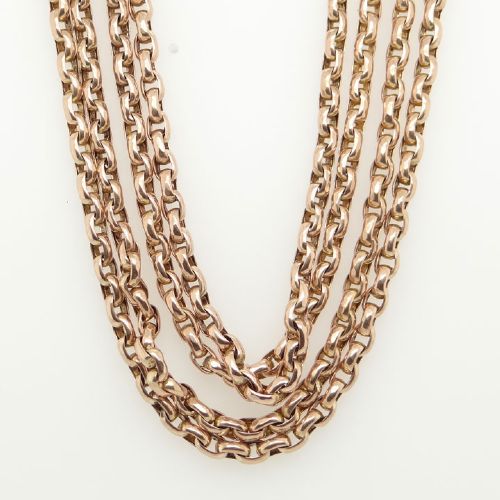
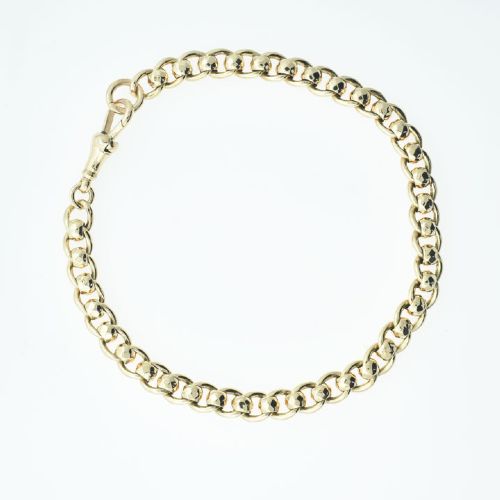
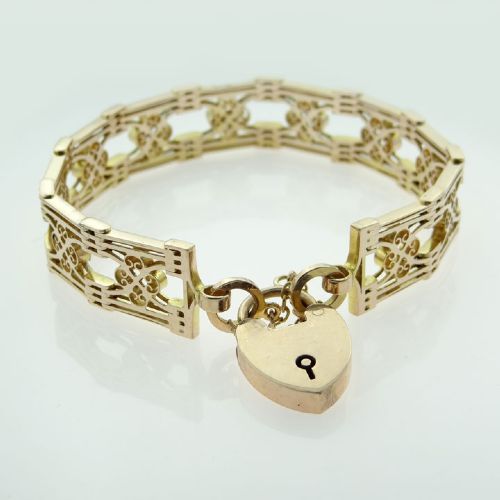
When searching for 9ct rose gold, collectors encounter an array of jewellery produced across the Victorian, Edwardian and Art Deco periods. The selection includes substantial charm and curb link bracelets fitted with heart padlocks, alongside long guard chains and Albert watch chains. Ring forms range from plain wedding bands and signet rings to cluster settings holding garnets, turquoise and seed pearls.
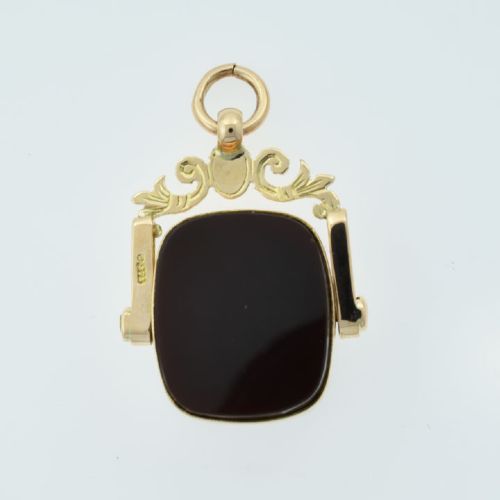
Pendants and lockets also appear frequently, often featuring engraved foliate motifs or combined yellow and rose gold sections. Heavier items such as rollerball bracelets and solid gate links demonstrate the substantial metal weight typical of early twentieth-century manufacturing. These pieces reflect the prevailing metal alloy preferences of British workshops operating between the late nineteenth century and the 1930s.
Materials and construction
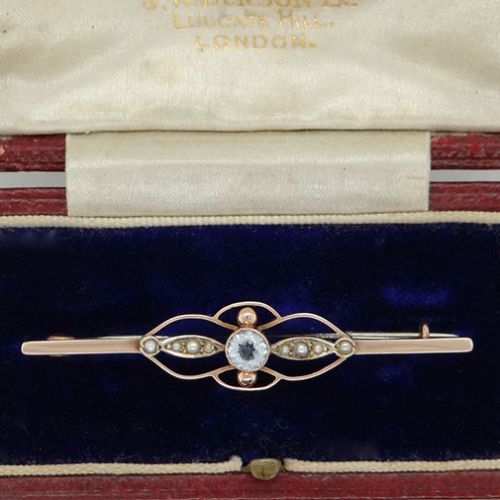
The material comprises an alloy of gold combined with copper to achieve the characteristic pinkish hue, frequently paired with natural gemstones like almandine garnets, almandine, blue topaz, aquamarine and matrix turquoise. Seed pearls and coral elements are secured via traditional settings or wire-work. Certain lockets utilise a construction method termed back and front, applying sheet gold over a base metal core for structural stability.
Chain links and curb bracelets are assembled using soldered or drawn links, often finished with half-engraved surface patterns or hand-chased details. Padlocks and T-bars utilise cast mechanisms combined with spring rings and dog clip clasps. Hallmarks stamped directly into the metal indicate assay offices such as Birmingham and Chester alongside specific date letters.
The inventory records various forms including charm bracelets, guard chains, signet rings and tennis racket charms.
Markers of quality
Differentiation across the range depends largely on the weight of the metal and the crispness of any hand-engraving. Solid curb chains and heavy gate bracelets command attention through their physical heft, whereas hollow links rely on structural integrity to resist denting. The depth and clarity of hallmarks contribute significantly to desirability among collectors.
Stone selection also dictates the tier of the piece, with matched natural gems and uniform seed pearls marking out finer examples. Items retaining original components such as safety chains, matching T-bars and functional heart padlocks demonstrate higher preservation standards.
The 9ct Rose Gold Glossary
- 9ct Rose Gold
- An alloy containing 37.5 percent gold mixed with copper and other metals to produce a warm reddish hue. This alloy gained widespread popularity during the Victorian and Edwardian eras.
- Albert Chain
- A type of watch chain designed to be secured to a waistcoat, featuring a T-bar at one end and a swivel clasp at the other. They often include attached fobs or pendants.
- Gate Bracelet
- A flexible bracelet constructed from linked metal bars resembling a traditional garden gate, usually fastened with a heart-shaped padlock.
- Back and Front
- A construction technique where thin sheets of gold are applied to a base metal interior. This method provided the appearance and wear surface of solid gold while reducing weight and cost.
- Seed Pearl
- Very small natural or saltwater pearls utilised in clusters or floral motifs on Victorian and Edwardian rings and brooches.
9ct Rose Gold: Frequently Asked Questions
How do I care for antique 9ct rose gold jewellery?
Clean these items gently using warm water and a soft cloth to avoid damaging delicate seed pearls or turquoise stones. Harsh chemical dips should be avoided, particularly on pieces containing hollow sections or back and front construction.
Store items individually in soft pouches to prevent scratching between harder gemstone rings and softer gold chain links. Regular inspection of claw settings ensures stones remain secure during wear.
What is an Albert chain used for?
Originally manufactured to secure pocket watches to waistcoats in the nineteenth century, these chains are now typically worn as necklaces or wrapped bracelets. The central T-bar anchored the chain through a buttonhole while the watch sat in a pocket.
Modern wearers frequently detach the watch to utilise the spring rings, dog clips and attached fobs as decorative elements. They represent some of the heaviest surviving examples of period goldwork.
How do I date these items?
Dating relies primarily on official assay office hallmarks stamped into the metal, which include specific letters corresponding to the year of testing. Maker marks and registration numbers also provide precise chronological markers for pieces originating in Birmingham or Chester.
Stylistic indicators such as the heavy proportions of Edwardian gate bracelets or the specific gemstone cuts of the Victorian period help narrow down unmarked pieces. Construction techniques like hand-engraving versus machine stamping offer additional clues.
What makes gate bracelets desirable?
These bracelets are prized for their structural complexity and the satisfying weight of solid links manufactured during the early twentieth century. The inclusion of an original heart padlock adds distinct charm and historical context.
Many examples feature decorative engraving along the alternating bars, showcasing the skill of period metalsmiths. Their robust construction makes them well-suited for daily wear compared to more fragile Victorian items.