



20th Century Wooden Sculpture
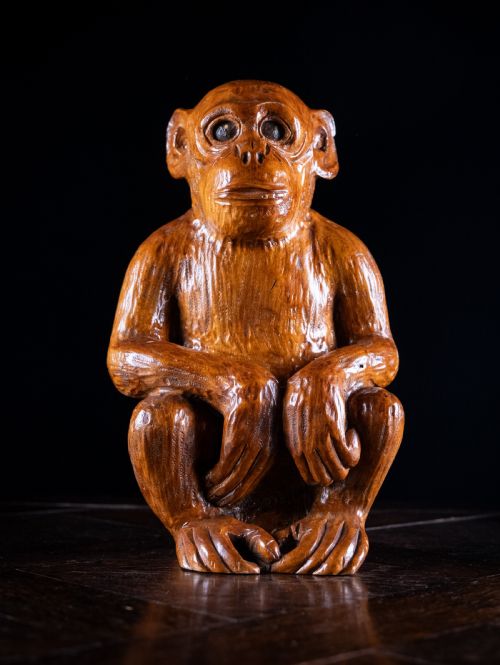
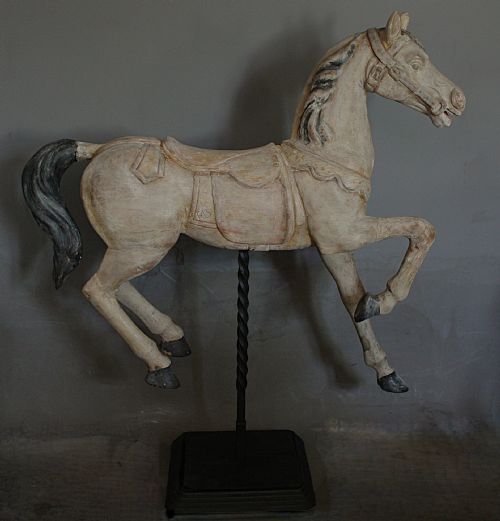
20th century wooden sculpture brings together carved forms, folk figures and turned stands spanning the decades from Edwardian days to the nineteen-forties.
20th Century Wooden Sculpture
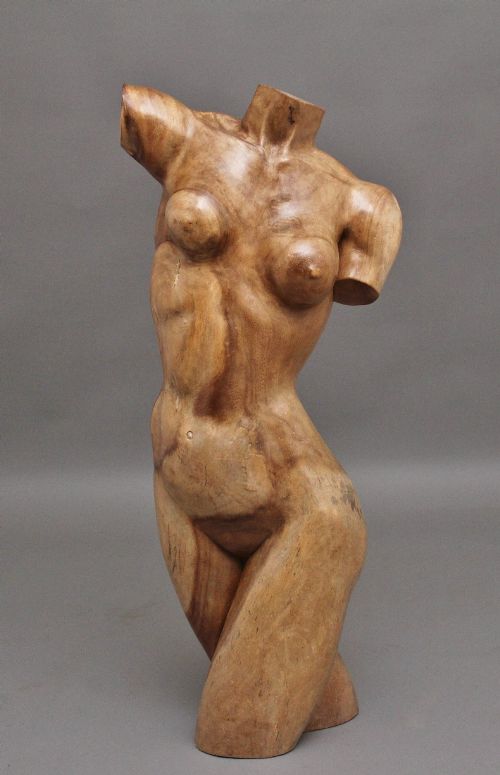
When someone searches for 20th century wooden sculpture, they encounter a diverse range of objects spanning folk art traditions, tribal artefacts, and decorative displays. The selections include carved animal figures, human torsos, fairground fragments, and architectural elements originating from varied global cultures.
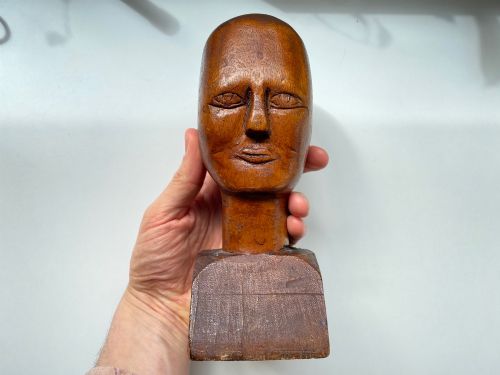
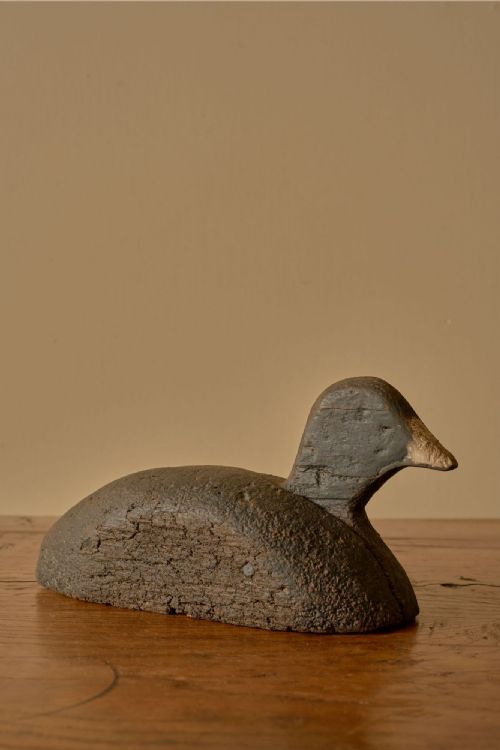
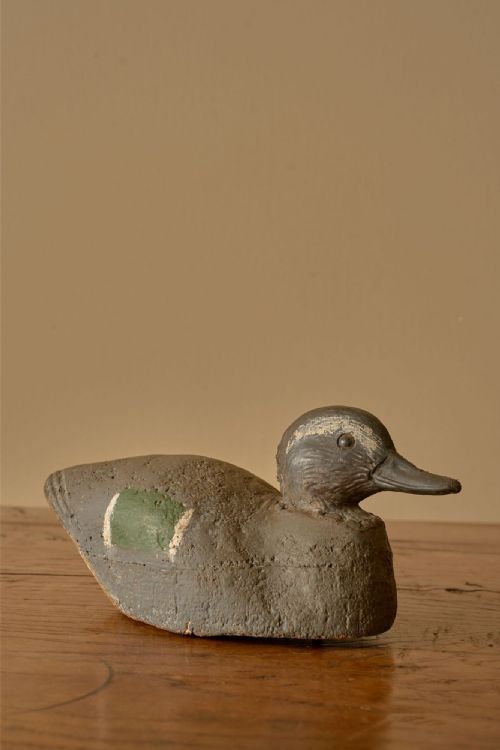
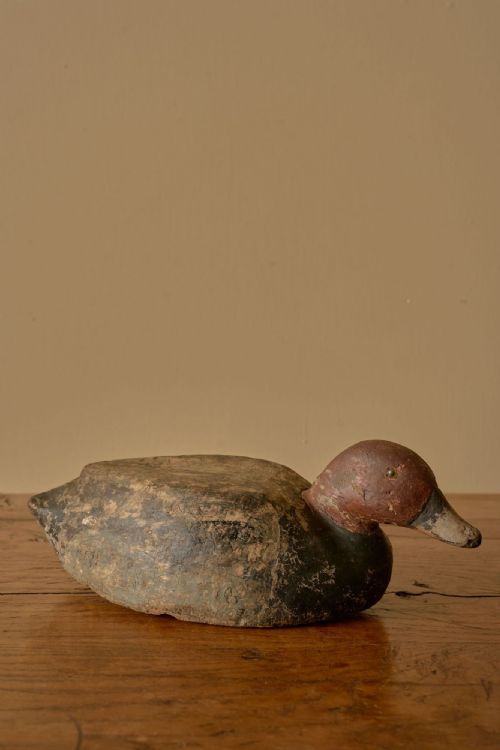
Buyers frequently meet items connected to practical or decorative traditions, such as duck decoys, carousel horses, milliner heads, and towering pedestals. These works reflect the aesthetic values of periods stretching from the Edwardian era through the nineteen-forties.
Regional styles shape these carvings deeply, drawing on American folk traditions, African tribal art, Chinese iconography, and European modernism. Each piece carries the distinct hallmarks of its geographical and cultural origin.
Materials and Techniques
Craftsmen shaped these pieces primarily from solid woods such as mahogany, limewood, birch, mango wood, and assorted hardwoods. Paint, gilt, and ebonised finishes often coat the surfaces to enhance detail or mimic other materials.
Makers utilised hand-carving chisels, turning lathes, and joining techniques to build figures, architectural models, and display plinths. Iron and metal elements occasionally integrate into the wooden structures for support or mechanical motion, as seen in whirligigs and wind spinners.
20th Century Wooden Sculpture Retail Price Guide 2026
Typical asking prices for 20th century wooden sculpture among the pieces listed under this phrase on Sellingantiques today, from the lower quarter to the upper quarter. They describe what is for sale here now, not the wider market.
A working Dutch windmill made of wood shares space here with fairground dragon ride fragments and dancing jigger dolls.
Determinants of Quality
Original surface treatments, such as untouched historical paint layers or patinated gilt, elevate the integrity of a piece. Retaining authentic wear patterns without intrusive modern restoration preserves the historical weight of the object.
Hans Müller·Guido Cacciapuoti
The 20th Century Wooden Sculpture Glossary
- Decoy
- A carved and painted bird or animal figure traditionally used to lure wildlife. Many examples transition into sought-after folk art.
- Écorché
- A figure drawn, painted, or sculpted to show the muscles of the body without skin. These studies serve anatomical and artistic instruction.
- Plinth
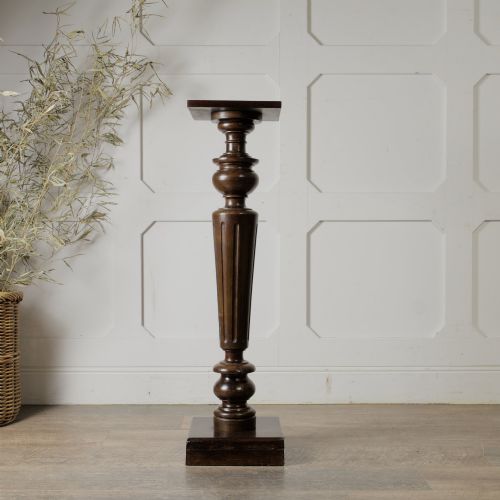
- A heavy base or lower block that supports a statue, vase, or pillar. Turned wooden versions elevate sculptural displays.
- Whirligig
- A wooden toy or folk sculpture with moving parts driven by the wind. They combine carpenter skills with playful kinetic design.
- Reliquary
- A container or guardian figure holding sacred relics. African tribal examples often feature carved wooden heads protecting ancestral remains.
20th Century Wooden Sculpture: Frequently Asked Questions
What defines a 20th century wooden sculpture?
These works encompass carved figures, animals, architectural models, and decorative pedestals produced between the Edwardian era and the nineteen-forties. They reflect diverse international folk traditions alongside early modern design movements.
Materials range from native hardwoods to painted pine, often showing distinct regional carving habits from European, Asian, African, and American workshops.
How were carved wooden decoys used?
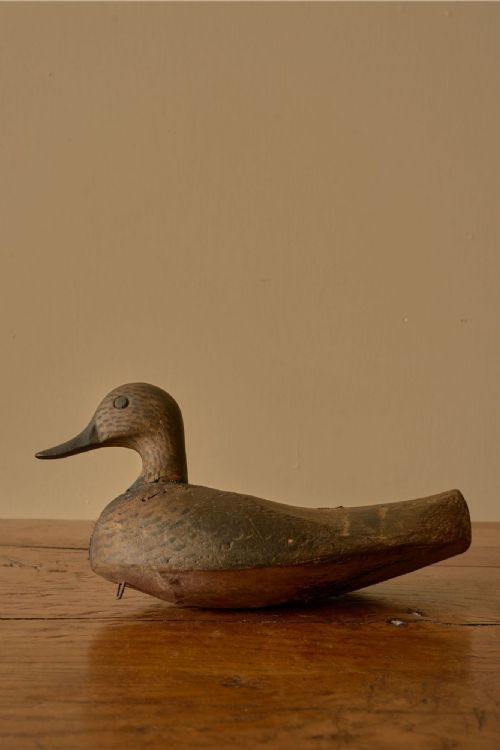
Decoys served as functional working tools for hunters on lakes and marshes, shaped to attract ducks and shorebirds within range. Makers applied hand-painted details to mimic real plumage.
Over time, exposure to weather and handling created natural patinas, leading collectors to value them purely as decorative folk art objects.
Where should I place a heavy wooden pedestal?
Sturdy columns and plinths function best supporting sculptures, large vases, or art objects in rooms with stable humidity. Solid timber requires protection from direct heat sources to prevent cracking.
Pairing a carved wooden stand with complementary period furniture anchors visual displays within an interior space.
How do I identify folk art wooden figures?
Folk art carvings display direct, unpretentious execution by regional makers rather than academy-trained sculptors. They frequently include whimsical subjects like jigger dolls, huntsmen, and fairground fragments.
Tool marks and layered historical paints help distinguish genuine early examples from later decorative reproductions.