



Grey Wooden Sculpture
These grey wooden sculpture pieces bring tactile character and regional narrative into a room, spanning decoy birds, folk animals, and theatrical figures.
Grey Wooden Sculpture
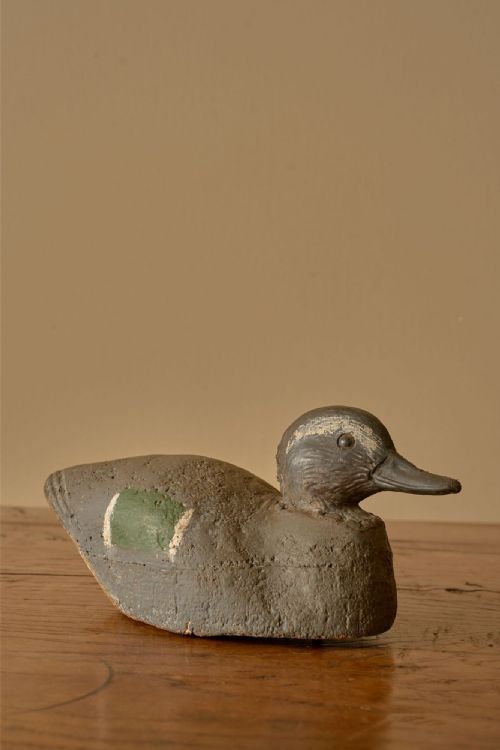
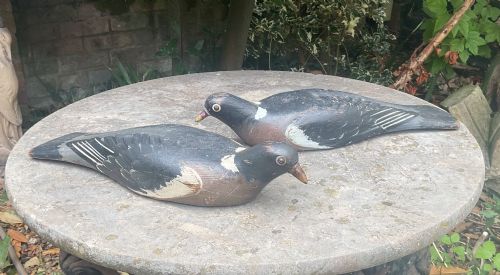
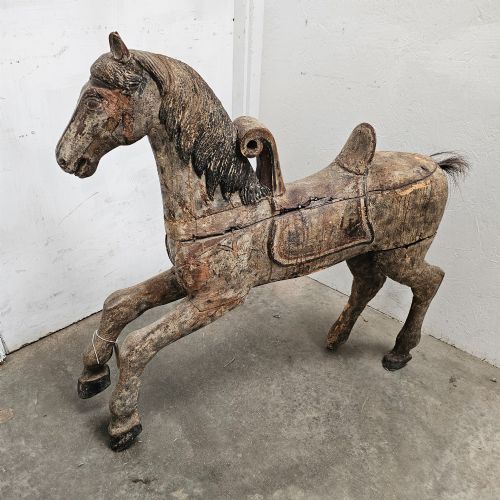
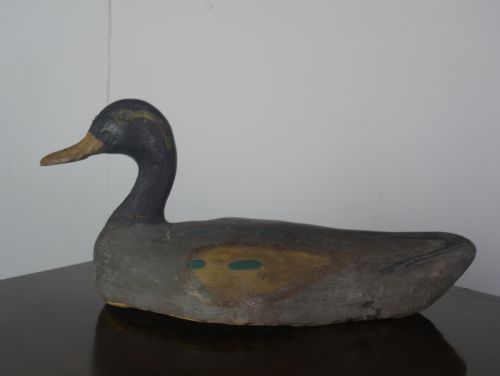
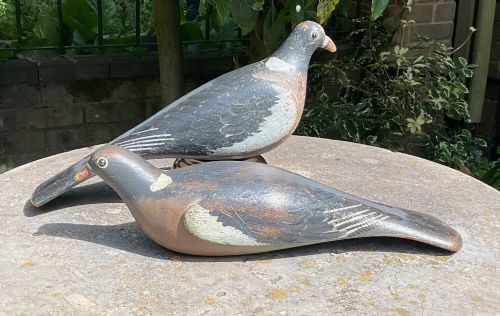
When you search for grey wooden sculpture, you enter a diverse domain of hand-carved objects ranging from utilitarian decoys to decorative figures. The selection includes folk art items such as painted wood decoy pigeons, decoy ducks, and traditional rocking horses originating from English, French, and American makers.
You are most likely to encounter 19th-century and early 20th-century functional carvings that have weathered to neutral tones over decades of use. These works frequently cross over into folk art and theatrical props, showcasing the utilitarian origins of everyday wooden items.
Materials and construction methods
Makers shaped these sculptures from timber and carved wood, frequently applying layers of paint, gesso, and metal fixings to achieve structural integrity and surface detail. Additional elements such as horsehair appear in works like rocking horses, adding authentic texture to the animal forms.
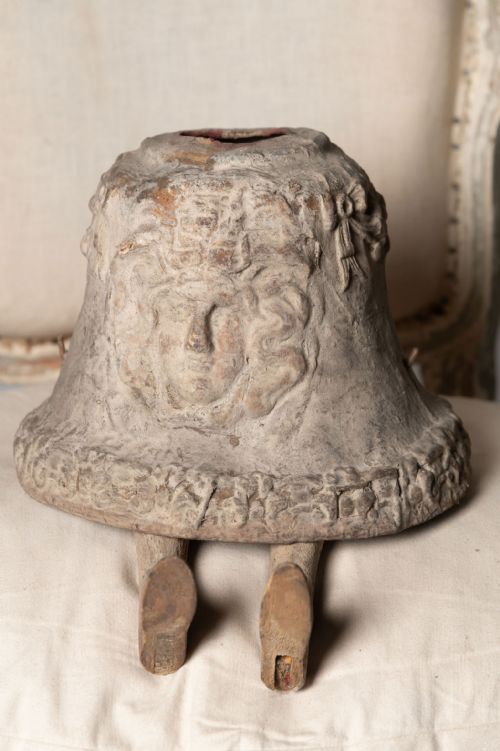
The combination of hand carving and layered surface treatments creates the distinct weathered appearance seen across figures like temple guards, religious carvings, and fairground fragments.
Grey Wooden Sculpture Retail Price Guide 2026
Typical asking prices for grey wooden sculpture among the pieces listed under this phrase on Sellingantiques today, from the lower quarter to the upper quarter. They describe what is for sale here now, not the wider market.
The listings feature wood, paint, gesso, metal, and horsehair across items originating from the 18th, 19th, and 20th centuries.
Assessing craftsmanship and character
Quality in these pieces rests upon the confidence of the carving and the preservation of original surface finishes. Sculptures retaining their early or original paint show a direct connection to their working history, unlike heavily restored surfaces.
The distinction between standard decorative items and exceptional vernacular pieces lies in the anatomical expression of figures such as horses, birds, and cherubs. Master carvers captured movement and form with economy and precision.
The Grey Wooden Sculpture Glossary
- Decoy
- A carved wooden bird or animal traditionally utilised by hunters to attract waterfowl or pigeons. These working objects now form a core category of folk art.
- Gesso
- A plaster-like mixture applied to wood surfaces to provide a smooth base for painting and gilding. It frequently underlies the aged paint layers on period figures.
- Theatrical prop
- An item constructed for stage performances, designed for visual impact from a distance. These pieces often display robust carpentry and dramatic painted finishes.
Grey Wooden Sculpture: Frequently Asked Questions
What is a grey wooden sculpture?
A grey wooden sculpture encompasses hand-carved items shaped from timber, often weathered or painted in neutral tones over time. The category spans utilitarian decoys, folk art figures, and architectural fragments.
These pieces derive their appeal from the combination of organic material and aged surfaces, reflecting diverse regional traditions from the eighteenth century onwards.
How were decoy birds used?
Decoy birds were floated on water or placed in fields to lure wildfowl and pigeons within range of hunters. Carvers shaped them from solid wood to mimic the silhouette and posture of real birds.
After their working life ended, these functional objects gained appreciation for their minimalist form and weathered painted surfaces.
How do I style a wooden sculpture at home?
These sculptural forms suit neutral interiors, rustic settings, and minimalist spaces where their texture and silhouette can stand out. Placing a carved decoy or animal figure on a simple wooden surface highlights its material history.
Keep surrounding objects restrained to let the natural grain and aged paint of the sculpture remain the focal point of the room.
How can I tell the age of a carved wooden figure?
Age is indicated by the tool marks left by the carver, the composition of the timber, and the degradation of any applied paint or gesso layers. Period pieces display natural wear patterns consistent with their utilitarian or decorative history.
Examining the construction methods and fastener types further helps connect a sculpture to eighteenth or nineteenth-century workshops.