


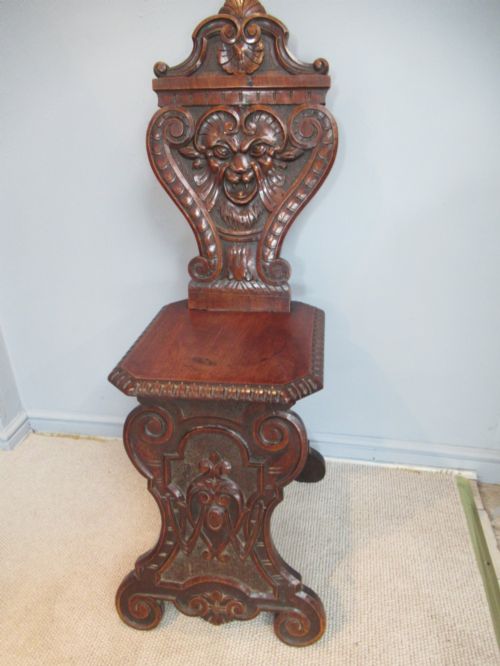


Carved Timber Lion
A carved timber lion brings immediate sculptural presence and historical weight to a room, ranging from fierce architectural guardians to decorative mantel figures.
Carved Timber Lion
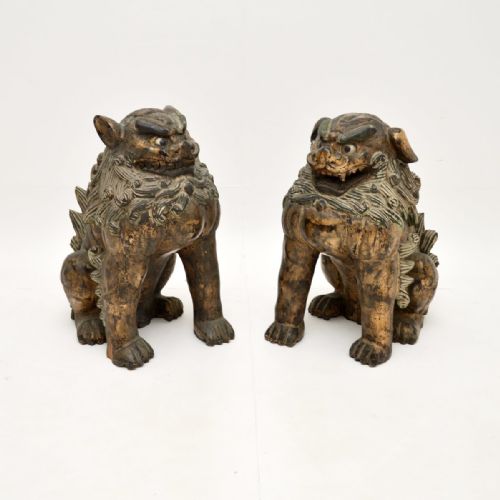
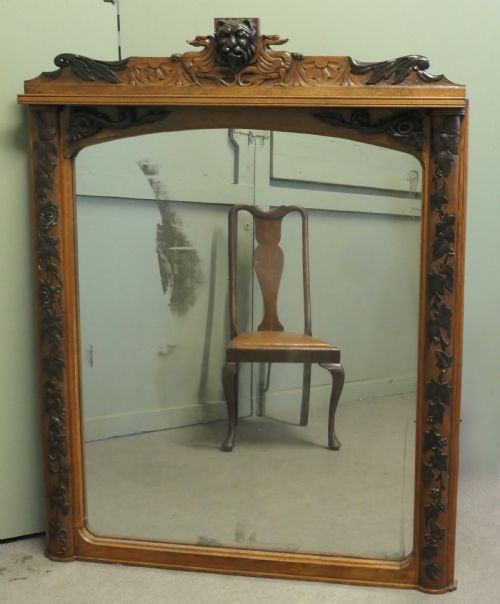
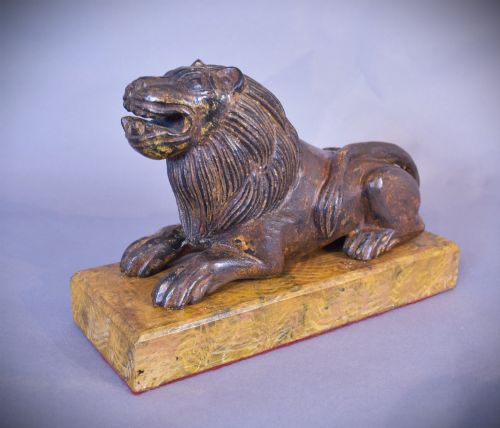
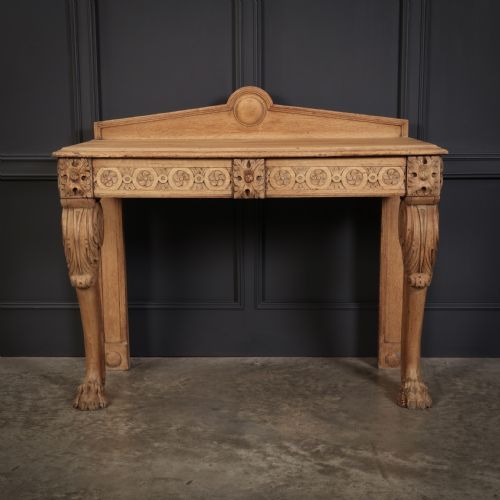
A carved timber lion appears across various historic forms, including wall masks, console tables, newel post finials, and freestanding animal statues. These pieces span from the seventeenth century through the Victorian era and the twentieth century, reflecting shifting domestic and architectural tastes.
Buyers are most likely to encounter nineteenth-century examples alongside earlier seventeenth and eighteenth-century fragments. The selection also includes distinct regional interpretations such as Chinese temple guards, Foo dog statues, and Grand Tour Medici lions.
Objects range from large architectural salvage and life-size sculptures down to smaller decorative ornaments, bookends, and furniture components like hall chairs and rocking armchairs.
Materials and carving techniques
Carvers utilised dense timbers such as oak, walnut, mahogany, padouk, and pine to shape these figures. These hardwoods allowed for deep undercutting and sharp detailing in manes, musculature, and facial expressions.
Surface finishes vary significantly depending on the period and origin, incorporating gilt highlights, polychrome paint, dark wax, or natural bleached wood grains. Some pieces also display traditional lacquering or inlaid detailing alongside the primary timber carving.
Carved Timber Lion Retail Price Guide 2026
Typical asking prices for carved timber lion among the pieces listed under this phrase on Sellingantiques today, from the lower quarter to the upper quarter. They describe what is for sale here now, not the wider market.
Even fierce guardian lions occasionally need to hold your bookshelf upright.
Assessing craftsmanship
Quality rests upon the anatomical understanding and vigour of the carving itself. Superior examples demonstrate a confident handling of bone, muscle, and expression, whereas lesser works appear stiff or formulaic.
The choice and preparation of the timber dictate longevity and visual depth. Dense, well-seasoned woods hold crisp edges over centuries, while poor timber selection leads to dull transitions and compromised structural integrity.
Luigi Frullini
The Carved Timber Lion Glossary
- Newel post finial
- A decorative terminal ornament placed at the top of a staircases main vertical support post. These often took the form of carved animal figures.
- Wall mask
- A sculptural relief head mounted directly onto a wall surface. They frequently served as architectural ornaments or furniture mounts.
- Foo dog
- A traditional Chinese guardian lion statue depicted with stylized curls and fierce expression. They were originally placed outside temples and palaces.
- Grand Tour
- A cultural journey undertaken by wealthy young Europeans in the eighteenth and nineteenth centuries. It brought home classical souvenir sculptures such as Medici lions.
- Padouk
- A durable tropical hardwood with a rich reddish-brown colour. It was frequently utilised in Anglo-Indian furniture and decorative carvings.
Carved Timber Lion: Frequently Asked Questions
Where were carved timber lions placed in historic homes?
These pieces served multiple architectural and decorative functions within historic interiors. Larger figures often anchored staircases as newel posts, sat beneath console tables, or mounted directly onto walls as masks.
Smaller versions functioned as bookends, mantel ornaments, or furniture components. Their placement was designed to project authority, strength, and classical taste.
How do I distinguish between European and Chinese lion carvings?
European interpretations, such as Grand Tour Medici lions or Gothic revival figures, adhere to Western classical sculpture traditions with naturalistic muscle definition and realistic proportions. Chinese temple guards and Foo dogs feature highly stylized manes, open mouths, and guardian symbolism rooted in Asian art.
The choice of timber also offers clues, with native oaks and walnuts typical of European workshops, while Asian pieces often employ distinct regional lacquering and finishing techniques.
How should I care for an antique wooden lion?
Keep wooden sculptures away from direct heat sources, radiators, and strong sunlight to prevent the timber from drying out and splitting. Dust gently with a dry, soft cloth rather than using wet cleaners or modern polishes.
Maintaining a stable indoor humidity helps preserve both the underlying timber and any original polychrome paint, gilt, or surface wax.
What periods are most common for these sculptures?
The majority of available pieces date from the nineteenth century, encompassing Victorian, Gothic Revival, and Grand Tour aesthetics. Earlier seventeenth and eighteenth-century examples do appear, usually as surviving architectural salvage or significant furniture fragments.
Twentieth-century pieces, including mid-century sculptures, also feature alongside these earlier historic works.