
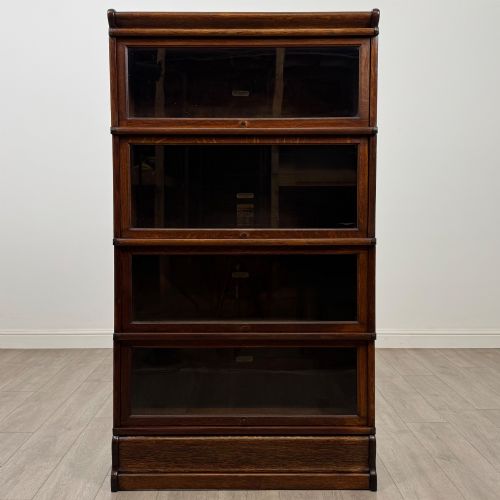
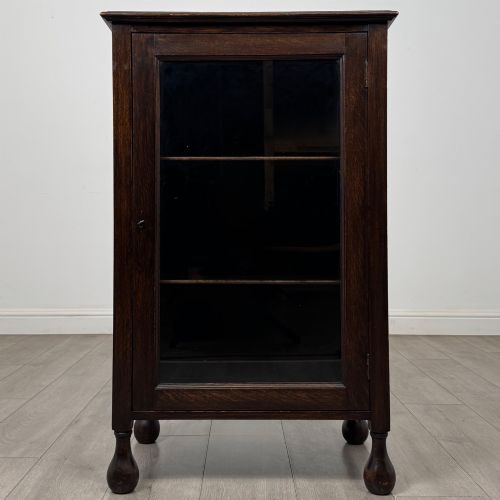
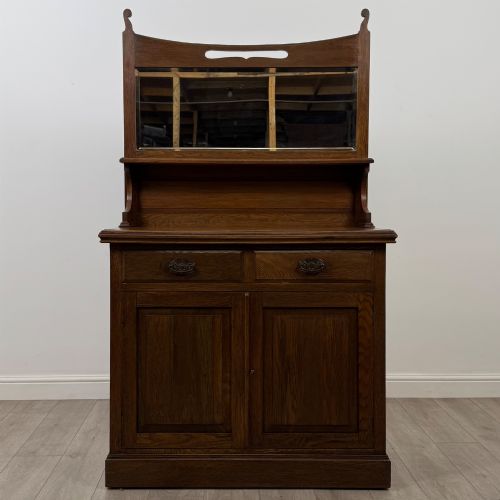
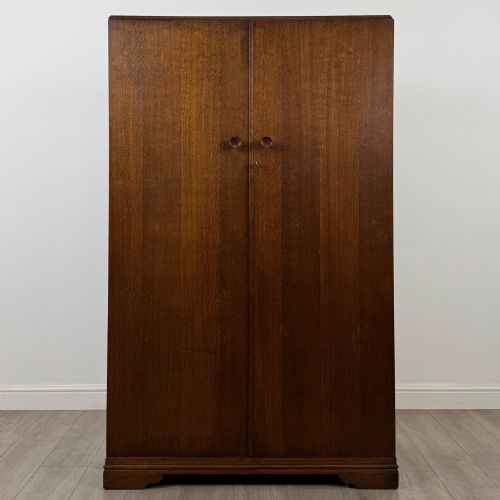
20th Century Oak Cabinet
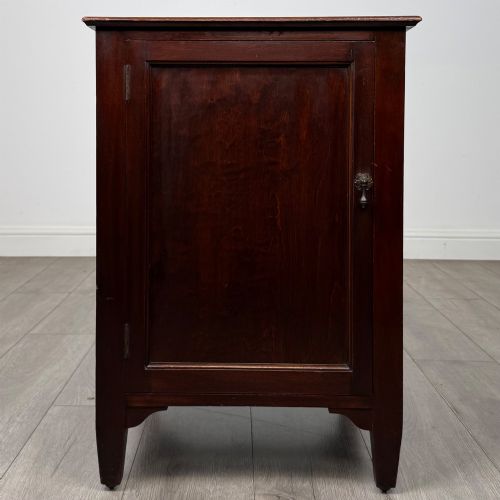
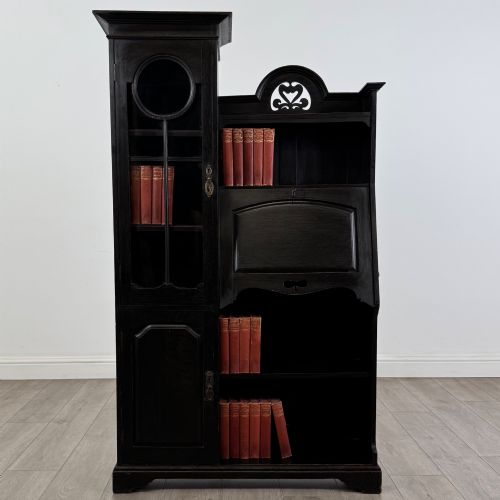
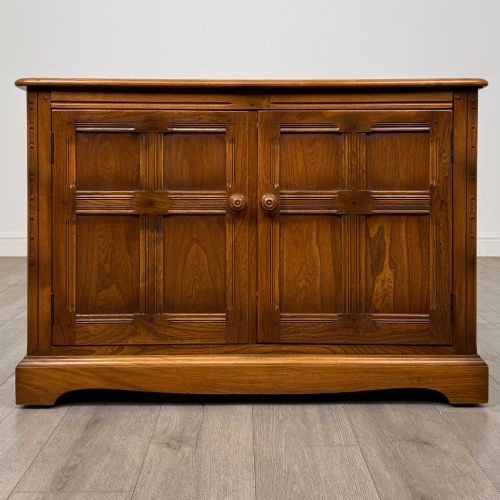
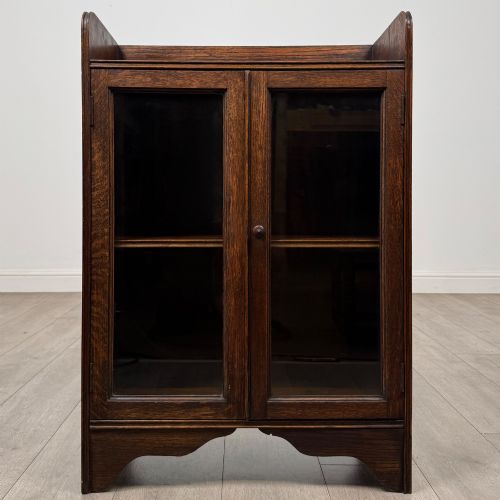
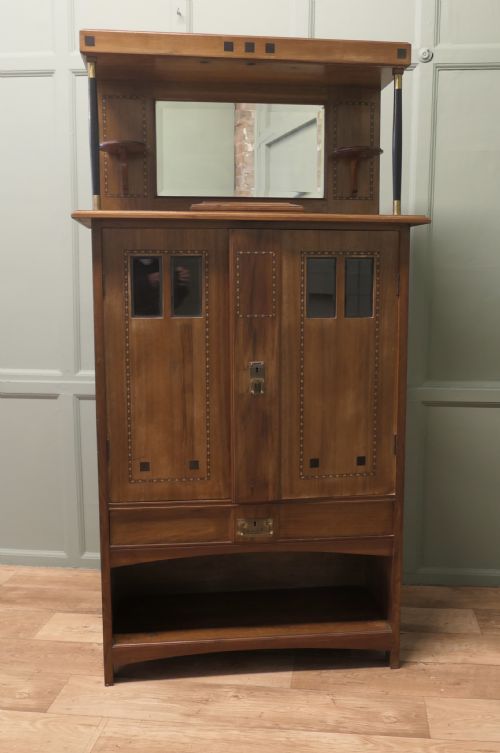
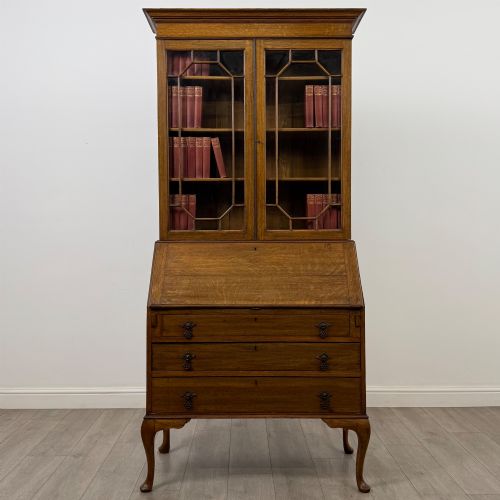
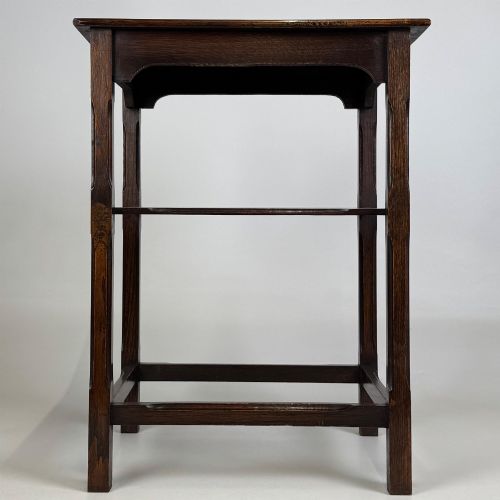
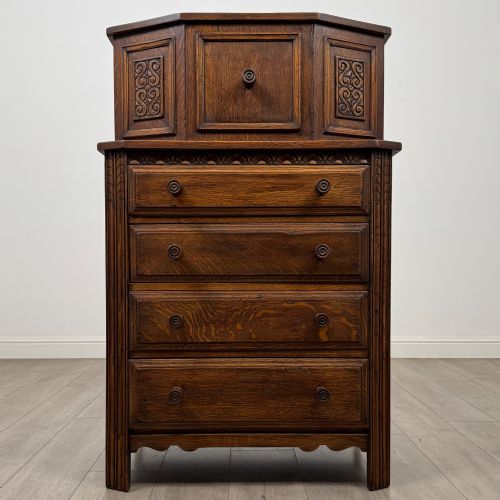
A 20th century oak cabinet brings solid timber grain and practical storage into a room, spanning Edwardian utility and Arts and Crafts design.
20th Century Oak Cabinet
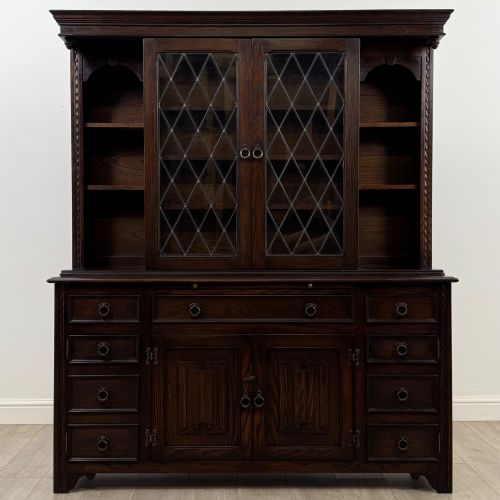
The selection reflects both vernacular English country furniture and formal revival styles like Jacobean and Tudor. Edwardian examples dominate the inventory, often featuring golden oak finishes or traditional carved details.
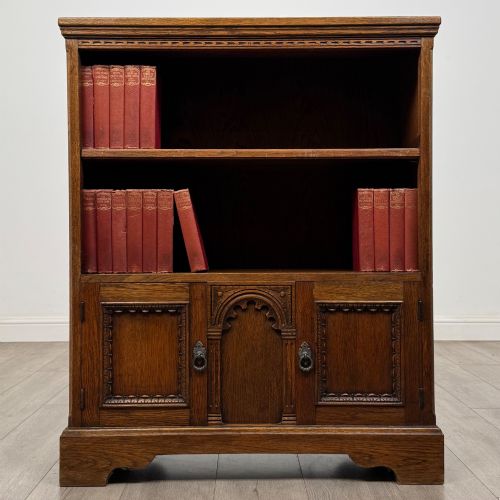
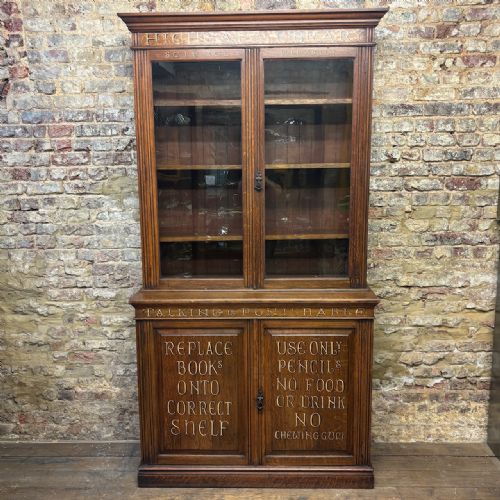
Pieces range from compact bedside cabinets and filing units to large dressers and double bookcases. Each item serves domestic or library functions rooted in early twentieth-century living.
How they were made
Construction relies heavily on solid oak and golden oak, supplemented by stained wood for specific visual effects. Workshops integrated brass, iron, and metal hardware for hinges, handles, and locks.
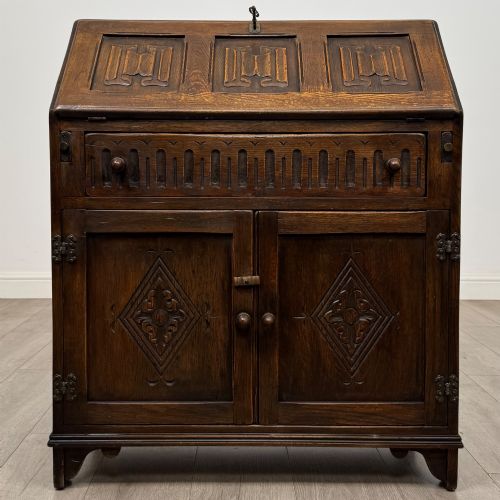
Glass panels appear frequently in glazed display bookcases and cabinets, sometimes held with lead cames. Carved details such as linenfold panels and barley twist supports demonstrate traditional woodworking techniques.
20th Century Oak Cabinet Retail Price Guide 2026
Typical asking prices for 20th century oak cabinet among the pieces listed under this phrase on Sellingantiques today, from the lower quarter to the upper quarter. They describe what is for sale here now, not the wider market.
Listings feature periods spanning Edwardian eras and the 1900s through 1930, utilising oak, brass, glass, and iron.
What varies in quality
The degree of hand-carving and the selection of timber grain dictate the distinction between standard utility furniture and finer decorative pieces. Superior items display well-figured golden oak and crisp linenfold or relief carving.
Hardware choice and glazing integration also differentiate cabinet grades, with lead-glazed panels and solid brass fixtures representing higher levels of workshop execution.
ARTHUR BASIL REYNOLDS
The 20th Century Oak Cabinet Glossary
- Linenfold
- A carved wooden panel motif designed to resemble folded parchment or linen cloth. This technique is frequently seen on Edwardian cupboard doors and bureau fronts.
- Golden Oak
- A warm, honey-toned finish applied to oak timber to highlight the natural grain. It is a common characteristic of Edwardian domestic furniture.
- Barley Twist
- A turned column or leg resembling a twisted rope. This decorative support appears on sideboards and tables from the period.
- Tambour
- A flexible shutter made of narrow strips of wood glued to canvas, allowing doors to slide around a curve. It is found on specialised office and filing cabinets.
- Lead Glazing
- Small panes of glass held together by lead cames rather than wooden muntins. This method creates decorative geometric patterns across display cabinet doors.
20th Century Oak Cabinet: Frequently Asked Questions
What rooms suit a 20th century oak cabinet?
These cabinets fit easily into studies, living rooms, and dining spaces where traditional timber furniture provides functional storage.
Smaller bedside or music cabinets adapt well to tighter spaces, while larger dressers and bookcases anchor main rooms.
How do I identify an Edwardian oak cabinet?
Edwardian examples typically combine solid oak or golden oak timber with brass or iron hardware and traditional carved motifs.
Look for characteristics like linenfold panels, barley twist legs, and lead-glazed doors common to the period.
Were these cabinets used in offices?
Many early twentieth-century pieces served commercial and institutional purposes, including school libraries and business offices.
Surviving examples feature specialised storage formats such as multi-drawer filing units and tambour fronts.
How should I care for golden oak timber?
Maintain the finish by dusting regularly with a soft cloth and avoiding direct sunlight that can alter the honey tone.
Applying occasional appropriate wax preserves the surface sheen without damaging the historical wood.