


19th Century Wood Vessel
A 19th century wood vessel brings domestic utility and artisan carving together, offering tactile charm and rich grain to any room.
19th Century Wood Vessel
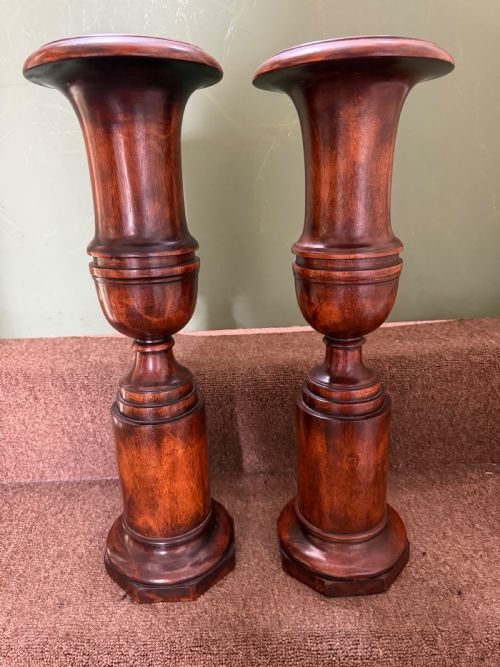
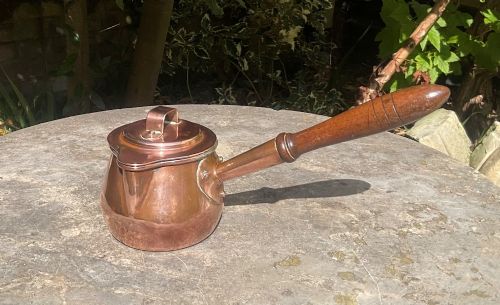
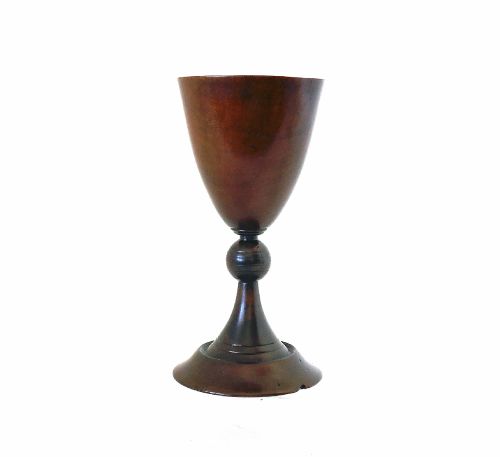
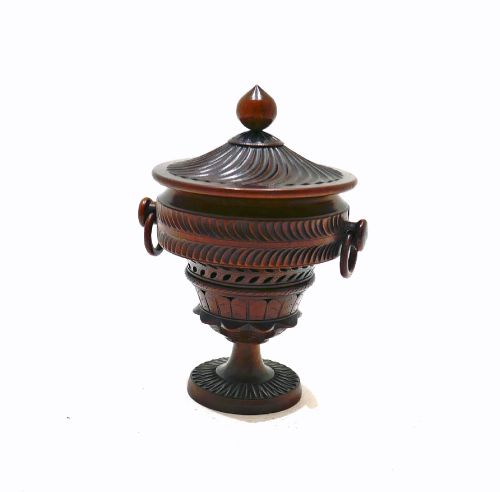
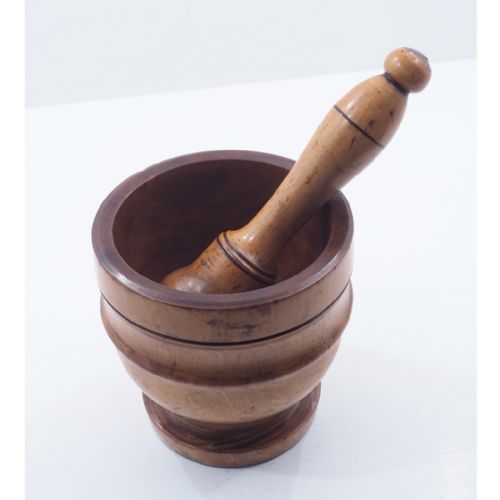
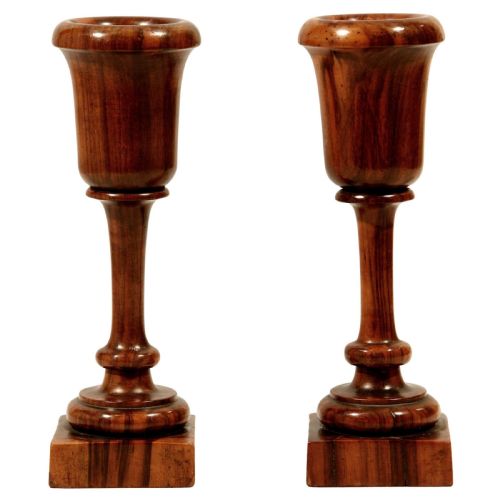
When you search for a 19th century wood vessel, you encounter a broad assortment of utilitarian and decorative objects shaped from timber during the 19th century, Georgian, and Regency periods. These items range from turned dairy bowls and fruitwood goblets to coopered pine barrels and carved lidded chalices.
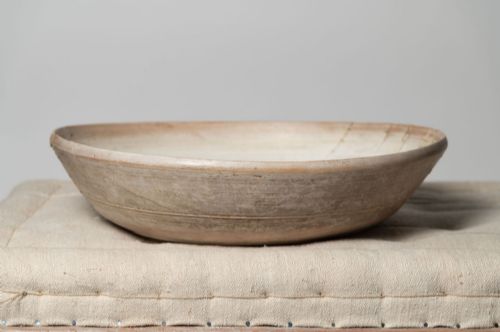
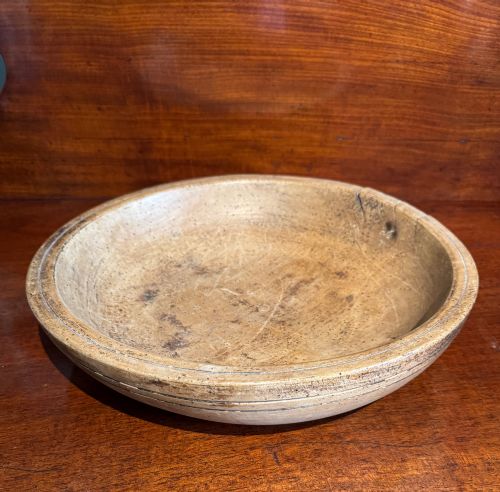
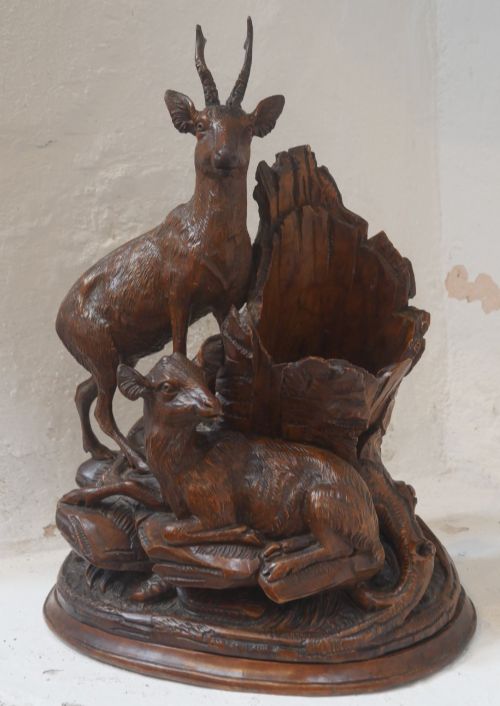
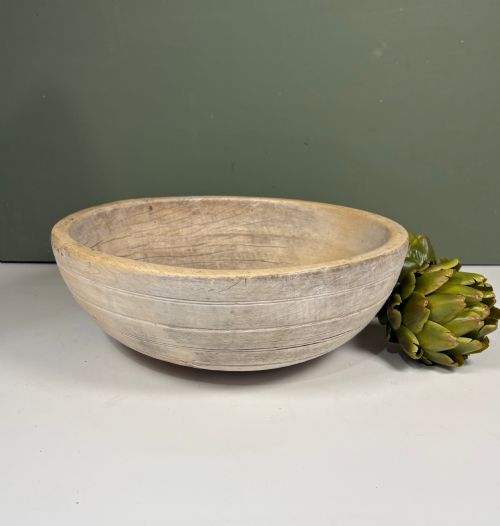
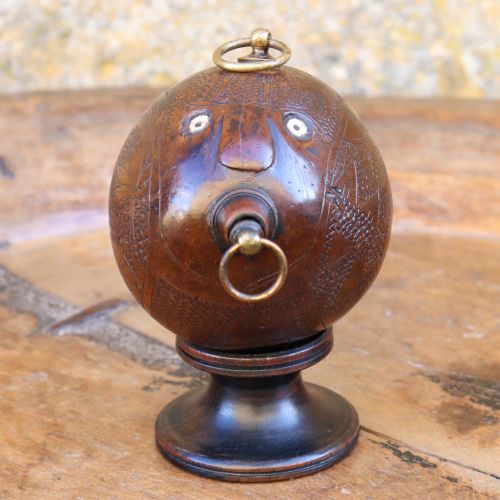
The version most likely to meet you on this page is a turned sycamore or walnut bowl, often originating from English, Swedish, or French workshops. Alongside these domestic containers appear spill vases, spice pots, and carved coconut flasks that reflect both folk traditions and refined craftsmanship.
How they were made
Woodturners shaped many of these items on a lathe, utilising dense hardwoods such as walnut, fruitwood, lignum vitae, and sycamore to achieve symmetrical vessels like goblets and urns. Other pieces, particularly large dairy bowls and storage containers, rely on traditional coopering techniques with pine or oak staves bound by metal or wood.
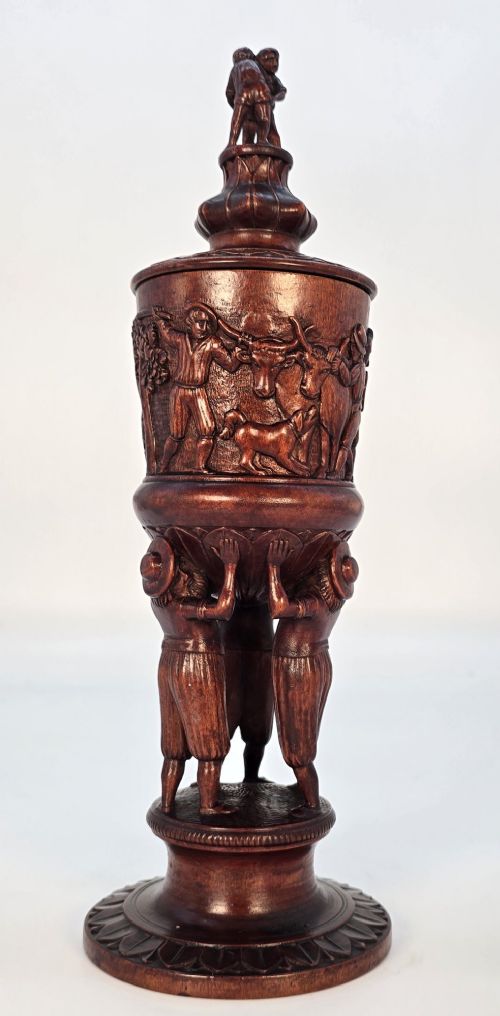
Carving and surface treatment define the more ornate examples, with Swiss and Black Forest pieces showing intricate hand-carved animal or botanical motifs. Many items retain applied paint, carved relief details, or turned elements that demonstrate the joiner's mastery of the material.
Current listings feature items fashioned from walnut, sycamore, mahogany, oak, fruitwood, pine, and yew wood.
What varies in quality
The quality of a turned timber container rests primarily on the crispness of the turning and the proportional balance of the form. Superior examples display clean profiles, thoughtful wall thickness, and timber selected for attractive grain pattern rather than utility alone.
Surface integrity and age-related wear also separate standard utilitarian items from finer decorative pieces. A vessel that retains its original turned finish, well-defined hand carving, and a warm, honest patina commands greater appreciation than one stripped or heavily altered by later refinishing.
The 19th Century Wood Vessel Glossary
- Treen
- Small handmade wooden domestic objects. The term derives from an archaic word for tree and encompasses items like trenchers, cups, and bowls.
- Dairy bowl
- A wide, shallow wooden vessel utilised for setting milk to allow the cream to rise. Sycamore is the traditional timber for these due to its resistance to absorbing odours.
- Coopered
- Constructed from curved wooden staves fitted together to form the sides of a cylindrical or conical container. Metal or wooden hoops bind the structure tight.
- Goblet
- A drinking vessel featuring a bowl supported by a stem and foot. Turned examples in fruitwood or walnut appear frequently among domestic treen.
19th Century Wood Vessel: Frequently Asked Questions
How do I care for antique wood vessels?
Keep wooden vessels away from direct sunlight and sudden temperature shifts to prevent the timber from splitting or warping. Applying occasional neutral wax helps maintain the surface sheen.
Avoid washing them in water or using harsh cleaning agents, opting instead for a soft, dry cloth to remove dust gently.
What is treen?
Treen refers to small, functional wooden objects created for household use before mass production took over. This category includes items such as spice pots, small bowls, and drinking vessels.
Collectors prize treen for its display of traditional turning skills and the rich patina developed through generations of handling.
How can I tell fruitwood from walnut?
Fruitwood typically exhibits a warm, pale reddish-brown tone with a tight, smooth grain pattern suited for detailed turning. Walnut generally presents a darker, richer brown colour with visible grain figuring and greater weight.
Both timbers were favoured by turners for their stability and pleasant finish.