
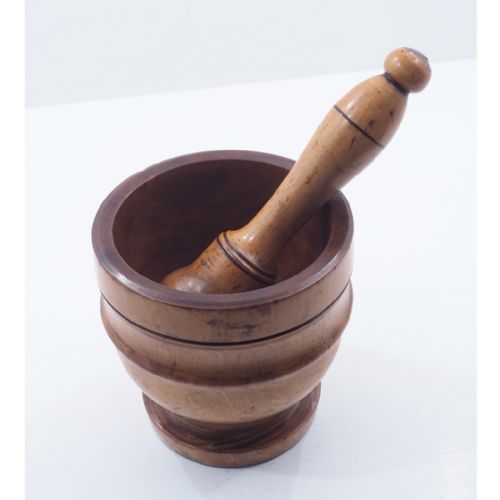


Victorian Turned Bowl
These victorian turned bowl pieces bring honest nineteenth-century craft into modern rooms, prized for their tactile warmth and practical utility.
Victorian Turned Bowl
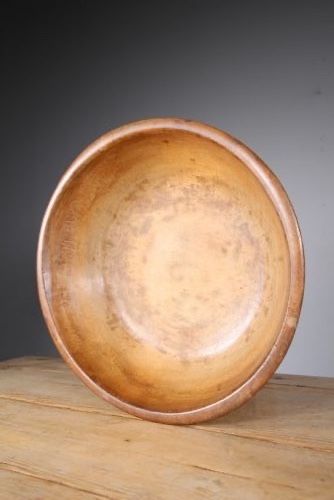
A victorian turned bowl represents the intersection of domestic utility and lathe-turning skill from the nineteenth century. These objects include sycamore dairy vessels, walnut treen pieces, and fruitwood utilitarian items.
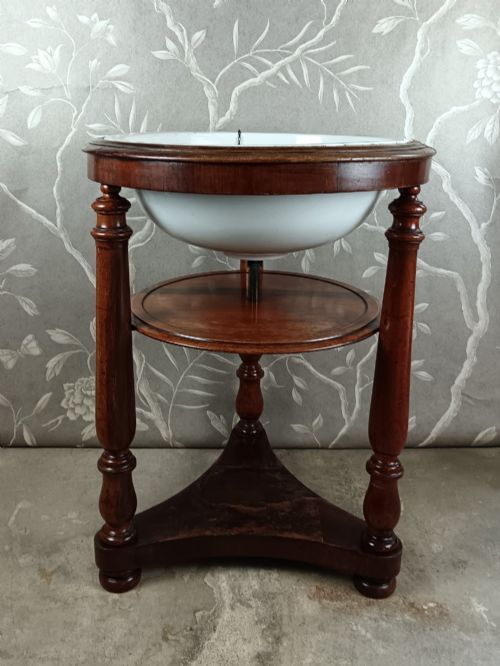
The versions most commonly met on this page span the nineteenth century, including pieces from eighteen-fifty and eighteen-ninety. They take forms such as dairy bowls, washstands, and tazzas created in various regional traditions.
Makers shaped these items for functional household tasks, from milk processing to pharmacy work. Over generations, their purpose shifted from daily drudgery to decorative display.
How they were made
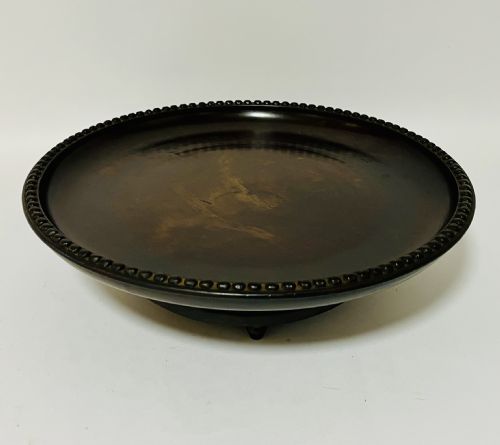
Turners shaped green or seasoned timber on a lathe, utilising woods such as sycamore, mahogany, walnut, and fruitwood. The process left characteristic tool marks and balanced circular profiles.
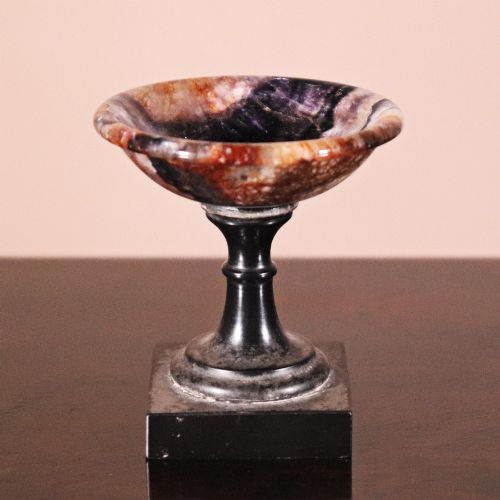
Makers occasionally combined turned wood with other materials like brass, ceramic, black marble, and blue john stone. This mixture of media reflects the diverse workshops of the period.
Several dairy bowls survived decades of vigorous scrubbing by nineteenth-century dairymaids, leaving their interior rims exceptionally smooth.
What varies in quality
Quality rests in the proportional balance of the turned wall and the crispness of the rim profile. Thicker, heavier sections contrast with thinner, more delicate vessel walls shaped by skilled hands.
The depth of the natural patina and the preservation of the original timber surface dictate visual appeal. Pieces retain their character through honest wear and age-softened grain patterns rather than excessive restoration.
The Victorian Turned Bowl Glossary
- Sycamore wood
- A pale, close-grained timber traditionally chosen for dairy vessels because it resists absorbing flavours and liquids. It develops a warm golden honey tone over time.
- Treen
- Small handmade wooden household objects produced before the era of mass manufacturing. The term derives from old English words for tree or wood.
- Tazza
- A shallow ornamental bowl or cup raised on a high foot and stem. These decorative vessels often featured stone or turned wood.
- Patina
- The surface sheen and colour acquired by materials through decades of handling, polishing, and environmental exposure. It serves as an indicator of genuine age.
Victorian Turned Bowl: Frequently Asked Questions
What were turned wooden bowls used for?
Households used these turned wooden items for daily kitchen tasks, dairy processing, and food preparation. Sycamore dairy bowls held milk and cream during butter making.
Over time, exposure to moisture and scrubbing created the soft contours and tactile surfaces that collectors value today.
How do I care for antique turned wood?
Keep wooden pieces away from direct sunlight, central heating sources, and sudden temperature shifts. These environmental extremes cause timber to dry out, warp, and split.
Apply a light microcrystalline wax occasionally to nourish the dry wood fibres. Avoid washing them in water or placing them in dishwashers.
Are these bowls safe for serving food?
Most nineteenth-century turned vessels accumulated residues from milk, flour, or medicinal substances over decades of use. Historic finishes and porous timber make modern food hygiene impractical.
Treat these items as decorative objects or dry displays rather than active kitchenware.
How can I tell the age of a turned bowl?
Examine the exterior profile, tool marks left by the lathe, and the species of timber used. Nineteenth-century examples often display irregular hand-turned ridges rather than uniform modern machine cuts.
Assess the natural wear patterns around the rim and base alongside the depth of the surface patina.