
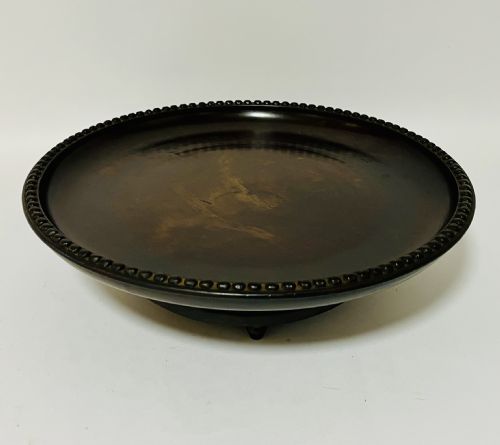


Vintage Turned Wood Dish
These vintage turned wood dish examples and related treen forms bring tactile warmth and historic grain into any room.
Vintage Turned Wood Dish
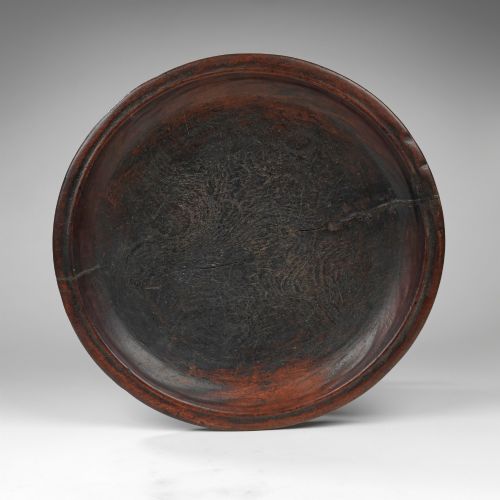
A vintage turned wood dish encompasses carved and lathe-turned vessels, bowls, platters, and dished tops found across domestic and vernacular categories. Buyers searching this phrase often encounter utilitarian treen and serving pieces shaped from native and exotic timbers.
The pieces listed here span centuries of turning traditions, ranging from Georgian dairy bowls to 19th-century sycamore and walnut vessels. Regional English country craftsmanship sits alongside Swiss folk art examples and larger platters meant for fruit.
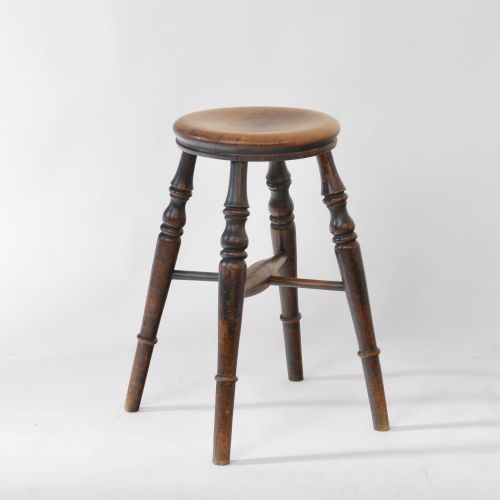
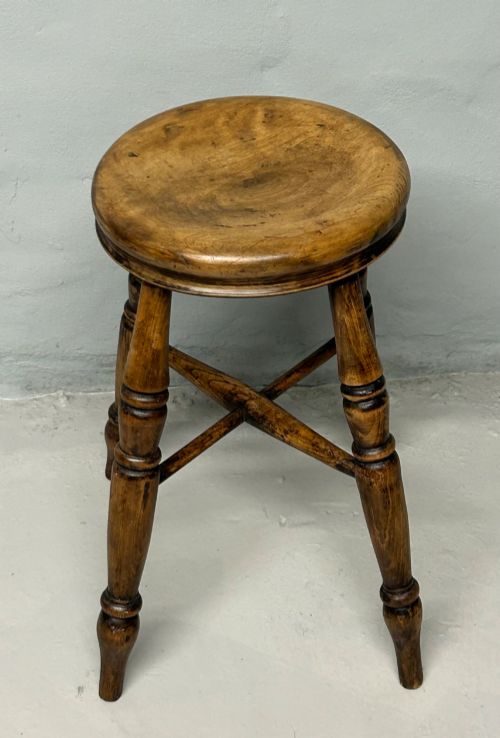
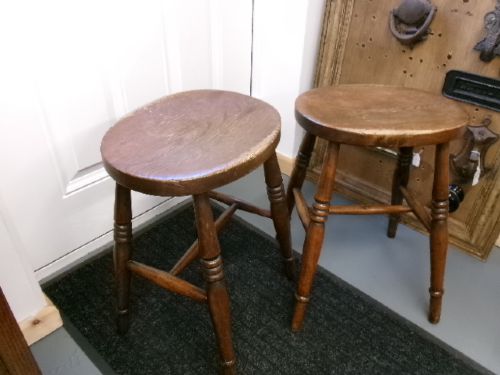
Alongside actual shallow dishes and platters, the selection includes dished tavern stools, candle stand tops, and bowl stands that share the same lathe-turned heritage. Each object relies on circular geometry and visible timber grain for its primary visual impact.
Materials and turning methods
Turners shaped these objects on lathes using dense hardwoods such as mahogany, walnut, oak, elm, sycamore, ash, and yew. Selecting timber with character allowed the natural figuring of the grain to become the main decorative feature of the dish or vessel.
Working green or seasoned timber required specialised gouges and chisels to pare away wood while the lathe rotated. Makers utilised local forestry resources, resulting in robust sycamore dairy vessels, beech and elm tavern stools, and finely grained fruitwood treen.
Factors that define better examples
Quality rests in the balance of the turning profile and the preservation of the timber surface over generations of use. A well-proportioned rim and a stable base show the turner's skill in managing the natural movement of the wood as it dried.
Surface patination reveals how a piece was handled and maintained, separating honest vernacular domestic objects from over-restored items. Crisp tool marks, deep patination from natural oils, and minimal structural timber loss command higher regard among collectors.
The Vintage Turned Wood Dish Glossary
- Treen
- Small handmade wooden household objects collected for their domestic utility and material honesty. This term covers everything from turned bowls to spoons and small stands.
- Sycamore
- A pale, close-grained hardwood traditionally favoured for dairy vessels and kitchen treen because it resisted imparting flavours to food. It ages to a warm, honey tone.
- Vernacular
- Everyday objects made by local craftspeople for practical use rather than following high-style academic design. Welsh and English country pieces fall squarely into this honest tradition.
- Lathe
- A machine tool that rotates wood against cutting bits to create symmetrical circular forms. Turned dishes and bowls rely entirely on this rotational process.
Vintage Turned Wood Dish: Frequently Asked Questions
What is a vintage turned wood dish?
It is a bowl, platter, or dished wooden surface shaped on a lathe and seasoned through years of domestic use. These objects range from utilitarian dairy bowls to decorative fruit platters.
Many examples derive from English, Welsh, and continental workshops, displaying the distinct grain patterns of timbers like sycamore, walnut, and mahogany.
How can I tell the age of a turned dish?
Age is judged by tool marks left from lathe work, the type of timber used, and the depth of the surface patination accumulated through handling. Georgian and 19th-century pieces often show distinct circular scoring underneath from mounting methods.
Wear patterns around the rim and base also indicate decades of active service in domestic environments.
Were these dishes meant for food?
Many historical turned vessels, particularly dairy bowls and platters, were constructed for food preparation and serving. Sycamore was chosen specifically for bowls because the wood is clean-tasting and dense.
Today, collectors evaluate these items primarily as decorative display pieces due to their age and fragile surface patination.