




19th Century Welsh Pottery
These pieces of 19th century welsh pottery bring vibrant hand-painted patterns and rich earthenware forms straight to your table.

19th Century Welsh Pottery
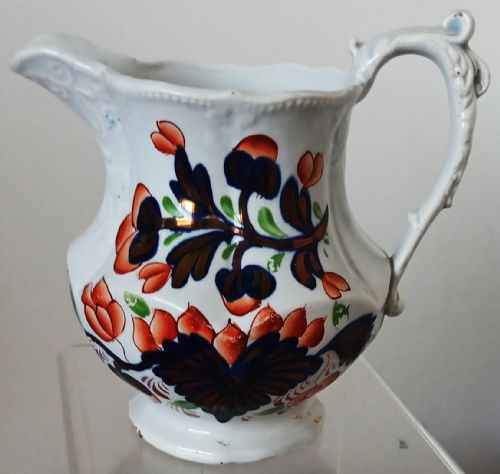
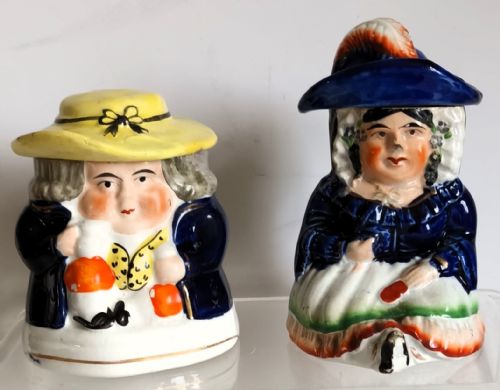
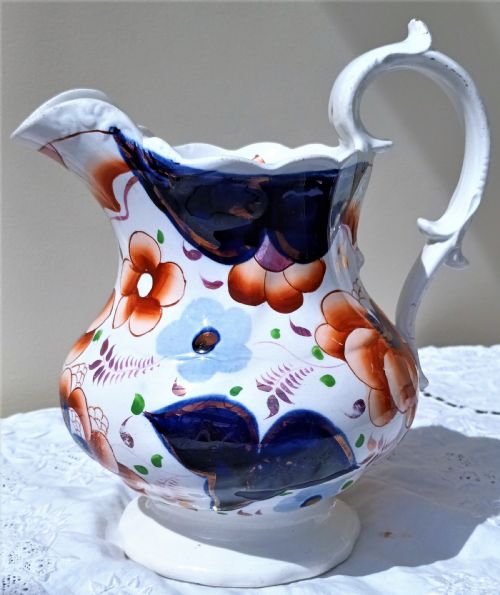
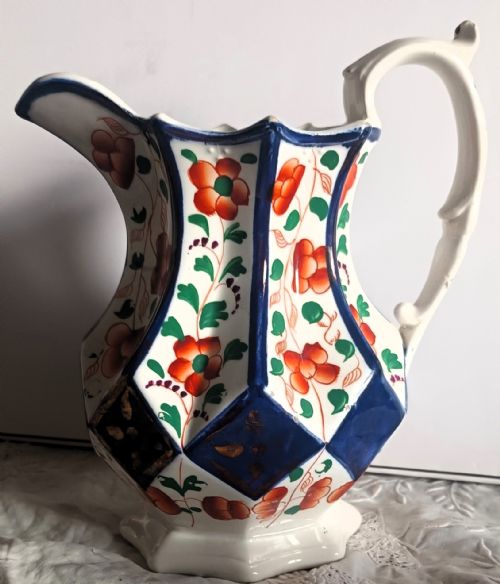
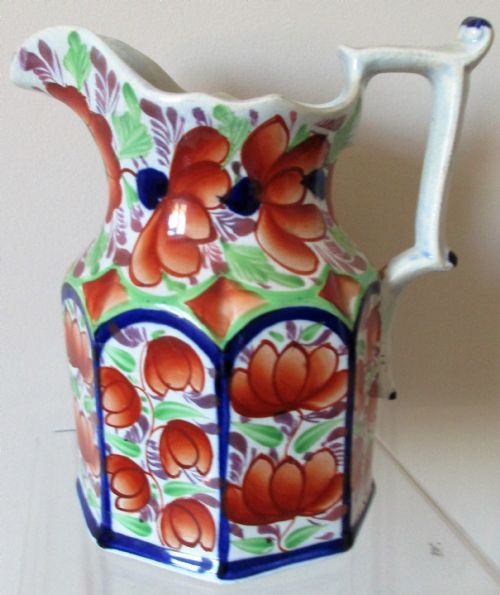
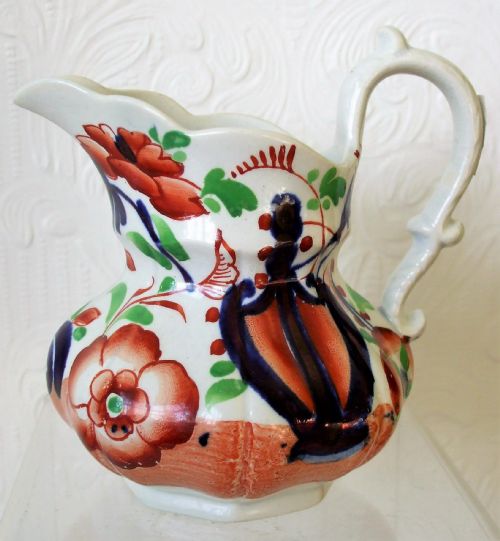
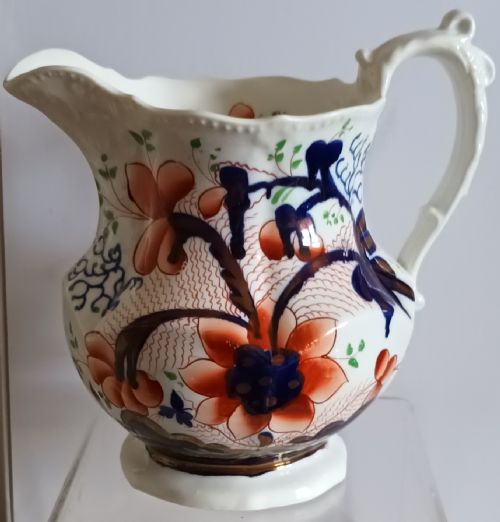
When you search for 19th century welsh pottery, you encounter a distinct group of earthenware objects created during the Georgian and Victorian eras. These items largely showcase the robust styles of Victorian folk art alongside the vivid motifs of Gaudy Welsh wares.
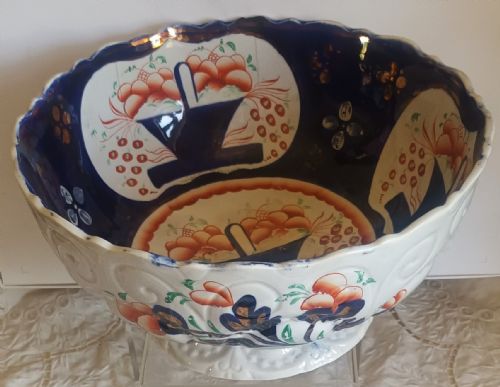
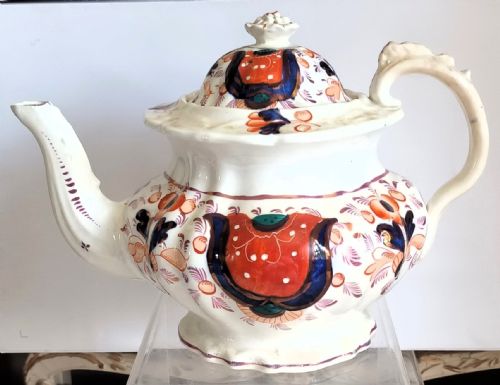
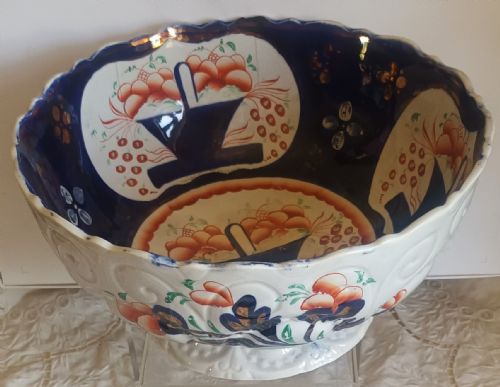
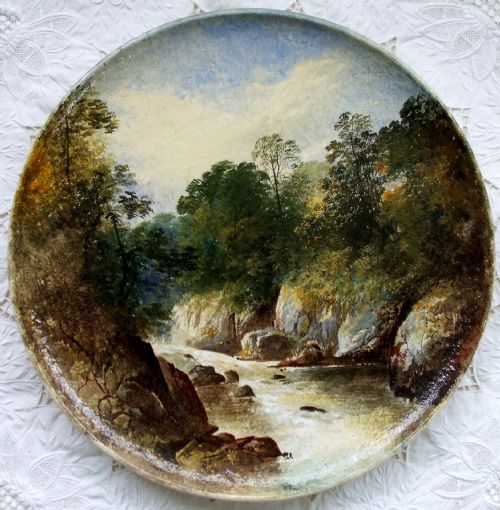
The selections on this page centre heavily on jugs and pitchers, alongside decorative bowls, tobacco jars, teapots, basins, and commemorative plaques. You will frequently meet Gaudy Welsh pottery decorated with named patterns such as Bethesda, Grape, Drape, Basket of Flowers, Harlech, Gwent, Pagoda, Celyn, and Aberaeron.
The forms range from utilitarian vessels to decorative footed bowls and large toilet basins. Alongside these, pearlware loving cups and specialised pottery plaques provide a broader view of nineteenth-century ceramic production.
How they were made
Potters shaped these objects from earthenware and ironstone, building the bodies before applying a protective glaze. Many pieces also received pearlware treatments or copper lustre finishes to catch the light.
Makers applied hand-painted enamel colours directly onto the pottery, often utilising rich cobalt blues, coppers, and pinks. These pigments were then fired to bond permanently with the underlying ceramic surface.
The listings here span the 19th century, focusing on earthenware and ironstone forms decorated with enamel, glaze, and copper lustre.
What varies in quality
Quality in these ceramics rests upon the crispness of the hand-painted enamel work and the vibrancy of the glaze. Pieces with clear, well-defined pattern details stand apart from simpler iterations.
The complexity of the form also dictates the standard, as seen in elaborate footed bowls and double-handled loving cups compared to standard pitchers. Superior examples maintain rich copper lustre details and balanced proportions across the entire ceramic body.
The 19th Century Welsh Pottery Glossary
- Earthenware
- A porous ceramic material fired at lower temperatures, requiring a vitreous glaze to hold liquids. It forms the body of most nineteenth-century jugs and basins.
- Copper Lustre
- A metallic glaze application that produces a reflective, coppery sheen across the surface of the pottery. It is frequently found highlighting specific design borders.
- Gaudy Welsh
- A distinctive style of brightly coloured pottery created for everyday use, renowned for cobalt blue, iron red, and copper lustre decoration. Collectors prize named patterns such as Grape and Basket of Flowers.
- Pearlware
- A refined type of earthenware featuring a thin glaze with a slight bluish tinge pooled in crevices. It was developed to mimic the whiteness of Chinese porcelain.
- Ironstone
- A heavy, durable type of earthenware patented to resist chipping and cracking. It provided a sturdy base for teapots and large tableware.
19th Century Welsh Pottery: Frequently Asked Questions
What is Gaudy Welsh pottery?
Gaudy Welsh pottery refers to brightly decorated earthenware produced during the nineteenth century for domestic use. These items are instantly recognisable by their bold hand-painted motifs and abundant use of copper lustre.
Potters applied these vivid enamels to create named patterns like Pagoda and Harlech. The style remains a firm favourite among collectors of regional British ceramics.
How do I identify patterns?
Patterns are usually identified by specific visual motifs such as floral baskets, grapevines, or architectural pagoda scenes. Many of these designs were given descriptive names by potters and collectors.
Examining the enamel colours and the surrounding copper lustre details will often point you toward a specific named pattern like Celyn or Gwent.
Were these jugs used daily?
Most of these earthenware jugs and pitchers were created for practical service in nineteenth-century homes. They handled everyday tasks involving liquids before eventually transitioning to display pieces.
Their robust ironstone and earthenware construction allowed them to withstand heavy daily use. Over time, surviving examples shifted from pantries to collector display cabinets.
How do I care for my pottery?
These nineteenth-century ceramics require gentle handling and should be washed by hand in lukewarm water using mild soap. Avoid abrasive sponges or harsh detergents that could damage the historic enamel and glaze.
Keep them away from rapid temperature changes and modern dishwashers to protect the delicate copper lustre finish. Proper placement away from direct sunlight will also preserve the hand-painted colours.