


Cobalt Blue Floral Pitcher
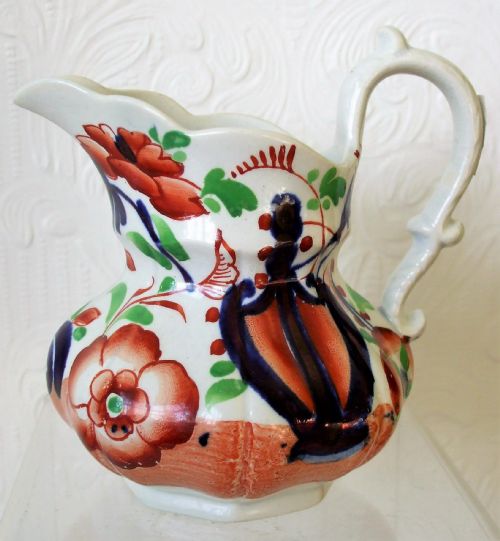
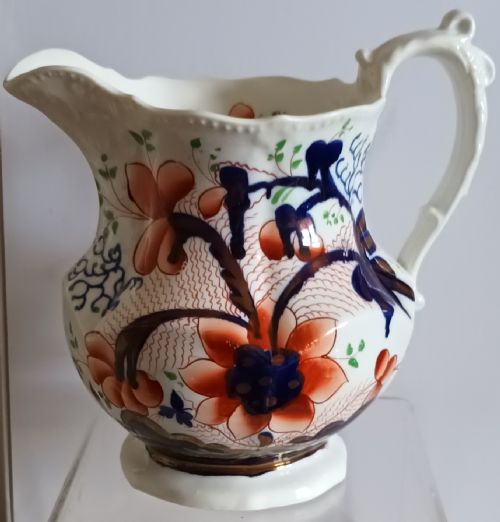
A cobalt blue floral pitcher brings rich pigment and botanical pattern to a room, offering both decorative presence and traditional utility.

Cobalt Blue Floral Pitcher
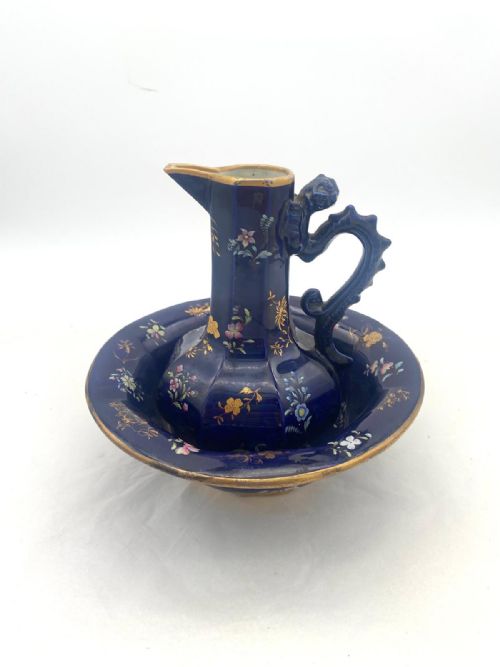
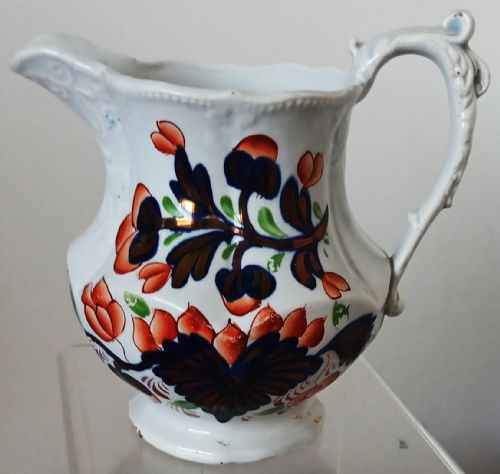
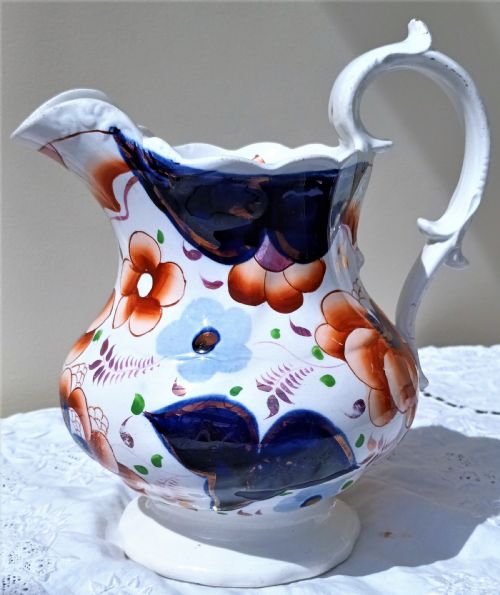
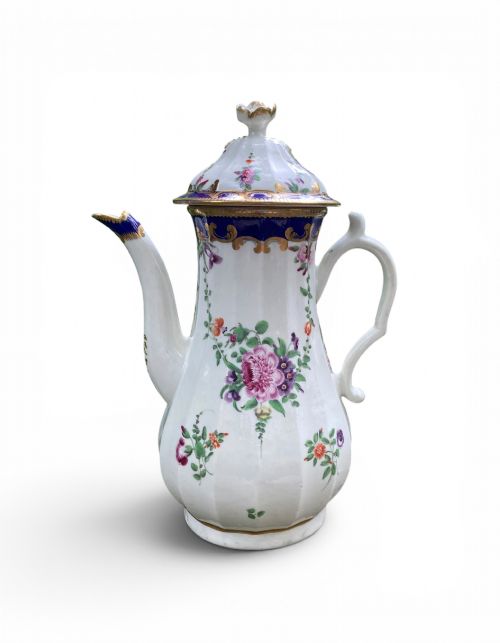
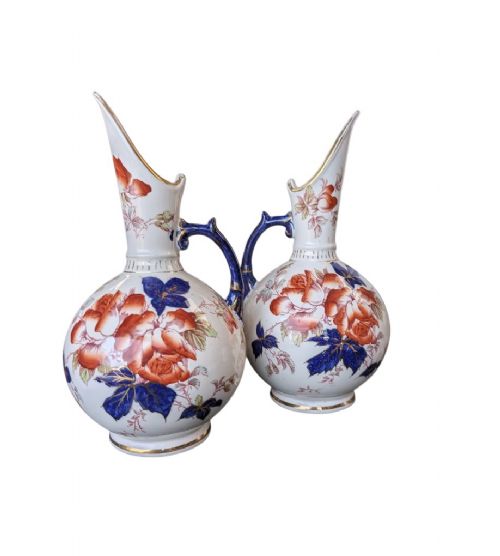
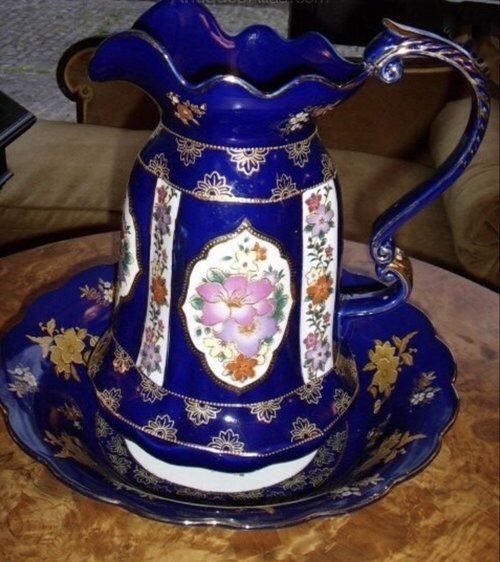
A cobalt blue floral pitcher appears across the eighteenth and nineteenth centuries, taking the form of earthenware, ironstone, and porcelain jugs. These vessels range from small individual table pieces to large washstand sets intended for bedroom use.
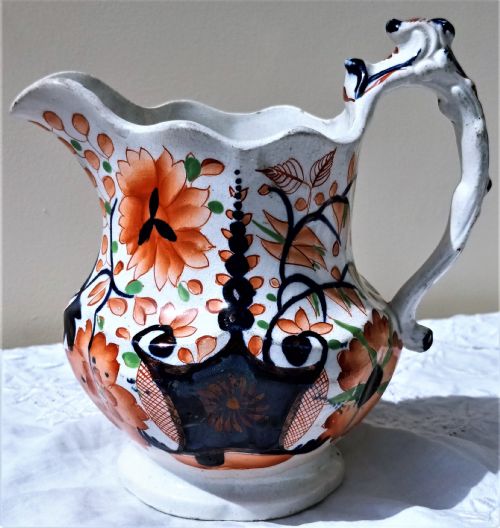
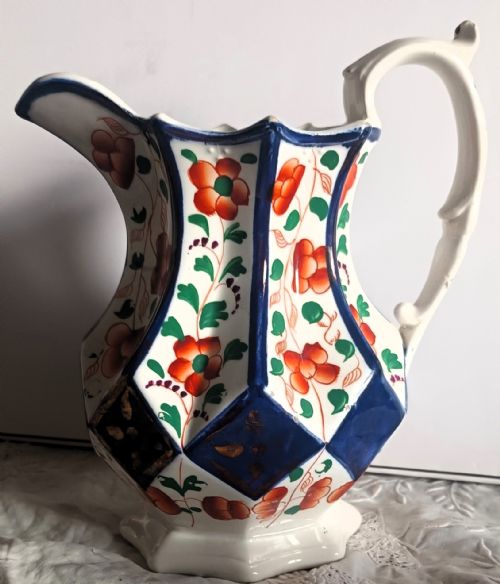
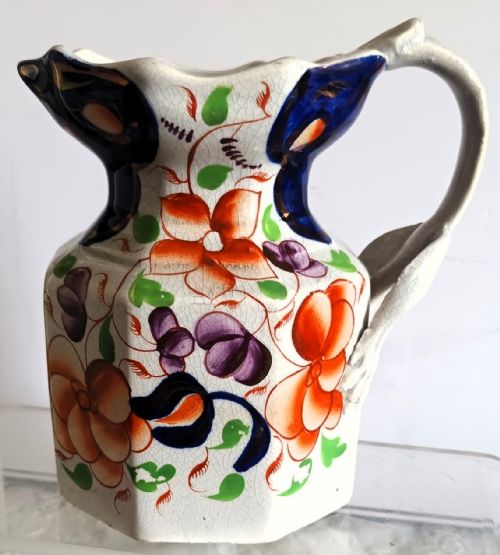
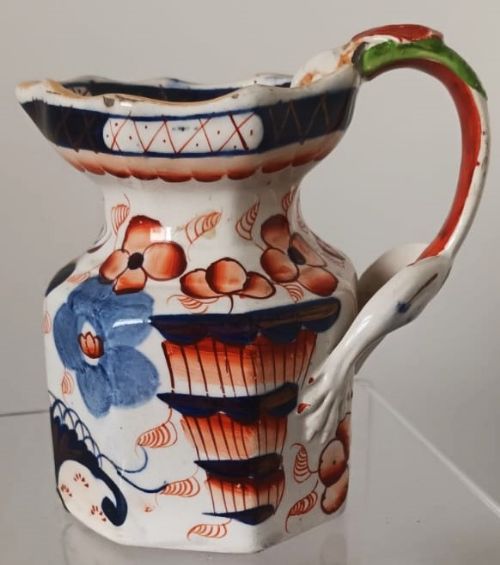
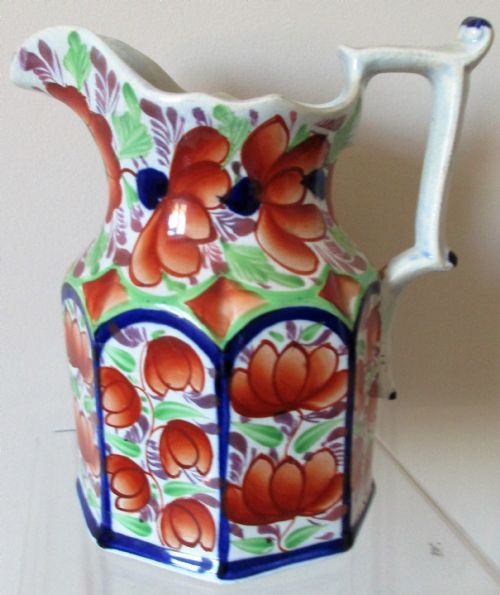
The nineteenth century yields a strong representation of Gaudy Welsh earthenware jugs, displaying vibrant patterns like Grape, Drape, Pagoda, and Harlech. Alongside these, substantial ironstone and porcelain examples demonstrate the enduring popularity of blue floral decoration in domestic ceramics.
Earlier eighteenth-century pieces include English Delftware and transitional porcelain creations such as Caughley Coalport mask head jugs. These earlier forms combine deep blue glaze work with botanical motifs, establishing the traditions that later Victorian makers developed further.
Materials and production methods
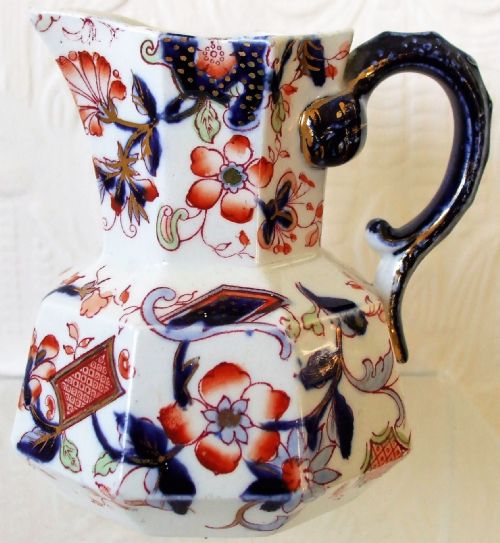
Potters built these vessels using ceramic bodies such as earthenware, ironstone, porcelain, and English Delftware. The raw clay or paste was shaped either by throwing on a wheel or by moulding, as seen in octagonal ironstone forms and specialised mask head jugs.
Makers applied cobalt blue glaze and enamel colours before subjecting the pieces to high-temperature kiln firing. Additional decorative elements, including copper lustre and gold leaf highlights, were sometimes added in subsequent lower-temperature firings to enrich the surface.
Listings feature pieces spanning the eighteenth and nineteenth centuries, utilising earthenware, ironstone, porcelain, and English Delftware.
Judging quality in blue floral pitchers
Quality rests upon the crispness of the cobalt blue glaze and the precision of the hand-painted floral or pattern work. Stronger pieces display clean lines in motifs such as the Pagoda or Pine Cone decorations without blurring or running of the pigment.
The physical construction of the body and handle influences the standing of a piece. Well-balanced proportions, intact spouts, and robust handle attachments on ironstone and porcelain demonstrate superior craftsmanship by the original potter.
Masons Ironstone·Keeling and Co·Caughley Coalport·Doulton Burslem·Worcester
The Cobalt Blue Floral Pitcher Glossary
- Gaudy Welsh
- A type of colourful pottery produced in the nineteenth century featuring cobalt blue, copper lustre, and other bright enamels. These wares often bear named patterns like Harlech, Gower, and Conwy.
- Ironstone
- A dense, durable ceramic developed in the nineteenth century to withstand heavy domestic use. Mason's ironstone frequently utilised this body for robust jugs and pitchers.
- Mask head jug
- A pitcher featuring a moulded human or grotesque face at the spout or base of the handle. Eighteenth-century examples from factories like Caughley Coalport display this sculptural technique.
- Hydra jug
- A classic pitcher shape characterised by a flared rim, moulded serpent handle, and bulbous body. This form appears across Georgian and Victorian porcelain and ironstone editions.
Cobalt Blue Floral Pitcher: Frequently Asked Questions
How do I date a blue floral pitcher?
Dating relies on examining the ceramic body, glaze characteristics, and recorded pattern names. Earthenware bodies with copper lustre lean towards the nineteenth century, while tin-glazed Delftware points to the eighteenth.
Maker marks and specific decorative styles, such as transitional mask heads or Gaudy Welsh motifs, provide further clues for narrowing down the decade of production.
Are these pitchers safe for daily use?
Many historical pitchers remain structurally sound, but older ceramics require careful handling. Antique ironstone and porcelain can withstand gentle liquid containment, though hand washing is necessary.
Enamel decorations and gold leaf highlights from the eighteenth and nineteenth centuries degrade in modern dishwashers and should be protected from harsh detergents.
Why are some pitchers part of washstand sets?
Large pitchers were historically manufactured to accompany matching basins for morning ablutions before indoor plumbing became common. These sets sat on bedroom washstands to hold washing water.
Complete surviving sets including both the jug and bowl represent a more intact domestic history than pitchers found in isolation.