


Antique Floral Milk Jug
An antique floral milk jug brings hand-painted botanical charm to the table, uniting practical service with delicate period decoration.

Antique Floral Milk Jug
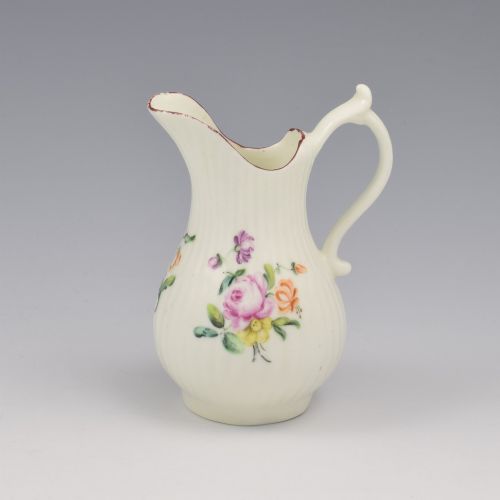
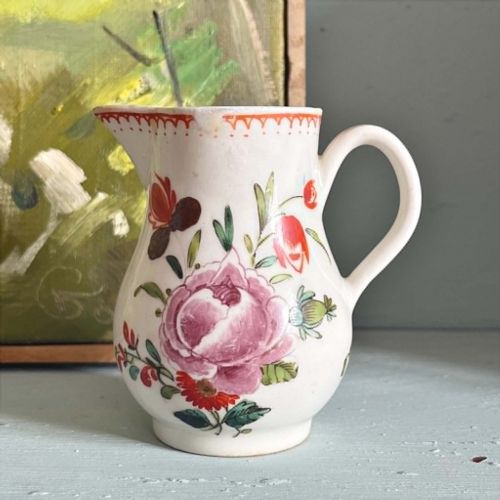
An antique floral milk jug is a small ceramic or porcelain vessel designed for serving cream or milk, typically decorated with painted or glazed floral motifs. The selection spans robust earthenware and delicate soft-paste porcelain from the eighteenth and nineteenth centuries.
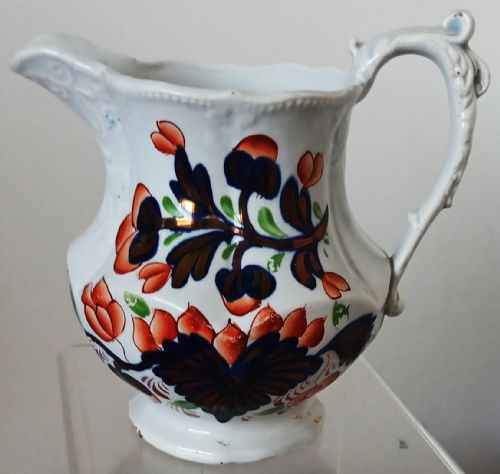
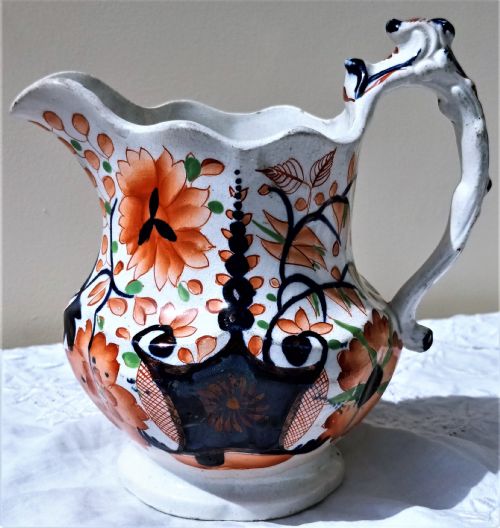
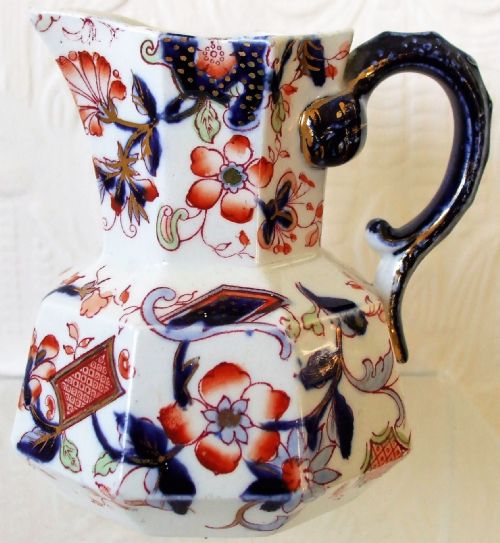
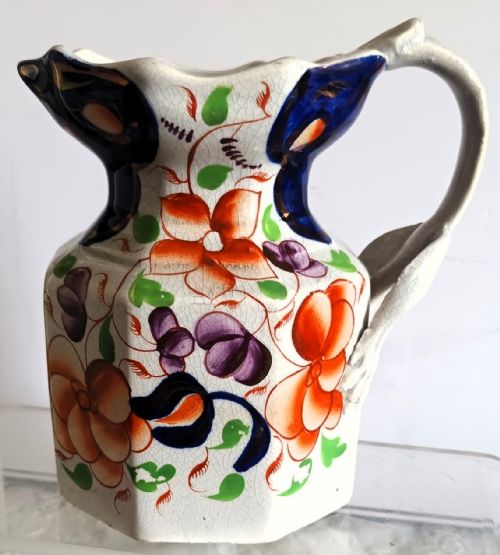
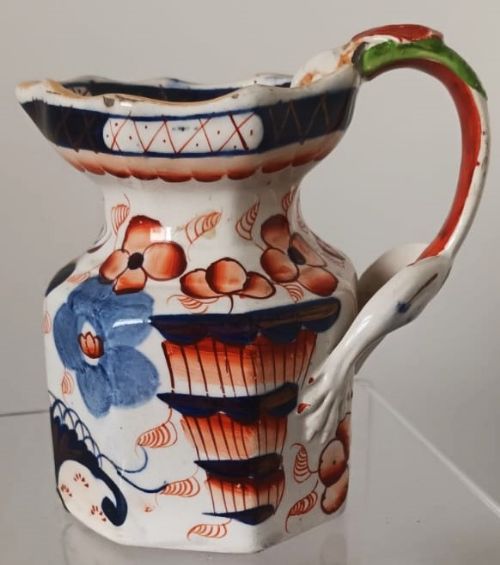
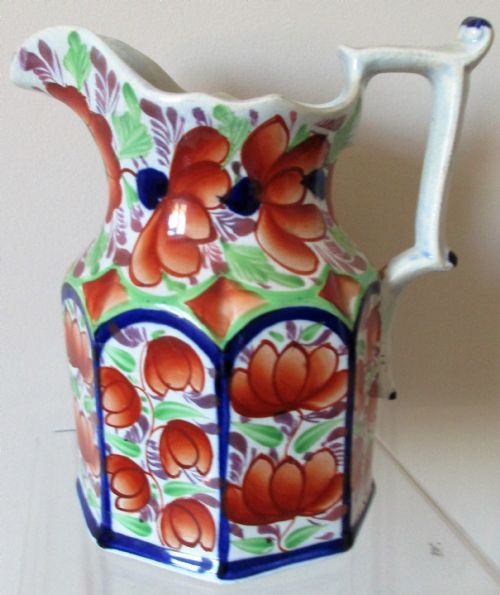
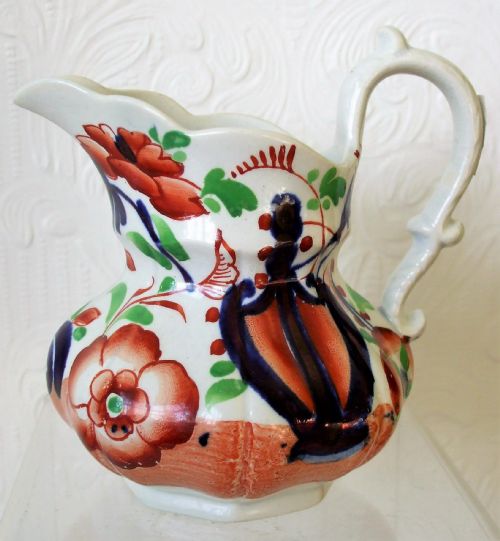
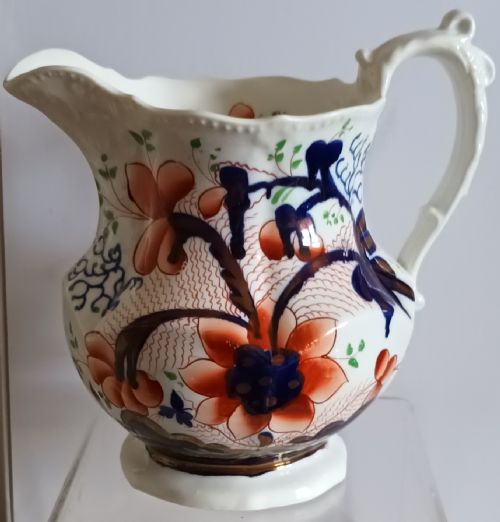
Most examples originate from British factories and Staffordshire potteries, alongside select continental and Chinese export pieces. Forms range from sparrowbeak creamers and baluster jugs to the bold geometric and floral patterns of Gaudy Welsh pottery.
The periods represented stretch from mid-eighteenth century rococo designs to late Victorian decorative wares. Buyers will frequently encounter Victorian Gaudy Welsh pottery alongside earlier Georgian porcelain cream jugs.
Materials and manufacture
Potters shaped these vessels using porcelain, soft-paste porcelain, earthenware and ceramic bodies, often finished with a clear glaze. Many eighteenth-century examples rely on delicate porcelain formulations, while nineteenth-century pieces frequently utilise durable pottery.
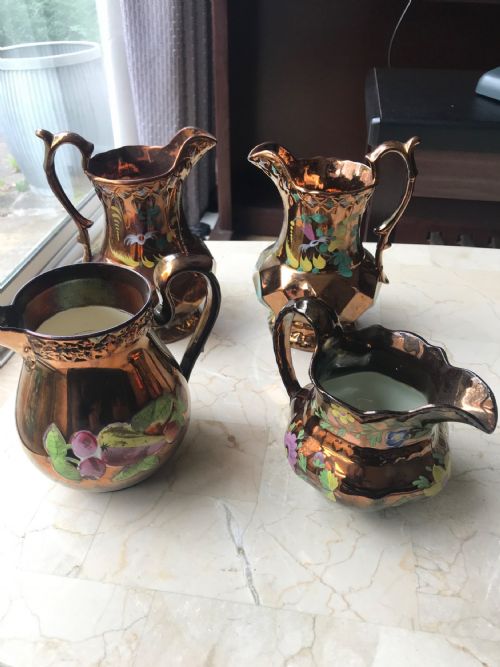
Decoration involved hand-painted polychrome enamels, underglaze pigments and occasional copper lustre highlights. Artisans applied floral patterns directly onto the ceramic body before or after firing, sometimes adding gilding to rims and handles.
Some eighteenth-century cream jugs were modelled as dolphins or low boats, proving that tea tables once sailed into outright whimsy.
Distinctions in quality
Quality rests primarily on the crispness of the moulding and the skill of the hand-decoration. Finer pieces exhibit precise brushwork in the floral panels and well-balanced handles, whereas utilitarian wares show simpler, bolder pattern applications.
The choice of body material also dictates standard, with translucent early porcelains generally commanding closer attention than heavier earthenware bodies. Preservation of the enamel colours and any applied gilding determines the integrity of the surviving piece.
Derby Porcelain·Bow Porcelain·Keeling and Co·Mason·Royal Worcester·New Hall·Meissen·John Rose Coalport·Rockingham·Crown Derby·Herculaneum
The Antique Floral Milk Jug Glossary
- Sparrowbeak
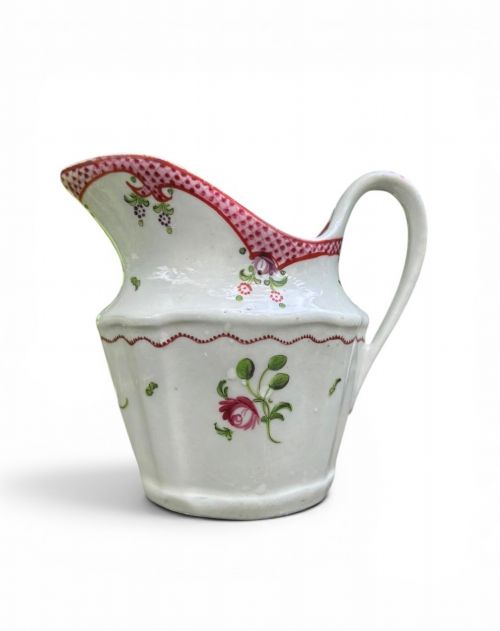
- A small eighteenth-century cream jug featuring a distinctive, pinched spout resembling a bird's beak. This form is frequently found on early porcelain pieces.
- Gaudy Welsh
- A distinctive nineteenth-century pottery style characterised by vibrant cobalt blue, iron-red, pink lustre and green floral decoration. It was widely produced for everyday use.
- Soft-paste porcelain
- An artificial porcelain composition fired at lower temperatures than hard paste. It was widely used by eighteenth-century English factories before true porcelain production became common.
- Baluster
- A curved architectural form widening towards the base, commonly seen in the profile of eighteenth-century milk jugs. This shape provides stability and volume.
- Copper lustre
- A metallic pottery glaze imparting a coppery, reflective sheen. It is often combined with hand-painted fruit and floral motifs on nineteenth-century jugs.
Antique Floral Milk Jug: Frequently Asked Questions
How do I date an antique floral milk jug?
Dating relies on identifying the ceramic body, manufacturing technique and decorative style recorded in the listing. Soft-paste porcelain and sparrowbeak shapes typically point to the eighteenth century, while Gaudy Welsh patterns and heavier earthenware indicate the Victorian era.
Factory marks, where present, help narrow down the decade of production. Stylistic clues such as rococo handles or copper lustre finishes also align pieces with specific manufacturing periods.
What is a sparrowbeak jug?
A sparrowbeak jug is an eighteenth-century cream jug characterised by a small, pointed spout that projects sharply from the rim. These miniature vessels were designed for pouring cream into tea.
They are frequently potted in soft-paste porcelain and painted with delicate polychrome floral designs. Their small scale makes them a distinct subcategory among antique milk jugs.
Can I use an antique milk jug daily?
While these jugs were originally made for table use, antique porcelain and earthenware require careful handling today. Thermal shock from boiling liquids or modern dishwasher cycles can damage fragile glazes and historical ceramic bodies.
Hand washing in lukewarm water is recommended for preservation. Many collectors prefer to display them or reserve them for occasional gentle service.
What is Gaudy Welsh pottery?
Gaudy Welsh is a nineteenth-century earthenware pottery style known for its bright, saturated palette of cobalt blue, copper pink lustre, iron-red and green. The patterns frequently feature stylized floral and architectural motifs like the pagoda design.
Though produced in England, it gained immense popularity in Wales for domestic tea service. The wares are easily identified by their robust ceramic bodies and vibrant hand-applied colours.