


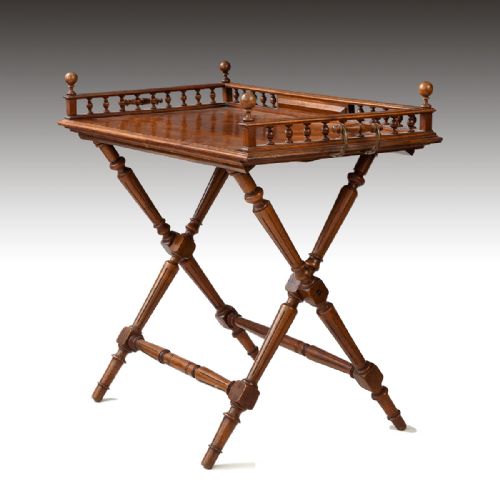
19th Century Walnut Furniture
19th century walnut furniture brings rich timber tones and tactile grain patterns into a room, offering both practical utility and Victorian presence.
What 19th century walnut furniture is
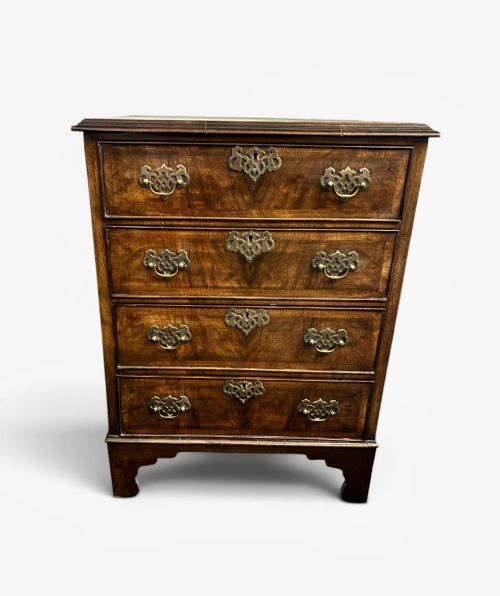
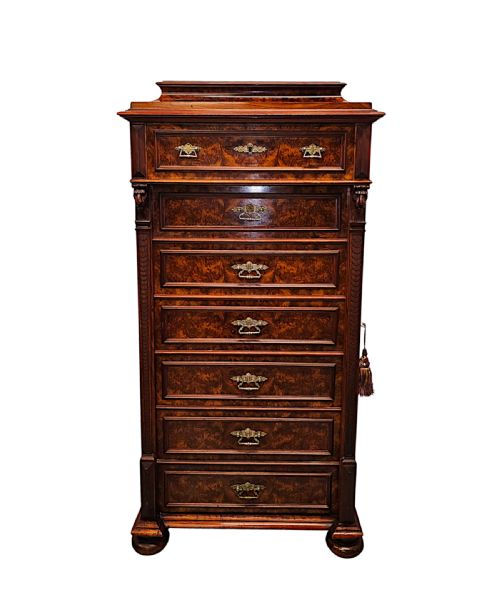
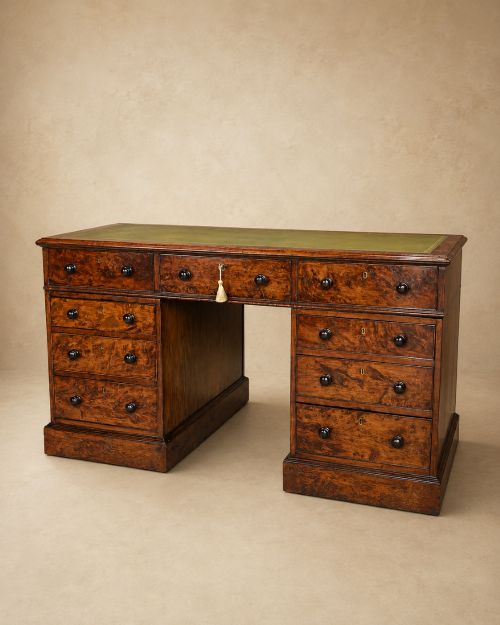
When you search for 19th century walnut furniture, you are looking at items produced during the Victorian era and the broader nineteenth century. These pieces encompass seating, dining tables, beds, chests of drawers, and occasional tables.
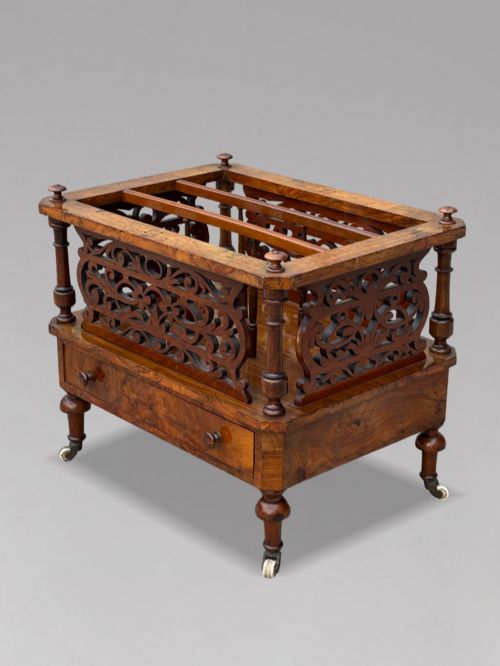
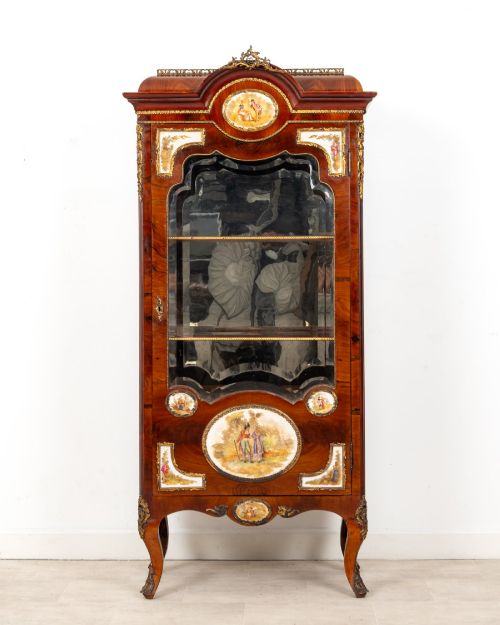
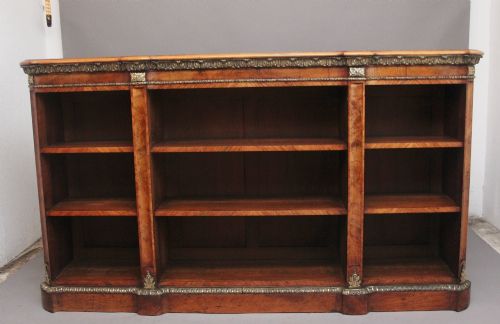
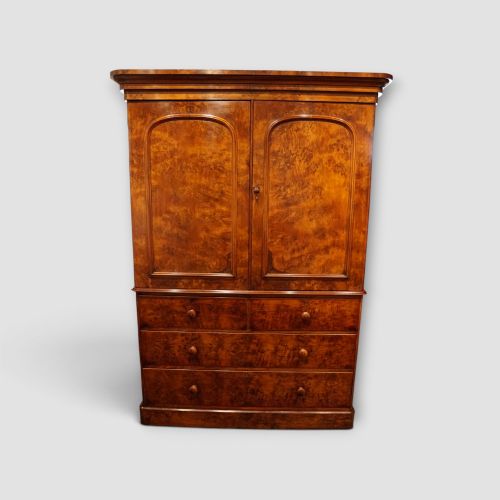
The versions you are most likely to meet on this page span Victorian designs, French chateau styles, and pieces blending Victorian and Gothic influences. Walnut and burr walnut dominate the forms, frequently enriched with boxwood inlay, ceramic castors, metal fittings, velvet upholstery, and brass mounts.
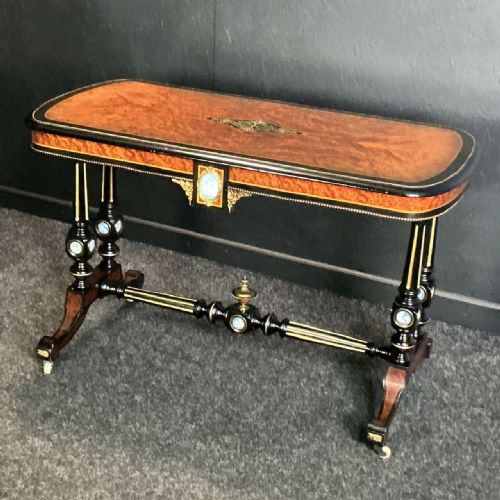
Makers and craftsmen of this period utilised both solid timber and decorative veneers to create functional items for domestic interiors. Centre tables, loo tables, Sutherland tables, and extending dining tables demonstrate the variety of forms available from this century.
How they were made
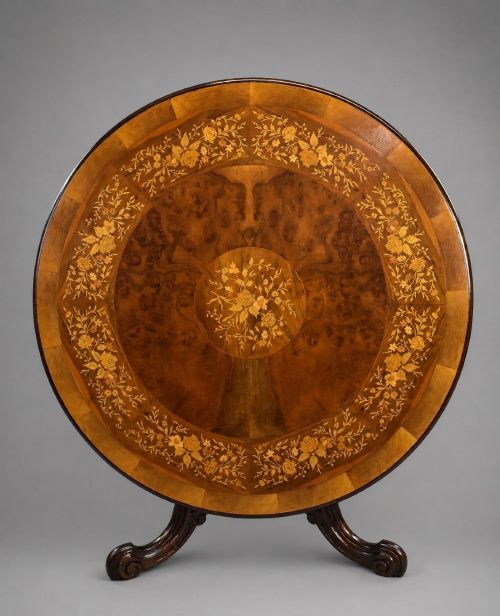
Makers of 19th century walnut furniture relied on solid walnut and burr walnut veneer, applying them over secondary woods to achieve deep, figured surfaces. Decorative techniques included boxwood inlay to accent the timber grain and carved wooden bases on large dining and centre tables.
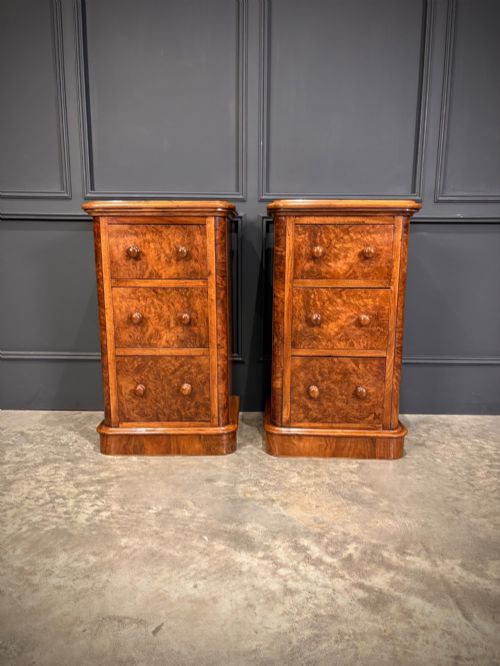
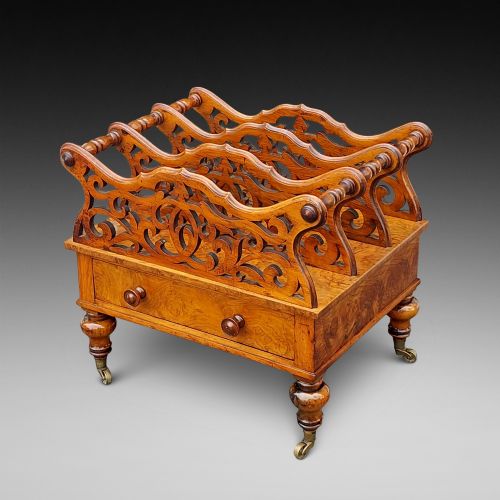
Structural elements incorporated brass, metal, and ceramic components, particularly for castors on heavy tables and seating. Upholstered pieces employed velvet fabrics, while side units and chests featured ornate brass furniture and handles.
Retail Price Guide 2026
Typical UK retail prices for 19th century walnut furniture, calculated from the Sellingantiques database of over a million retail prices indexed since 2003. This retail price guide relies exclusively on Sellingantiques data; no external sources or auction records are used, so the figures do not describe the wider market.
Some nineteenth-century tables come with castors that contain ceramic wheels, ensuring the heavy walnut frames could glide across velvet carpets without a murmur.
What varies in quality
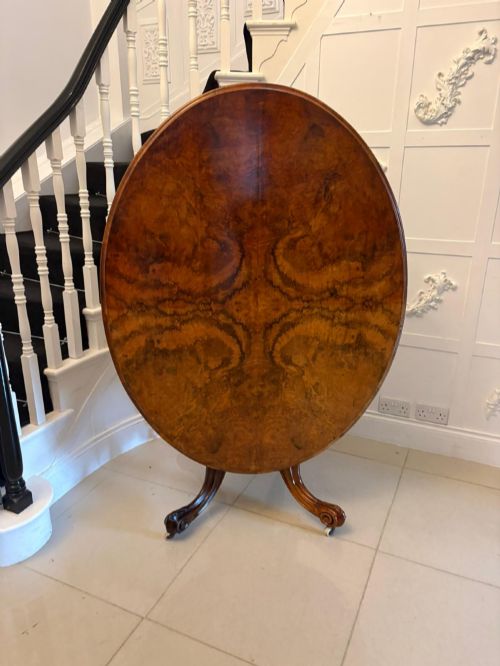
The distinction between standard items and the top of the range lies in the selection of burr walnut veneer and the crispness of any carved detailing on bases and frames. Figured walnut with rich natural patterning elevates a piece significantly above plain timber surfaces.
Construction methods and the integration of secondary materials, such as precise boxwood inlay and substantial brass hardware, dictate the overall integrity and finish of the furniture.
The 19th Century Walnut Furniture Glossary
- Burr walnut
- A specialised wood veneer taken from the warted growths on walnut trees, prized for its swirling and intricate grain patterns. It is frequently seen on Victorian tables and chests of drawers.
- Sutherland table
- A narrow drop-leaf table with hinged flaps that fold down steeply, supported by swing legs. This form allows the table to take up minimal space when not in use.
- Boxwood inlay
- A decorative technique where thin strips of pale boxwood are inserted into recesses in the darker walnut surface to create geometric or floral patterns. This adds contrast and fine detail.
- Loo table
- A large round or oval Victorian table designed for the card game loo. These tables typically feature a tilt-top mechanism and a carved central pedestal base.
- Centre table
- A freestanding table intended to be viewed from all sides rather than pushed against a wall. They often feature elaborate pedestal bases and figured timber tops.
Frequently Asked Questions
What is burr walnut?
Burr walnut is a decorative veneer cut from tree growths that produce highly figured, swirling grain patterns. It was heavily utilised during the Victorian era for tabletops and drawer fronts.
This material catches the light differently than straight-grained timber, giving surfaces a rich visual depth.
How do I identify a Victorian walnut table?
Victorian walnut tables often feature rich timber tones, carved wooden bases, and sometimes ceramic or brass castors. Look for stylistic cues such as Gothic influences or French chateau forms.
The use of burr walnut veneer and boxwood inlay also points directly to nineteenth-century craftsmanship.
Were these pieces used in dining rooms?
Yes, dining tables, extending dining tables, and sets of chairs were standard fixtures in nineteenth-century dining rooms. They were built to accommodate large families and formal dinner parties.
Robust construction and mechanisms like extending leaves allowed these tables to adapt to varying numbers of guests.
How do I care for walnut furniture?
Walnut furniture benefits from being kept away from direct sunlight and severe temperature fluctuations to prevent timber drying or veneer lifting. Regular dusting with a soft, dry cloth maintains the finish.
A light application of appropriate furniture wax can preserve the moisture and natural lustre of the wood.