



19th Century Wall Shelf
A 19th century wall shelf brings practical display space and distinct period character to any room.
19th Century Wall Shelf
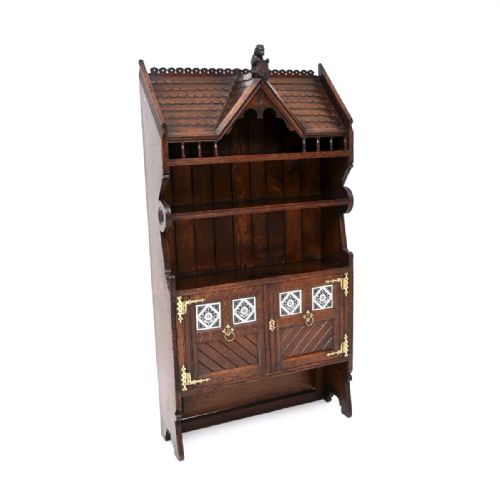
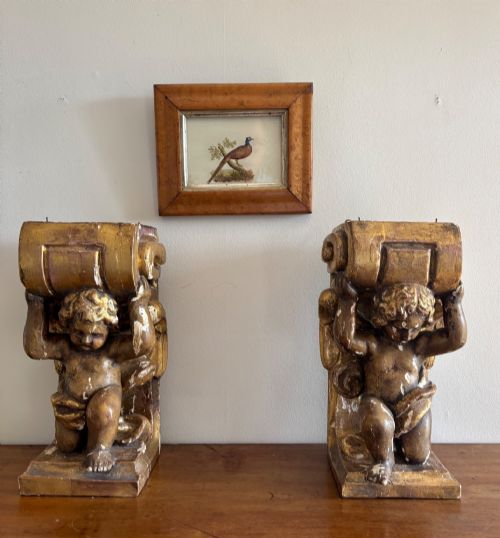
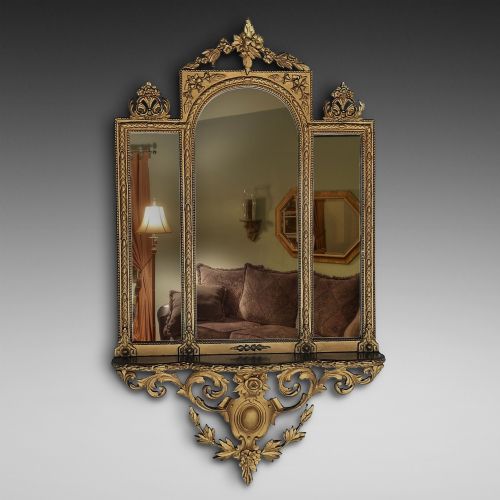
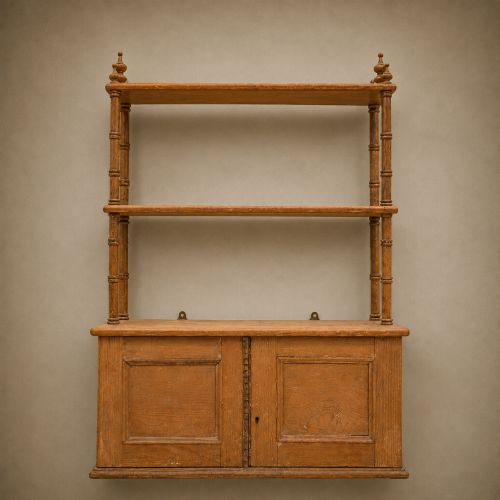
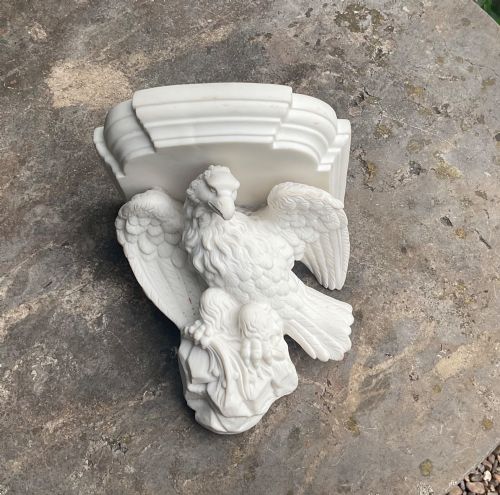
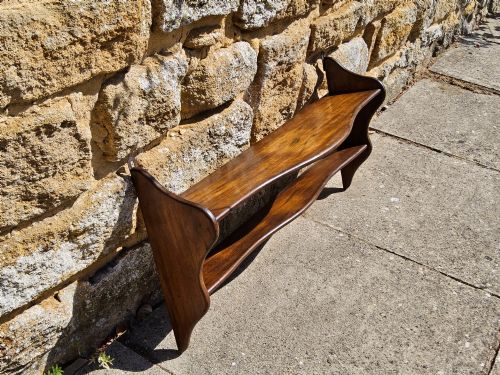
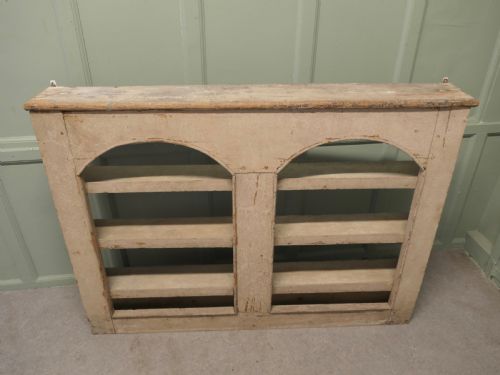
A 19th century wall shelf encompasses hanging bookcases, corner units, and display ledges designed to organise interiors. These pieces range from simple pine kitchen racks to elaborate giltwood brackets intended for ornamental objects.
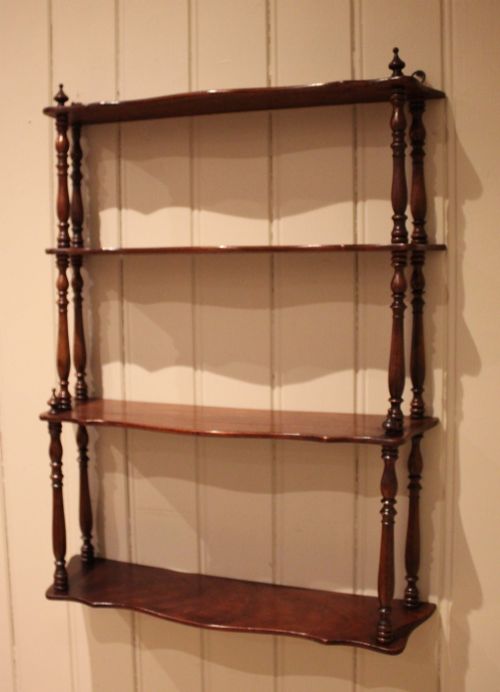
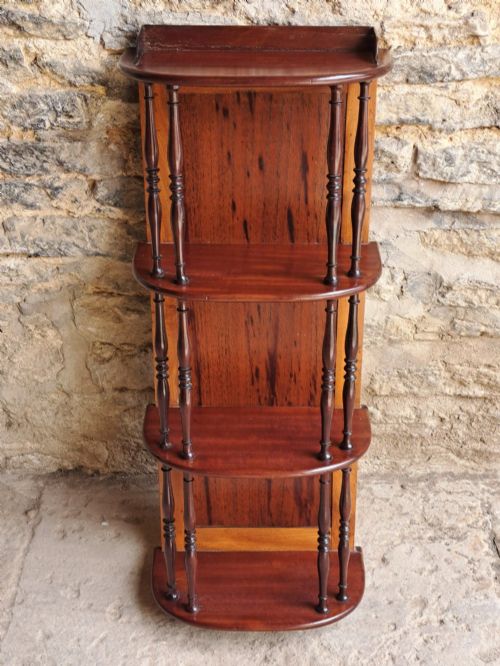
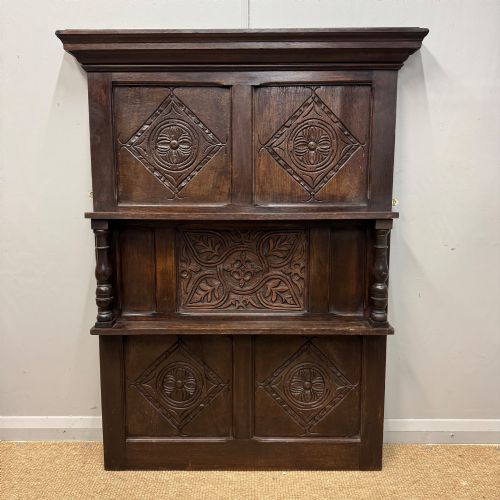
Mahogany and walnut appear frequently in these designs, often taking the form of tiered hanging shelves or fretwork brackets. Oak and pine also feature prominently, particularly within regional English and French country pieces.
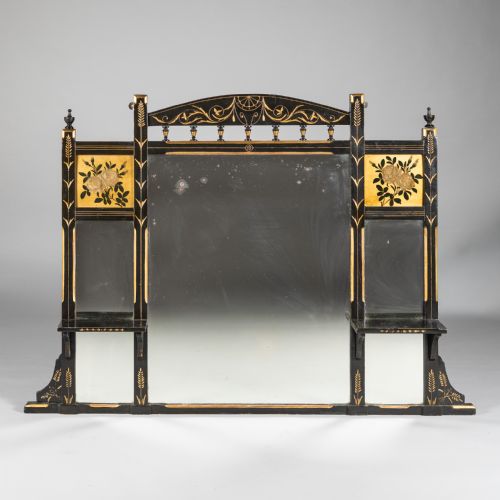
Stylistic influences stretch across Victorian Gothic, Aesthetic Movement, and Rococo Revival tastes. Buyers encounter both utilitarian shelving and decorative brackets intended to showcase ceramics or clocks.
Materials and Construction
Makers utilised solid timbers such as mahogany, walnut, oak, and pine, frequently shaping them through traditional joinery and carving techniques. Giltwood and gesso elements added ornamental flourish to mirrors and brackets.
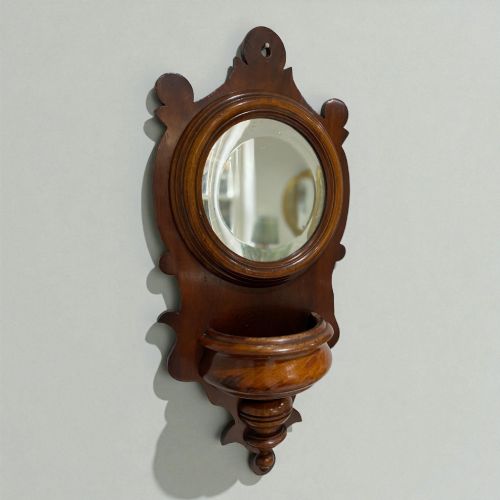
Surface treatments varied from polished wood grains to ebonisation, parcel-gilt, and hand-painted finishes. Brass fittings and bevel-cut glass frequently complemented the primary wooden structures.
19th Century Wall Shelf Retail Price Guide 2026
Typical asking prices for 19th century wall shelf among the pieces listed under this phrase on Sellingantiques today, from the lower quarter to the upper quarter. They describe what is for sale here now, not the wider market.
Listings feature woods including mahogany, walnut, oak, pine, satin birch, and cherry, alongside giltwood and brass forms.
Assessing Quality
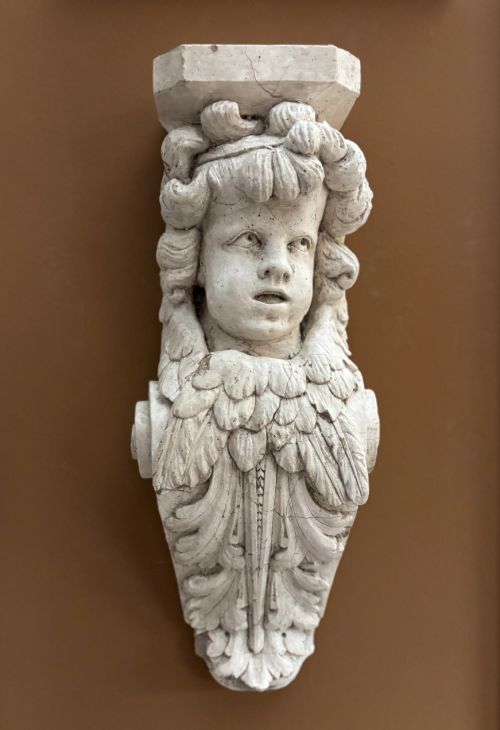
The standard of carving and the crispness of applied detail distinguish finer examples from standard workshop production. Depth of relief in carved acanthus leaves or figural corbels signals skilled craftsmanship.
Timber selection and secondary wood usage reveal much about the origin of a piece. Well-figured mahogany or quarter-sawn oak combined with robust structural integrity marks the upper tier of surviving items.
Cottier and Co·Strahan of Dublin·Luigi Frullini·Minton
The 19th Century Wall Shelf Glossary
- Giltwood
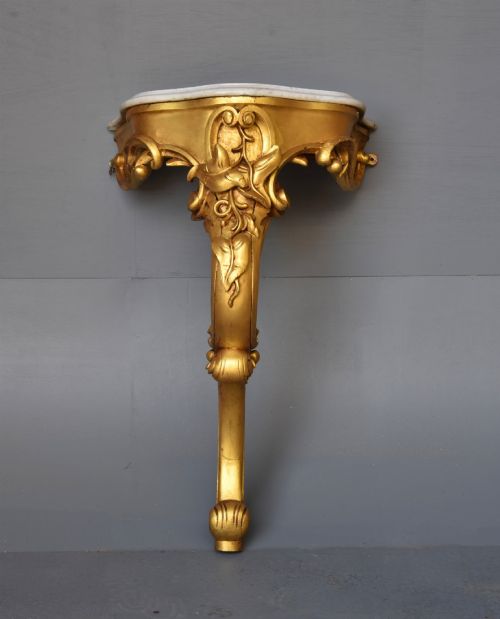
- Wood carved and coated with gold leaf or a gold-coloured preparation. This finish frequently highlights decorative wall brackets and mirror frames.
- Ebonised
- Timber treated to resemble ebony through staining or painting. This dark finish appears often on Aesthetic Movement pieces.
- Corbel
- A structural or decorative bracket projecting from a wall to support weight. In 19th century interiors, these often took figurative carved forms.
- Fretwork
- Ornamental design created by cutting patterns through thin boards with a scroll saw. This technique defines lighter hanging corner shelves.
- Majolica
- Tin-glazed earthenware popular during the Victorian era. Several wall brackets and shelves incorporate this colourful ceramic medium.
19th Century Wall Shelf: Frequently Asked Questions
How were 19th century wall shelves mounted?
Most hanging shelves utilise original brass fixing loops or reinforced backplates designed to secure directly into wall studs or masonry.
Heavier timber shelves required sturdy screw attachments to support books or heavy decorative objects safely.
Were these shelves meant for books or display?
Makers produced both specialised bookcases with fixed tiers and decorative ledges meant for ceramics and clocks.
Smaller bracket formats served primarily to elevate small sculptures, candelabra, or pocket watches.
How do I identify a Victorian Gothic shelf?
Victorian Gothic examples typically feature architectural motifs such as pointed arches, trefoils, and heavy carved oak or beech.
These pieces reflect the mid-century revival of medieval design principles in domestic interiors.
What woods are most common in these pieces?
Mahogany and walnut dominate refined urban furniture, offering rich grain patterns and durability for open shelving.
Pine and oak appear more frequently in regional, country, or kitchen environments where utility dictated the construction.