
Antique Book Shelf
An antique book shelf provides practical display and storage for a library, appearing across this page in open forms, revolving models and tiered designs.
Antique Book Shelf
An antique book shelf encompasses open bookcases, revolving designs, wall-mounted tiers and freestanding whatnots intended to hold domestic volumes. These pieces span the nineteenth century, the Edwardian era and the early twentieth century.
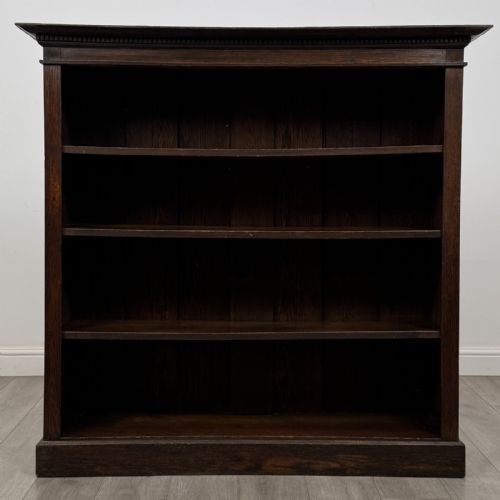
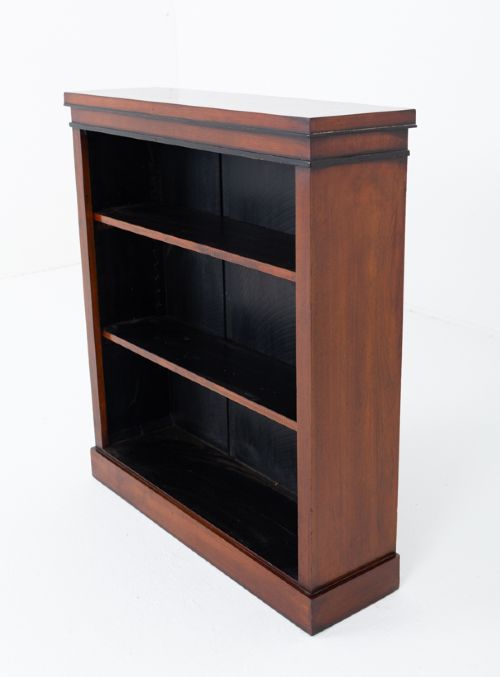
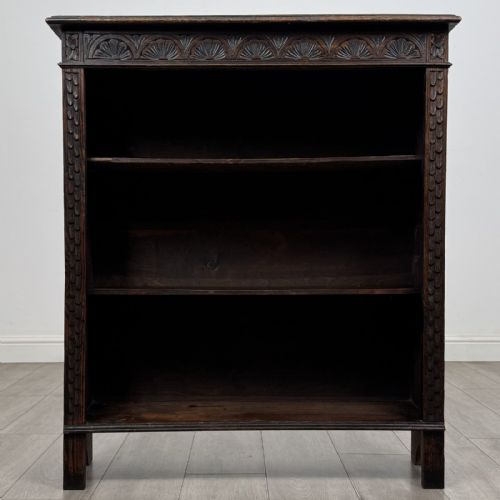
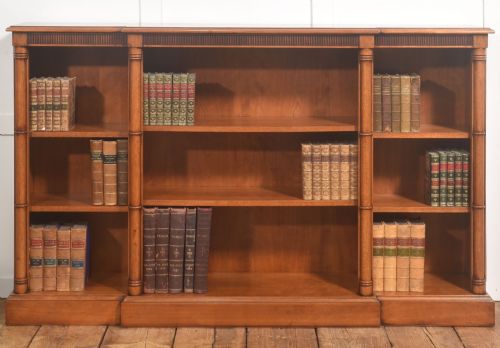
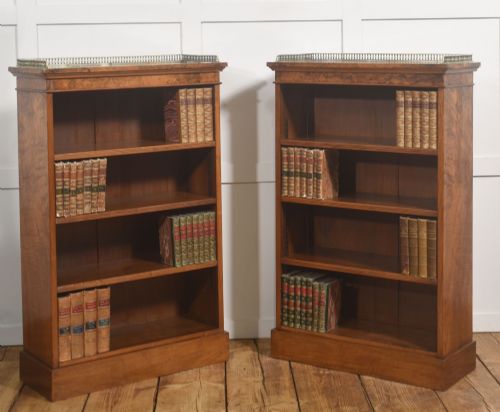
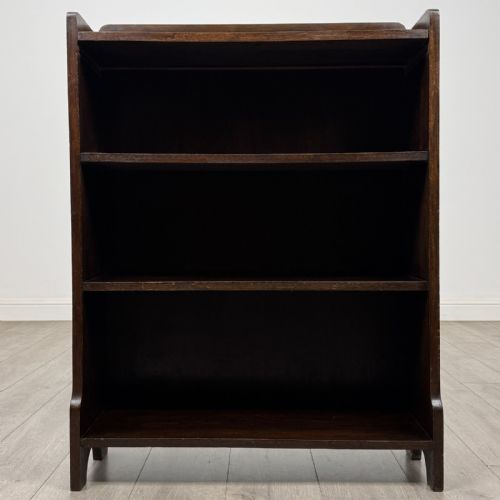
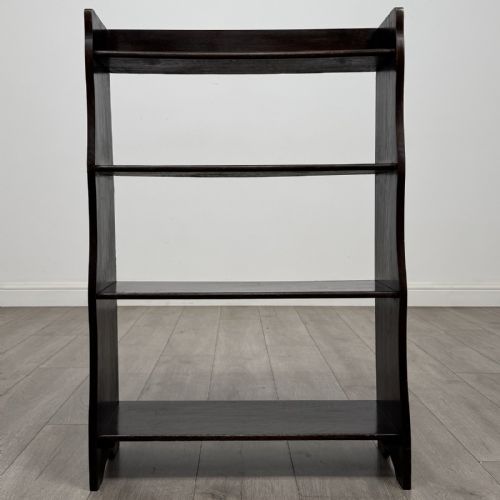
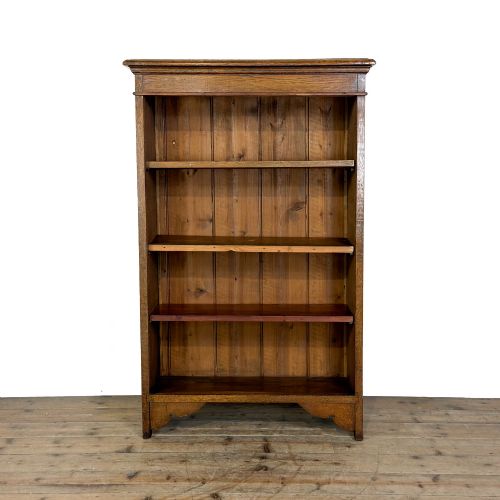
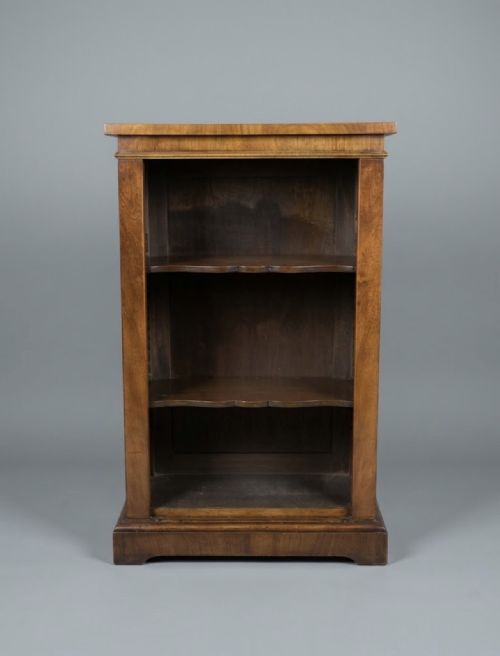
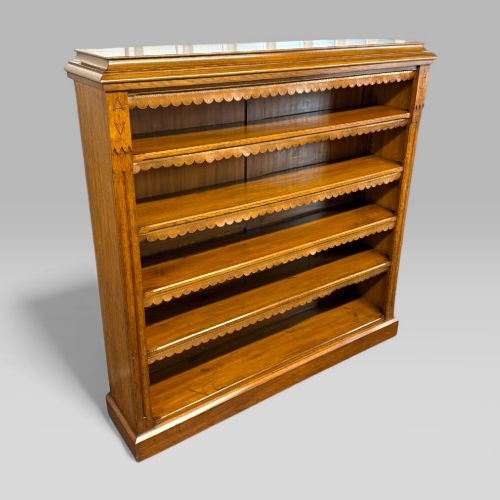
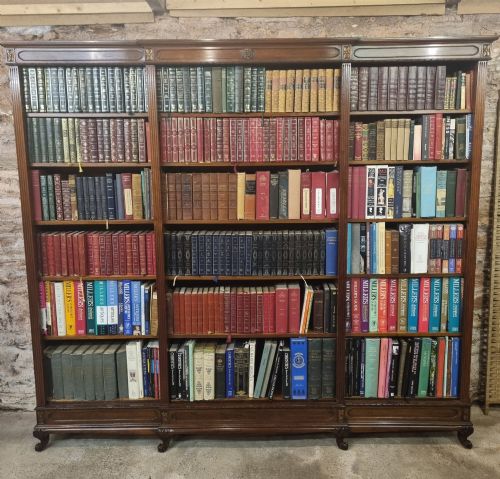
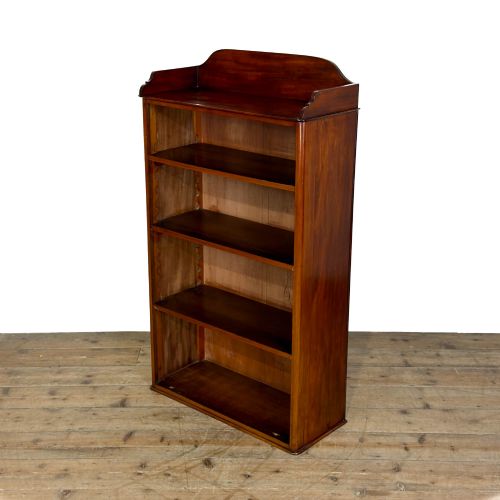
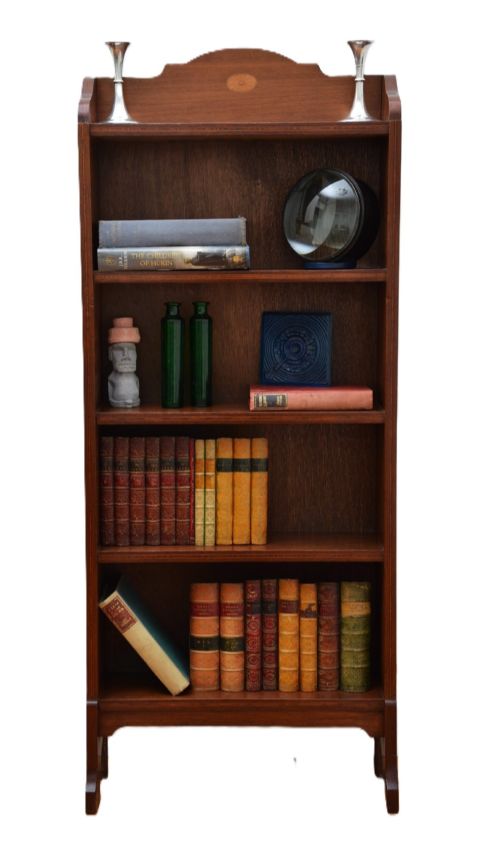
The most common version met on this page is the open oak or mahogany bookcase from the Victorian and Edwardian periods. Such pieces range from low table-height units to taller stepped and freestanding variants.
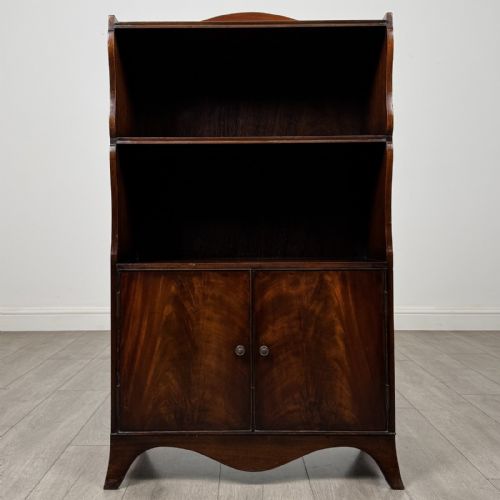
Makers utilised various formats, including rotating desktop models, waterfall shelves that step back progressively, and hanging units designed to maximise domestic space.
How they were made
Cabinet makers built these pieces primarily using native and imported hardwoods like oak, mahogany, walnut and rosewood, alongside secondary woods such as pine. Joinery methods included dovetailed boards, pegged joints and turned spindles for revolving mechanisms.
Surfaces received treatments ranging from simple wax polishes to carved ornamentation, inlaid panels and beaded edges. Revolving units relied on internal brass or iron spider frames to achieve smooth rotation.
Listings feature oak, mahogany, walnut, rosewood and pine across periods from the Regency era through the 1930s.
What varies in quality
The standard of timber selection and grain matching distinguishes finer pieces from utilitarian items. Solid mahogany and quarter-sawn oak demonstrate greater structural integrity than softer pine or composite constructions.
The precision of adjustable shelf mechanisms, hand-carved detailing, and the fluid movement of revolving actions reflect the skill invested in the construction.
The Antique Book Shelf Glossary
- Waterfall bookcase
- A tiered shelving unit where each successive shelf steps back from the one below it. This design creates a cascading profile popular in mahogany and walnut during the nineteenth and early twentieth centuries.
- Revolving bookcase
- A compact shelving unit fitted with a concealed internal pivot that allows the entire structure to spin. These were commonly produced in mahogany or oak during the Edwardian period for easy access to reference books.
- Whatnot
- A multi-tiered open piece of furniture used for displaying books and small ornamental objects. These items often feature slender vertical supports and corner shelves.
- Arts and Crafts
- A design movement prioritising visible construction, honest materials and hand-craftsmanship over machine-made ornamentation. Pieces from this style frequently showcase plain oak surfaces and simple pegged joinery.
- Adjustable shelves
- Shelving supported by removable pins, wooden ratchets or metal strips that permit height variation. This feature allows the interior space to accommodate volumes of differing sizes.
Antique Book Shelf: Frequently Asked Questions
How do I choose the right size?
Measure the available wall space and floor area carefully before selecting a piece. Low open bookcases work well beneath windows, while taller freestanding units suit larger rooms.
Consider the height and depth of your volumes to ensure adequate shelf clearance.
Where should I place a revolving bookcase?
Revolving bookcases function effectively beside armchairs, desks or in small corners where stationary shelving cannot fit. Their rotational design allows access from multiple seated positions.
Ensure there is sufficient clearance on all sides for the shelves to spin freely without striking walls or furniture.
How do I care for wooden shelves?
Maintain the finish by dusting regularly with a soft, dry cloth and applying a traditional beeswax formulation periodically. Avoid placing furniture in direct sunlight or near heat sources to prevent timber splitting.
Lift items rather than dragging them across the wooden surface to protect the polish.
Can shelves be adjusted?
Many period bookcases feature adjustable shelving systems supported by wooden tracks or metal pins. This allows you to alter shelf heights for different book sizes.
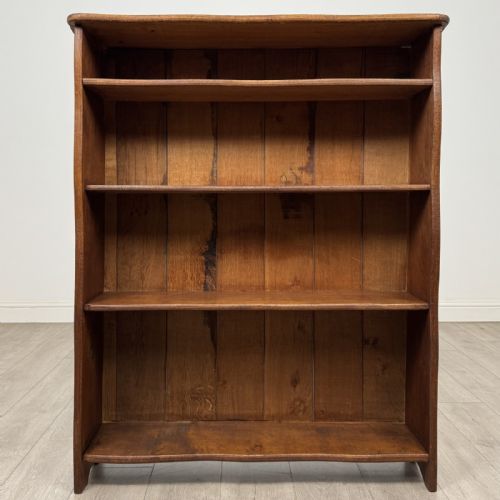
Fixed shelves are typically built into simpler or earlier rustic constructions.