


19th Century Vanity Table
A 19th century vanity table offers the timeless elegance of period craftsmanship, providing a dedicated space for grooming and writing.
19th Century Vanity Table
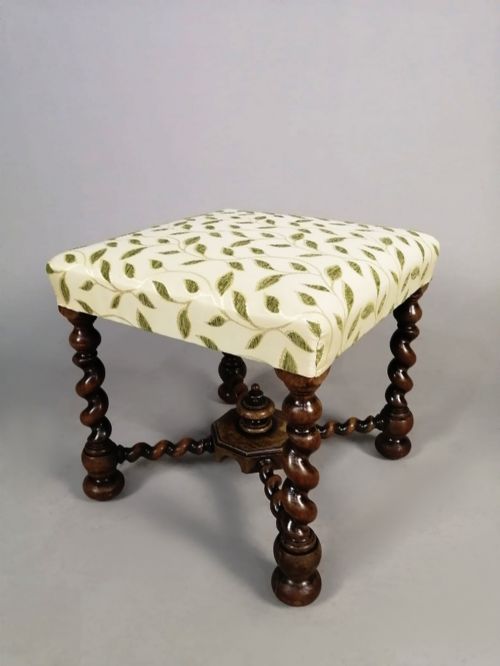
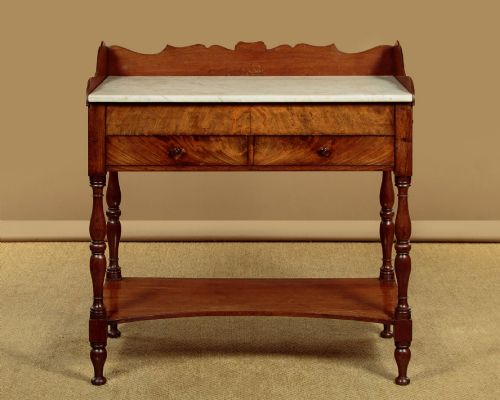
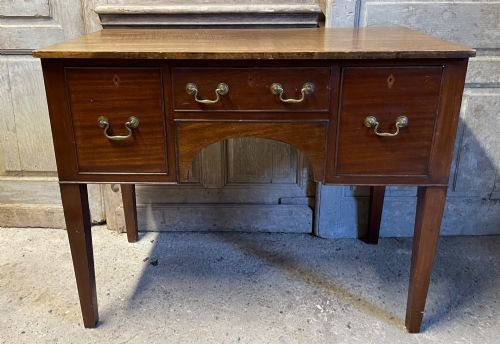
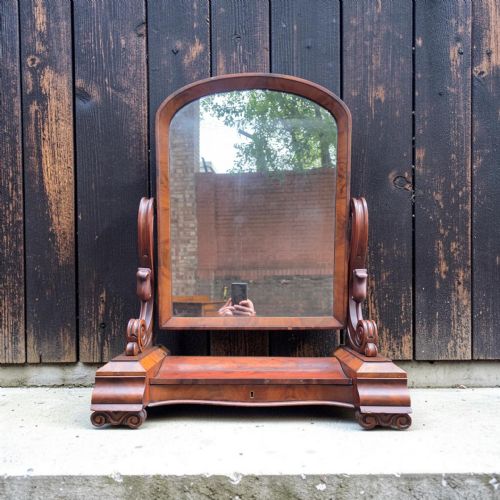
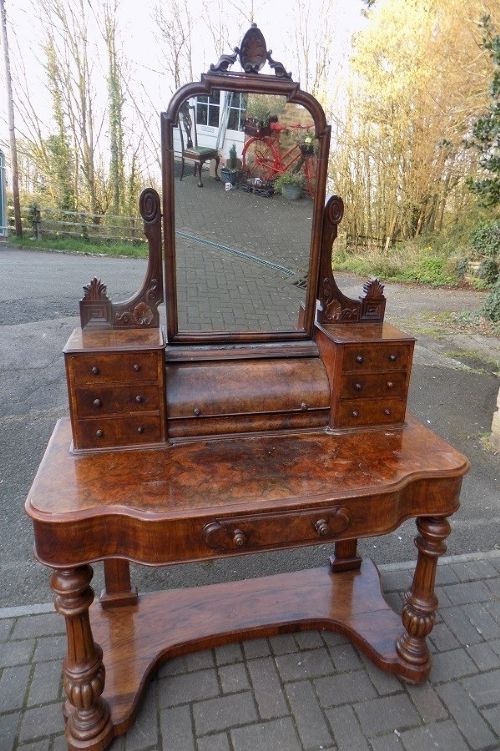
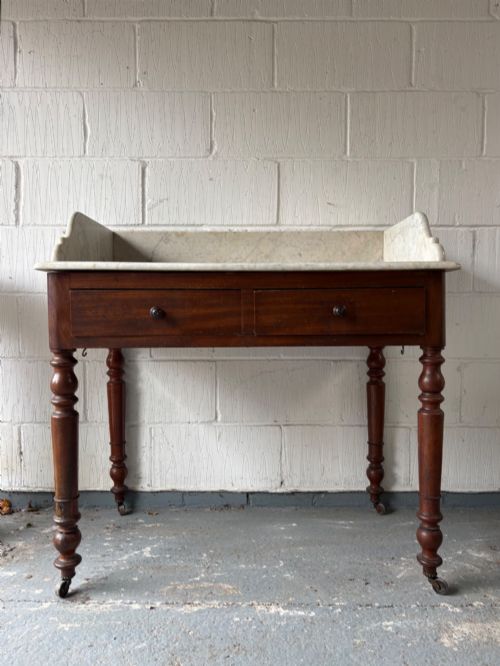
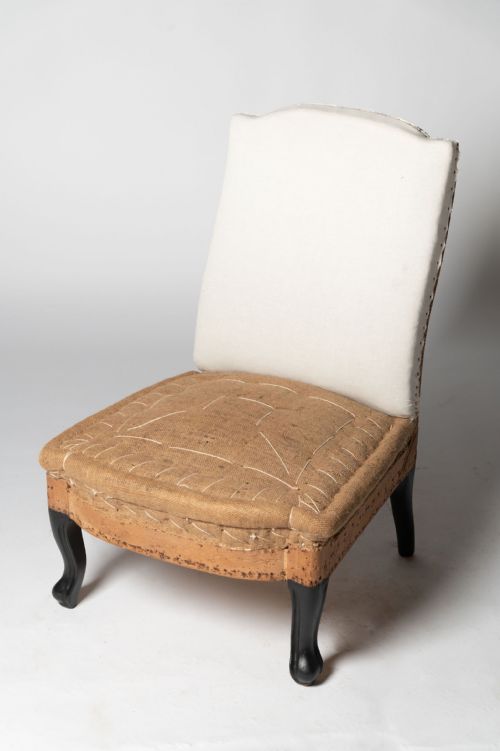
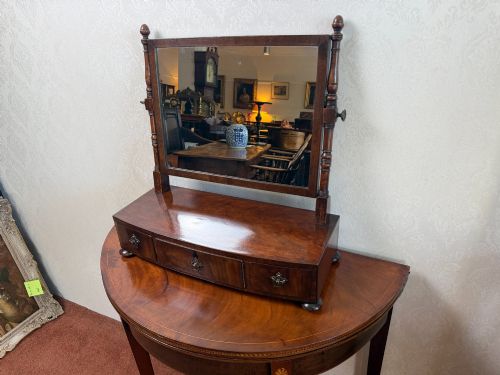
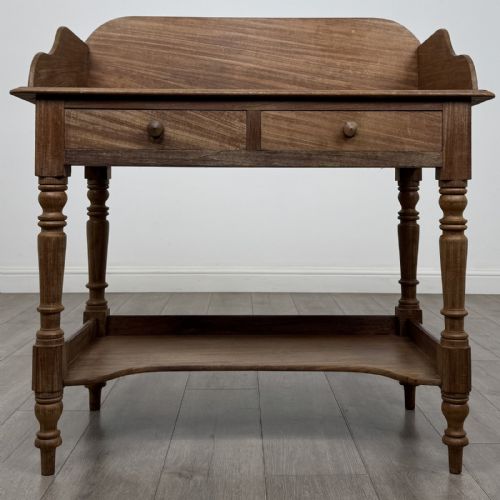
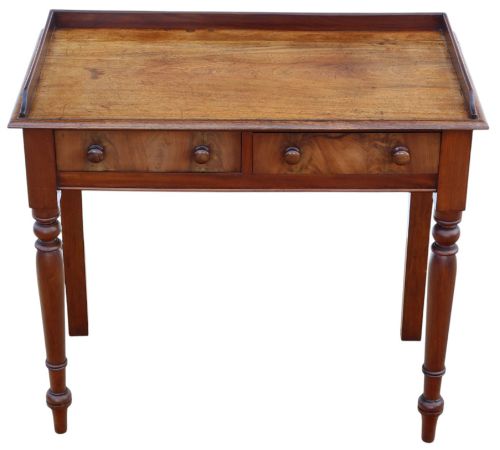
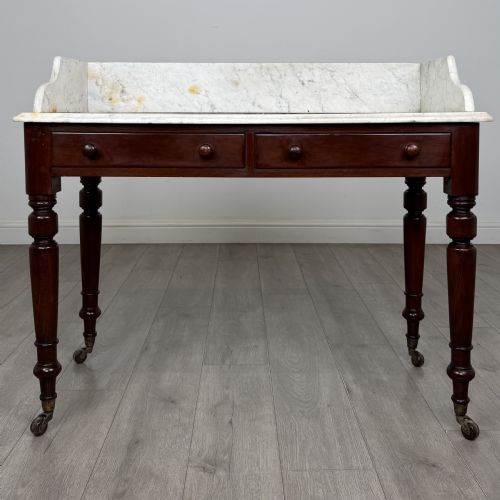
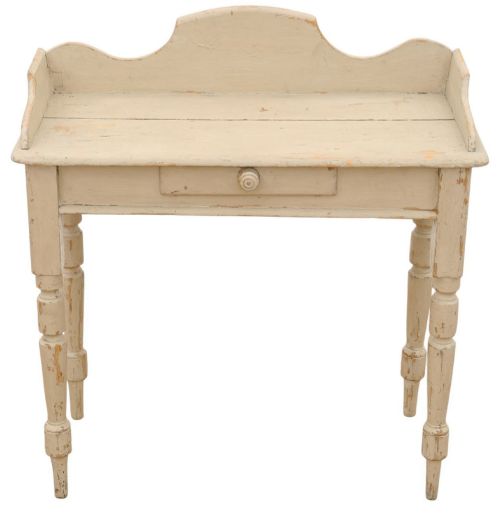
A 19th century vanity table encompasses dressing tables, swing mirrors, washstands, and associated seating designed for the Victorian, Regency, and Georgian periods. These pieces serve practical functions for personal grooming while displaying the diverse aesthetic movements of the era, from French Empire to rustic farmhouse.
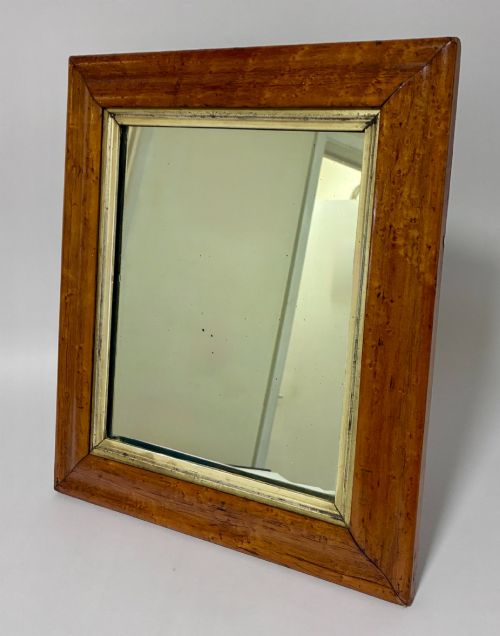
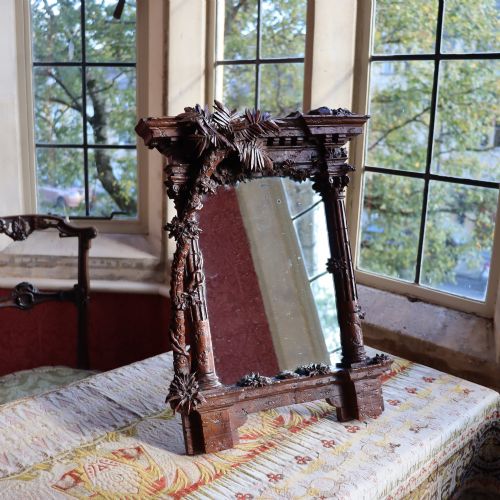
The selections on this page frequently include mahogany and rosewood dressing tables with multiple drawers, alongside smaller table mirrors and stools in walnut, pitch pine, and kingwood. Buyers will also encounter specialised forms such as gentleman's dressing chests and marble-topped washstands.
Originating across English, French, and Anglo-Indian traditions, these furnishings adapt easily to modern bedrooms and dressing rooms. Their varied forms reflect the shifting domestic habits and refined tastes of the nineteenth century.
Materials and construction methods
Cabinetmakers of this period relied heavily on solid and veneered timbers such as mahogany, rosewood, walnut, and kingwood, often supported by secondary woods like pine. Construction techniques included precise dovetail joinery for drawers and sturdy framing for washstands and dressing cabinets.
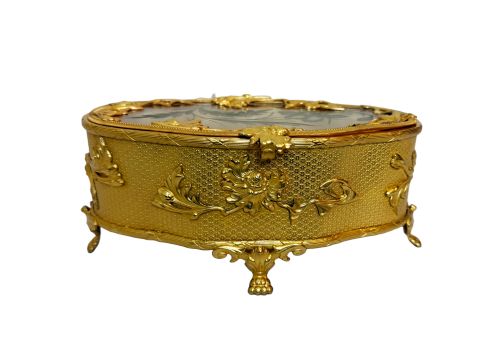
Decorative detailing involved brass hardware, ormolu mounts, gilt bronze, and intricate hand-carved elements. Specialised pieces incorporated marble tops, fabric upholstery, and hand-painted Chinoiserie lacquering to achieve their distinctive finishes.
19th Century Vanity Table Retail Price Guide 2026
Typical asking prices for 19th century vanity table among the pieces listed under this phrase on Sellingantiques today, from the lower quarter to the upper quarter. They describe what is for sale here now, not the wider market.
The listings demonstrate a strong preference for mahogany and rosewood across Victorian and Regency dressing tables.
Distinctions in quality
Quality in these furnishings is determined by the selection of figured timber veneers and the precision of the cabinet work, such as tight joints and smooth drawer actions. Superior examples display crisp, hand-carved ornamentation and high-grade mounts rather than cast-metal shortcuts.
The integration of original hardware, mirrors, and secondary elements preserves the integrity of the piece. Well-executed proportions and refined secondary woods distinguish workshop masterworks from more utilitarian regional production.
Heal and Son·Jacob Petit·Louis Auguste Moreau·Tonnel Paris
The 19th Century Vanity Table Glossary
- Swing mirror
- A tabletop mirror mounted on vertical pivots within a frame, allowing the glass to tilt. This mechanism became a standard fixture on dressing tables throughout the nineteenth century.
- Washstand
- A dedicated wooden stand, frequently topped with marble, designed to hold a basin and pitcher for morning ablutions. These pieces often feature storage cupboards or lower shelves.
- Ormolu
- Gilded bronze applications used as decorative mounts on French Empire and Victorian furniture. The technique involves applying finely ground gold-mercury amalgam to bronze.
- Kingwood
- A dense, richly figured Brazilian timber utilised for high-end veneering during the nineteenth century. Its contrasting dark and golden brown tones made it popular for luxury French cabinets.
19th Century Vanity Table: Frequently Asked Questions
Where were these tables placed?
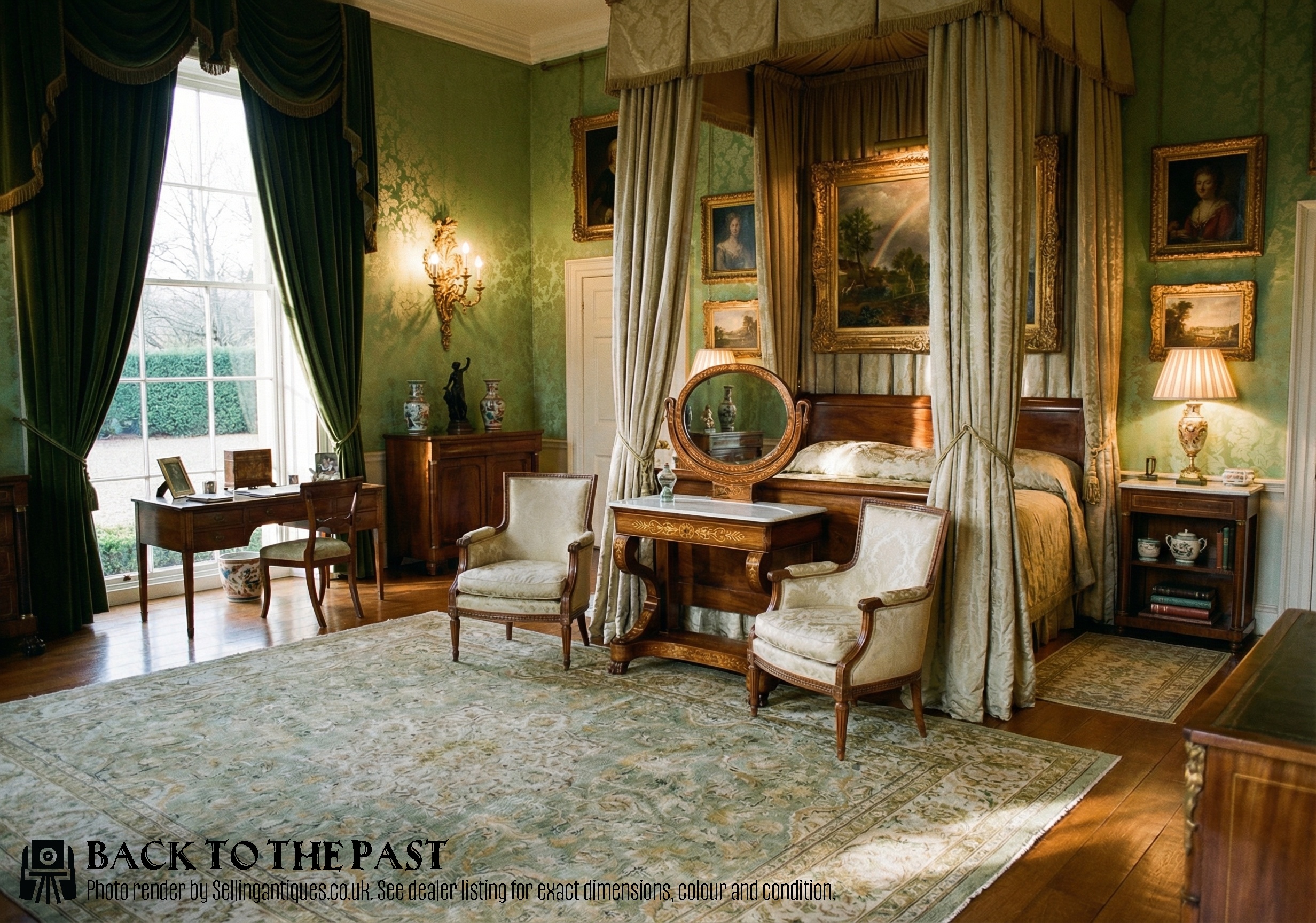
These furnishings typically stood in bedrooms or dressing rooms where natural light assisted with personal grooming and morning routines.
Their compact footprints also allowed them to function effectively in private boudoirs and guest chambers.
How do I care for the wood?
Maintain timber surfaces by applying a traditional beeswax polish sparingly and buffing gently with a soft cloth. Avoid placing them near direct heat sources or in areas with fluctuating humidity to protect the veneer.
Protect marble tops on washstands from acidic liquids to prevent staining.
Can I use a washstand today?
Washstands adapt well to modern bathrooms as vanity sink surrounds or serve as convenient plant stands and hallway consoles.
Their marble tops provide durable, water-resistant surfaces for contemporary daily use.
How are different periods identified?
Regency pieces often display classical proportions with mahogany veneers and brass detailing, while Victorian items feature heavier carved decoration, rosewood, and walnut.
Later nineteenth-century examples introduce eclectic styles like French Empire, faux-bamboo, and Chinoiserie lacquer.