


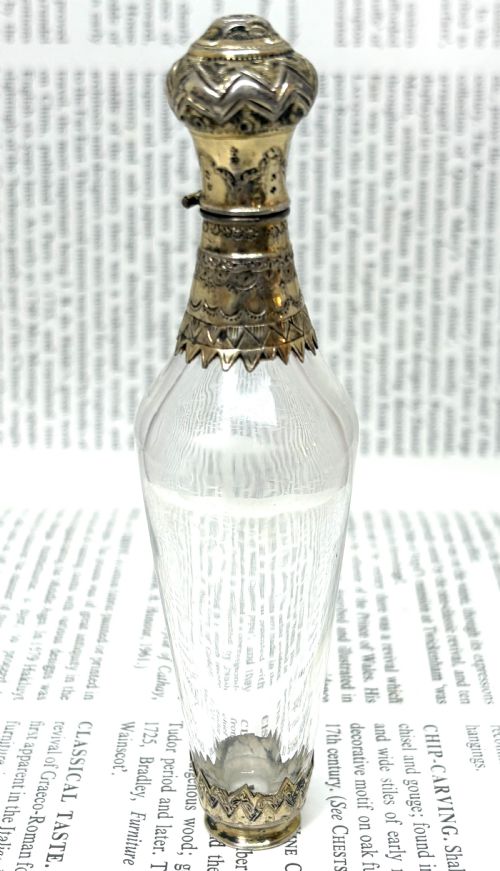


French Empire Dressing Table
These french empire dressing table pieces bring stately classical symmetry and rich timber into a bedroom.
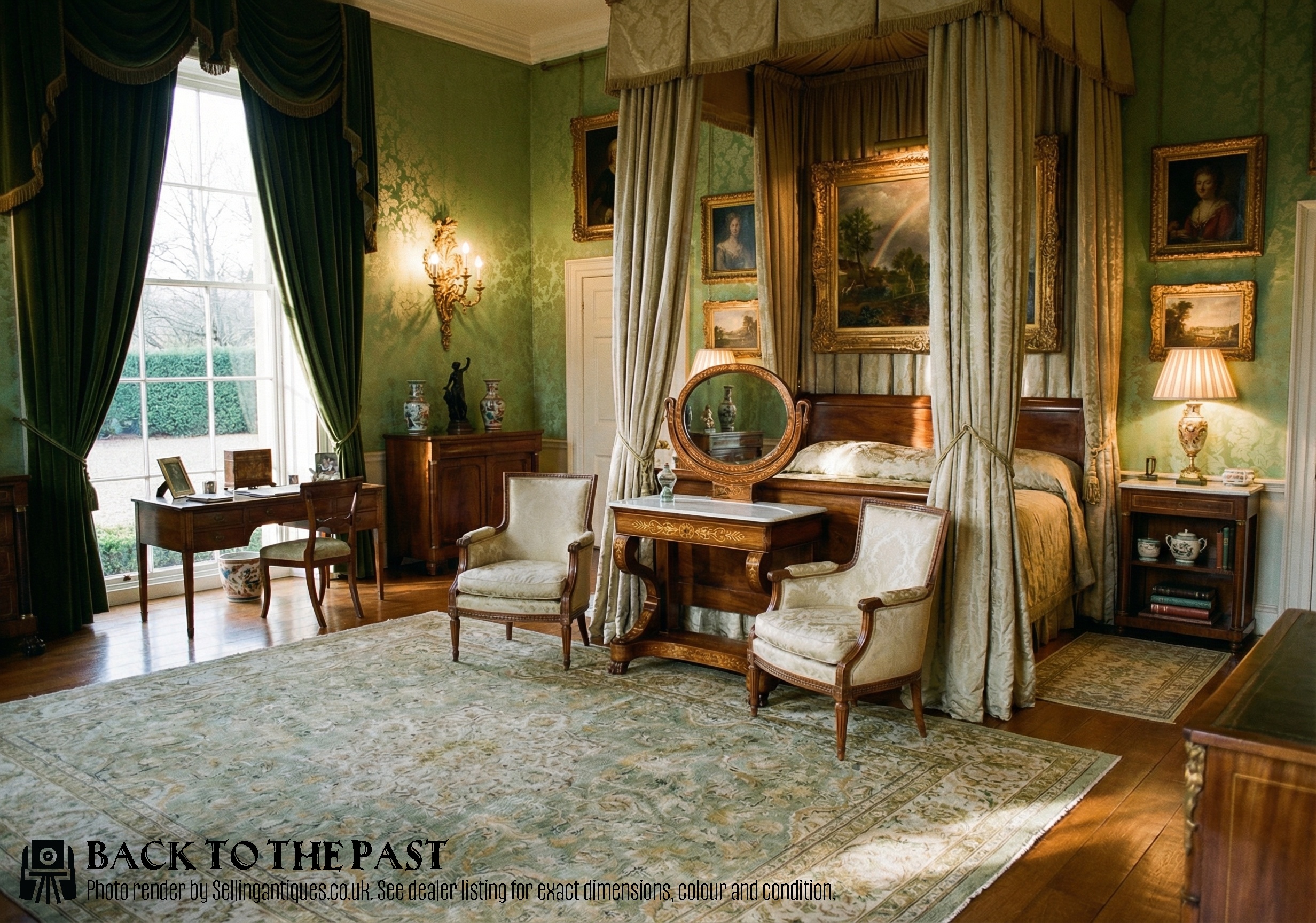
French Empire Dressing Table
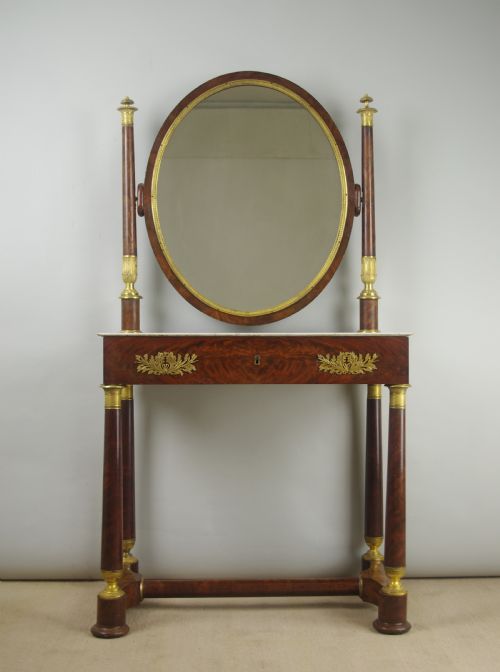
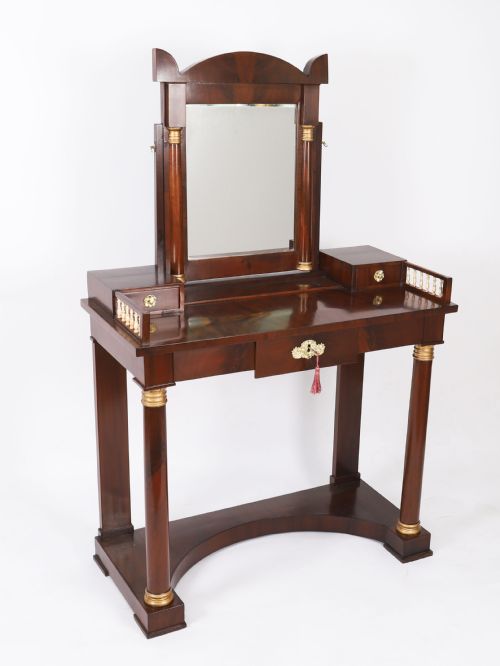
A french empire dressing table embodies the grand neoclassical proportions and formal restraint characteristic of early nineteenth-century design. When searching for this form, buyers encounter substantial case pieces built to command a room rather than sit quietly in a corner.
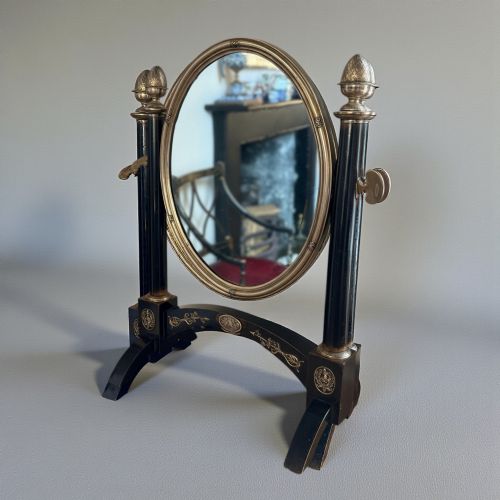
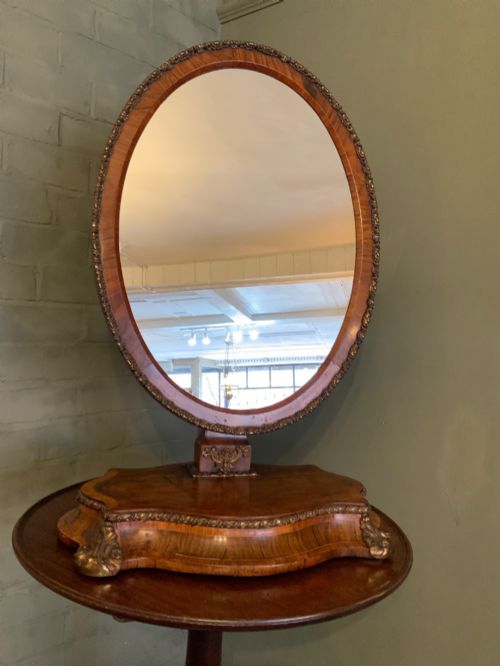
The version most commonly met on this page is constructed from figured mahogany, often accented with bright metallic mounts that catch the light. Alongside full-sized dressing tables, the selection includes adjustable pedestal mirrors and console tables designed to serve matching functions in a bedroom suite.
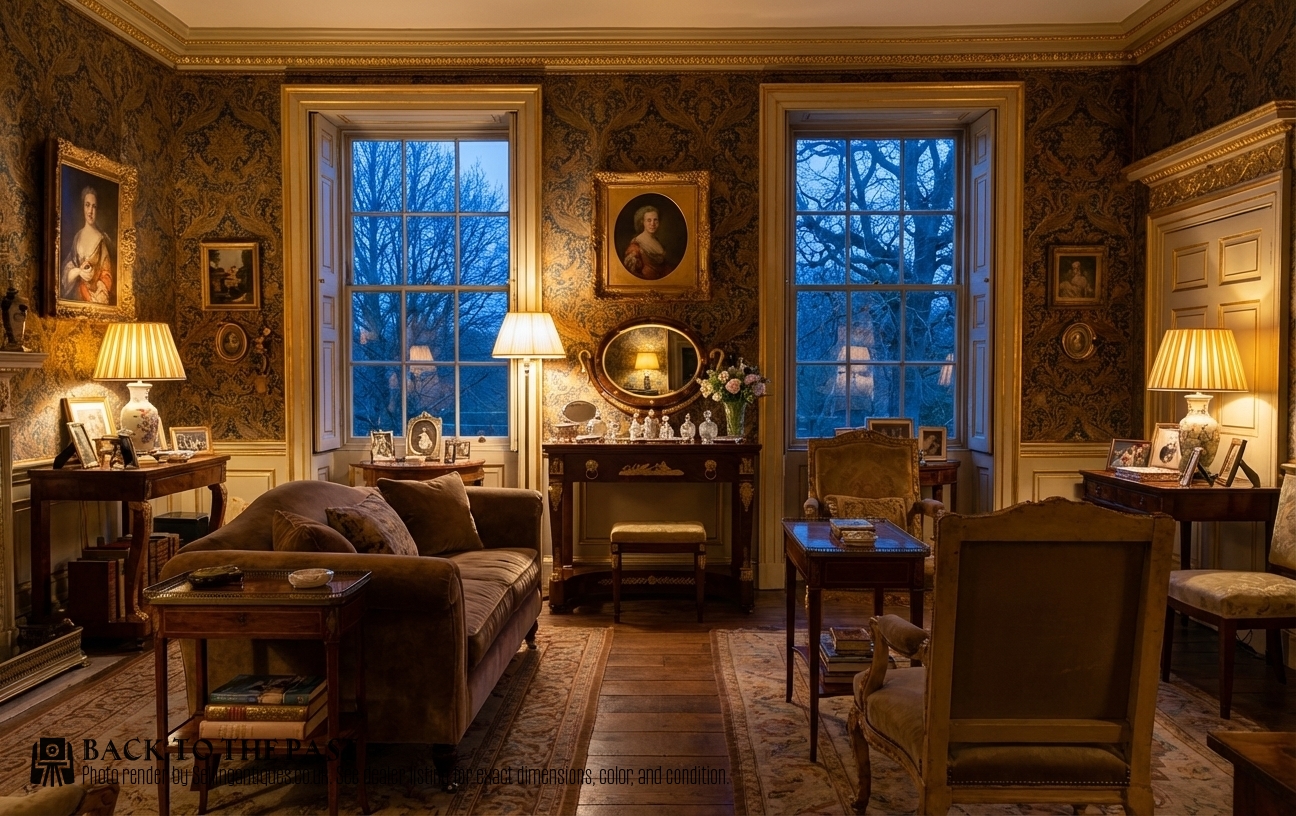
Materials and Construction
Makers relied heavily on dense timbers like mahogany and walnut, frequently selected for striking grain patterns such as flame mahogany. These primary woods provide a dark, warm foundation that grounds the architectural lines of the furniture.
Cast bronze and ormolu mounts punctuate the timber surfaces with classical motifs, secured alongside marble tops and glass mirror plates. Brass and gilt metal further enrich the detailing, reflecting the high standards of nineteenth-century cabinet making.
French Empire Dressing Table Retail Price Guide 2026
Typical asking prices for french empire dressing table among the pieces listed under this phrase on Sellingantiques today, from the lower quarter to the upper quarter. They describe what is for sale here now, not the wider market.
Several pieces include hidden compartments designed for discreet storage of morning powders and personal trinkets.
Evaluating Quality and Detail
The division between standard examples and superior pieces rests on the crispness of the cast metal mounts and the selection of the wood veneer. Finely chased ormolu with sharp definition elevates a piece far above one utilising simple stamped brass.
Proportion and the integrity of the structural carcase dictate long-term desirability. Pieces that retain their original marble tops, mercury mirror glass and balanced architectural presence demonstrate the true skill of the period workshop.
The French Empire Dressing Table Glossary
- Ormolu
- Gilded bronze applied as decorative mounts to furniture. This technique creates sharp, golden highlights against dark mahogany.
- Flame mahogany
- A veneer cut from the fork of a mahogany tree to produce a flickering, flame-like pattern. It is prized for its decorative visual movement.
- Console table
- A wall-mounted or freestanding table with a flat top supported by front legs or brackets. They often match the stylistic vocabulary of larger dressing furniture.
- Toilet mirror
- A smaller tabletop mirror designed for grooming and vanity use. These frequently incorporate small drawers within their wooden stands.
French Empire Dressing Table: Frequently Asked Questions
What is a french empire dressing table?
A french empire dressing table is a nineteenth-century furniture piece defined by classical architectural lines, rich mahogany timbers and cast ormolu mounts. These items reflect the formal aesthetic of the Napoleonic era.
They serve as both functional grooming stations and statement furniture. Many examples include integrated or matching mirrors designed to complement bedroom suites.
How do I date a french empire dressing table?
Dating relies on examining the timber construction, the method of veneer application and the quality of the bronze mounts. Pieces from the early nineteenth century often feature solid flame mahogany and hand-chased ormolu.
Later revival pieces from the late nineteenth century may show differences in timber preparation and assembly techniques. Comparing the hardware to documented period examples helps confirm the decade of manufacture.
Where should I place a dressing table?
These large furniture items require adequate floor space and a considered spot near natural light for practical grooming. Bedrooms and grand dressing rooms provide the traditional setting for such substantial case pieces.
Care should be taken to keep them away from direct heat sources to protect the polished wood and delicate veneers. Positioning them against a sturdy wall ensures stability, especially for pieces paired with heavy mirrors.
How do I care for antique mahogany?
Maintenance involves dusting with a soft, dry cloth and avoiding harsh chemical polishes that can damage the historic finish. Natural wax applied sparingly helps nourish the timber over time.
Protecting the surface from moisture and direct sunlight prevents the mahogany from fading or staining. Marble tops benefit from prompt wiping to prevent acids from etching the stone.