
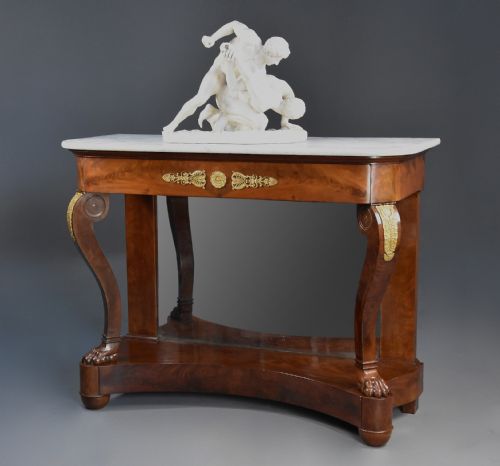
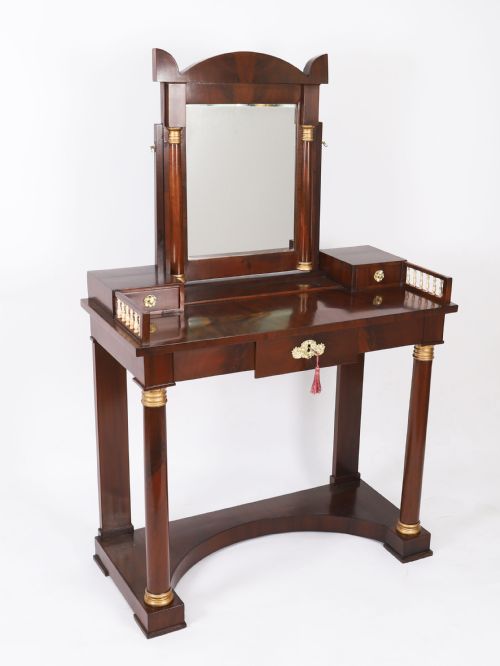
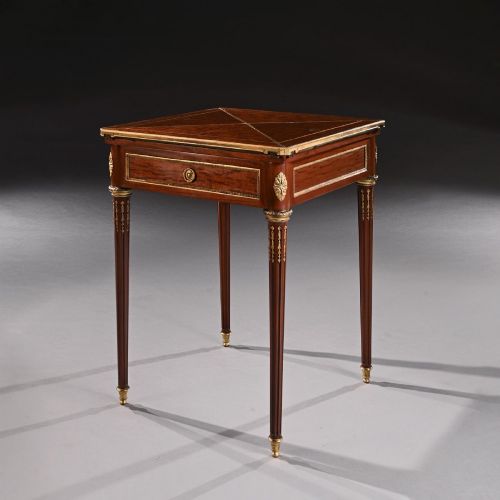
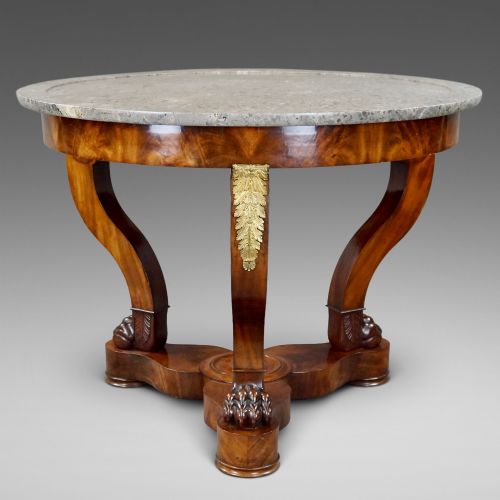
Ormolu Mahogany Table
An ormolu mahogany table combines dark tropical timber with gilt bronze mounts, bringing structural warmth and metallic contrast to period interiors.
Ormolu Mahogany Table
When you search for an ormolu mahogany table, you encounter a selection of nineteenth-century French and English furnishings designed for display, writing, or dining.
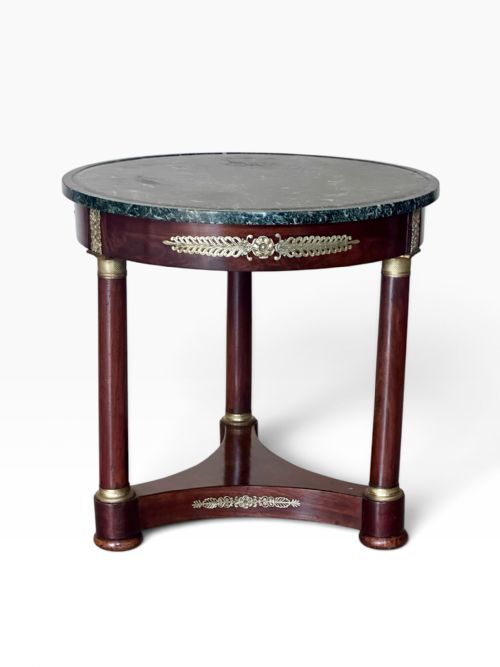
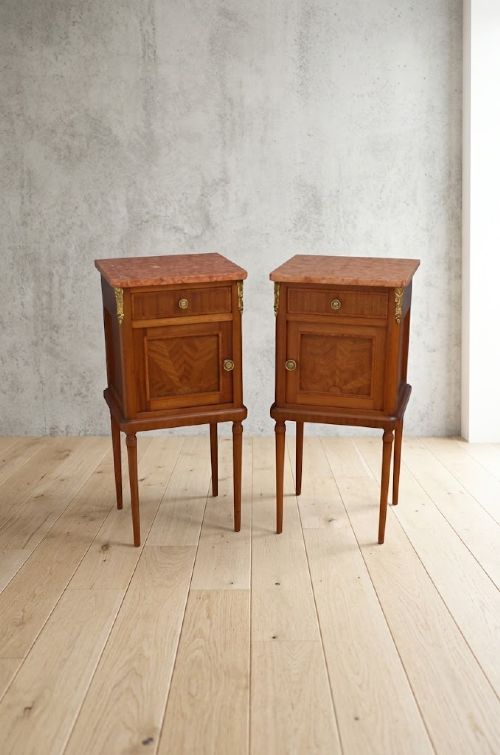
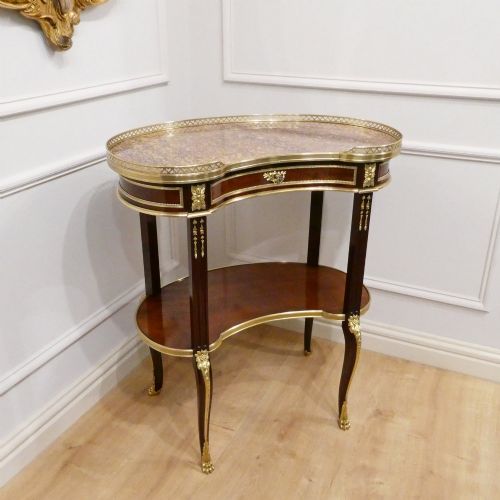
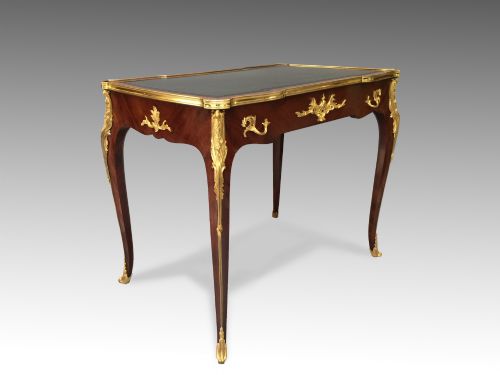
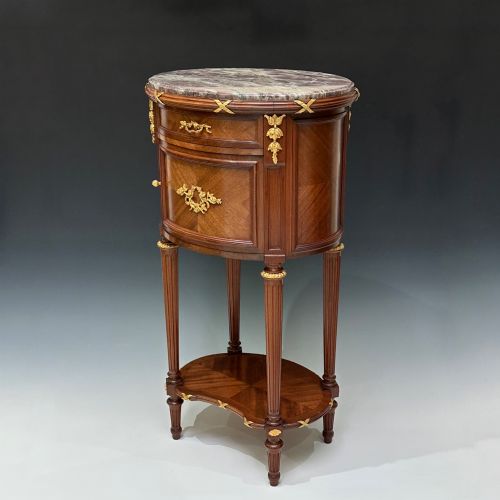
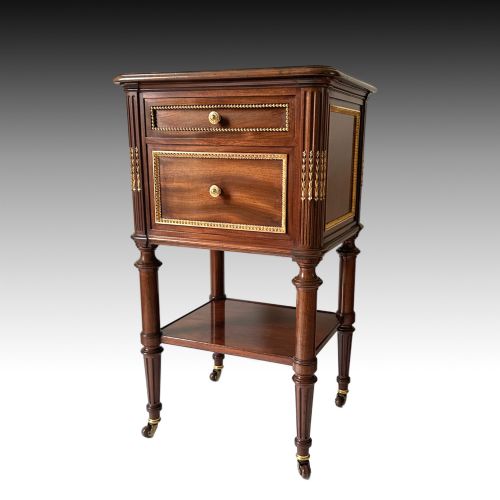
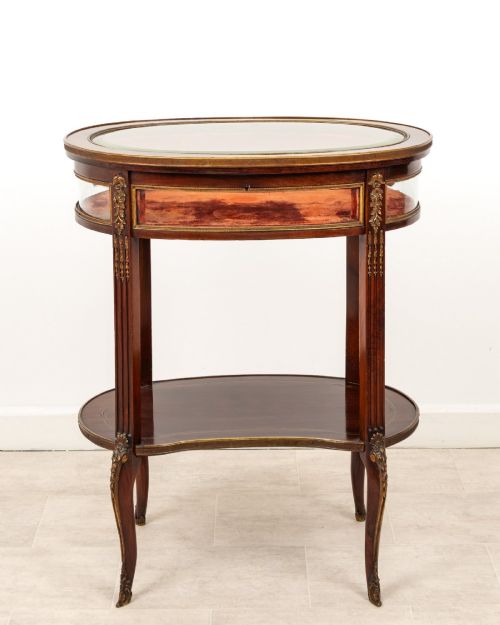
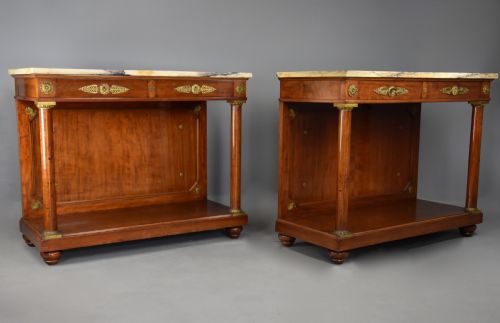
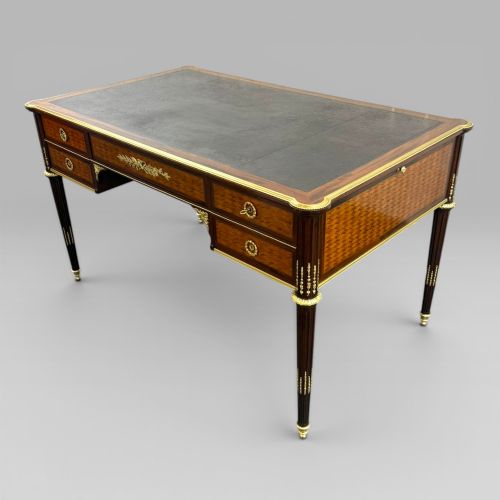
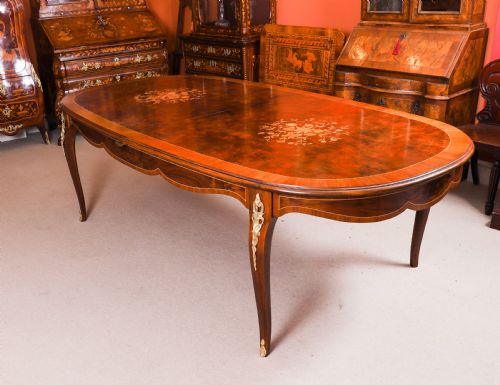
The prevailing forms on this page include centre tables, console tables, writing desks such as the bureau plat, and smaller bedside cabinets.
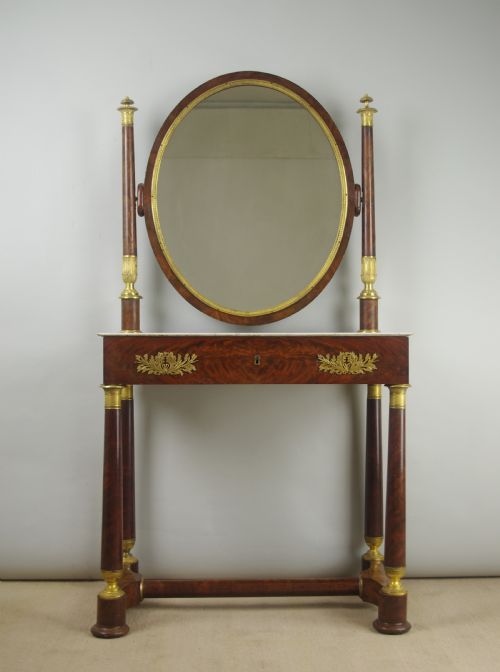
These pieces draw heavily upon French Empire, Louis XVI, and Regency styles, reflecting continental cabinet-making traditions from the eighteen-hundreds onwards.
Materials and Technique
Makers utilised solid and veneered mahogany, frequently selecting flame or plum pudding grain patterns for visual depth on primary surfaces.
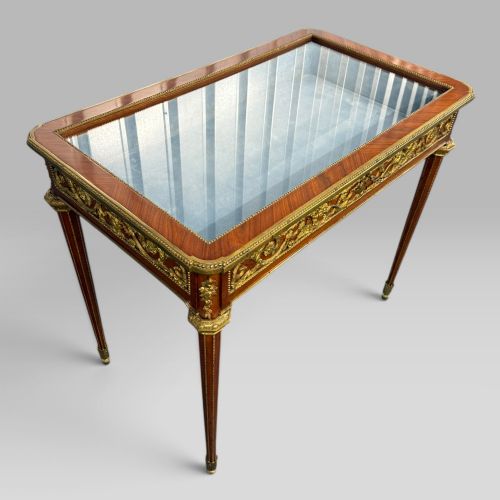
Cast ormolu, or gilt bronze, forms the decorative mounts, capitals, and frieze framing, fixed meticulously to the timber carcases.
Additional elements such as white or rouge marble slabs, inset tooled leather writing surfaces, and subtle parquetry or satinwood stringing complete the construction.
Ormolu Mahogany Table Retail Price Guide 2026
Typical asking prices for ormolu mahogany table among the pieces listed under this phrase on Sellingantiques today, from the lower quarter to the upper quarter. They describe what is for sale here now, not the wider market.
Listings feature numerous nineteenth-century French console tables and bureau plat desks incorporating mahogany, marble, and gilt bronze ormolu mounts.
Evaluating Standards
Quality rests upon the crispness of the bronze chasing and the weight of the ormolu mounts relative to the scale of the timber frame.
Cabinet-making proficiency shows in the precision of the veneer matching, the smooth action of drawer linings, and the structural integrity of marble tops.
Pieces bearing workshop stamps or attributions to prominent makers generally demonstrate superior execution in both the bronze work and the underlying joinery.
François Linke·Edwards & Roberts·Antoine Lampre·Krieger Paris·Alphonse Tahan
The Ormolu Mahogany Table Glossary
- Ormolu
- Gilded bronze used for decorative mounts on furniture and clocks. The technique involves applying a gold amalgam to a cast bronze base before firing.
- Bureau plat
- A freestanding double- or single-sided writing desk fitted with drawers. These tables typically feature leather inserts and elaborate corner mounts.
- Guéridon
- A small round table supported by a central pillar or multiple legs. Originating in the seventeenth century, these tables serve as stands or occasional surfaces.
- Parquetry
- Geometric wood inlay forming patterned surfaces on table tops and drawers. Makers use contrasting timbers like satinwood and kingwood to create optical depth.
- Bijouterie table
- A display table with a glass top and glazed sides designed to exhibit small valuables. Ormolu frames edge the glass panels on finer examples.
Ormolu Mahogany Table: Frequently Asked Questions
How do I clean ormolu mounts?
Dust the gilt bronze gently with a soft, dry brush to prevent accumulation in the crevices. Avoid abrasive metal polishes that strip the original mercury or electroplated gilt surface.
For stubborn grime, apply a damp cloth with mild soap, drying the metal immediately afterwards. Preserving the patinated finish maintains both the historical integrity and visual depth of the bronze.
Can I use a bureau plat as a desk?
These tables function well as writing desks, provided the working height suits your chair. The integration of leather inserts offers a practical surface for daily writing.
Consider the kneehole clearance beneath the frieze drawers before placing the desk into regular service. Many examples include side slides or spacious drawers to accommodate modern writing materials.
How do I identify a French Empire piece?
French Empire furniture relies on dense mahogany surfaces contrasted with heavy, classical ormolu mounts depicting military, floral, or mythological motifs. The structural lines remain monumental and symmetrical.
Look for architectural proportions and saber or column legs characteristic of the early nineteenth century. Ormolu details on these pieces often display exceptional chasing quality.
Are marble tops original?
Many console and centre tables incorporate fitted marble slabs that match the period of the wooden base. Edge profiles and the type of marble provide clues to authenticity.
Examine the underside of the top and the supporting rebates for signs of age and original placement. Replacements occasionally occur due to historical damage, though period-appropriate stone remains common.