


19th Century Uzbek Textile
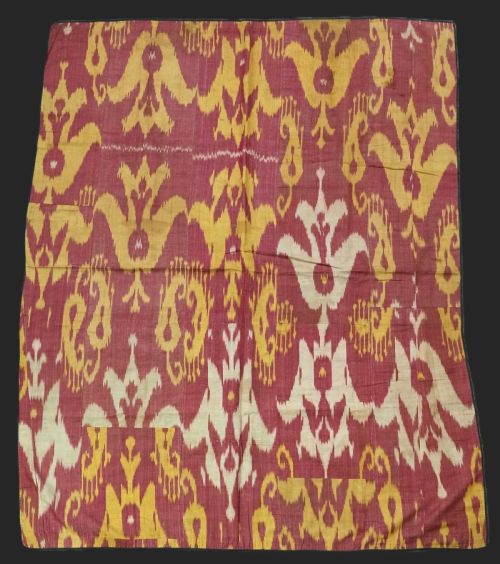
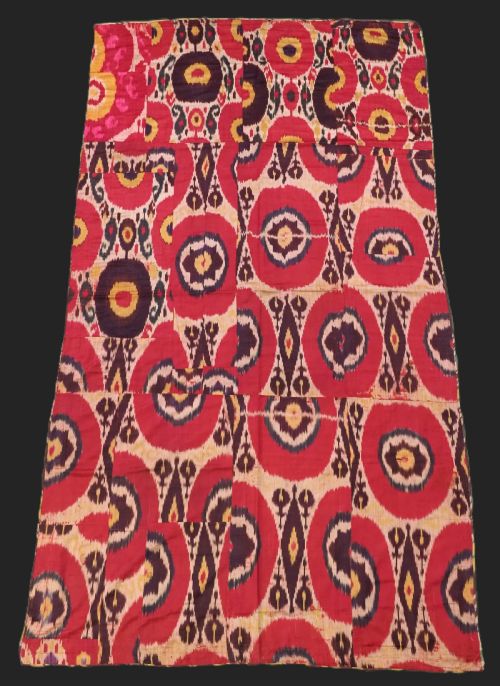
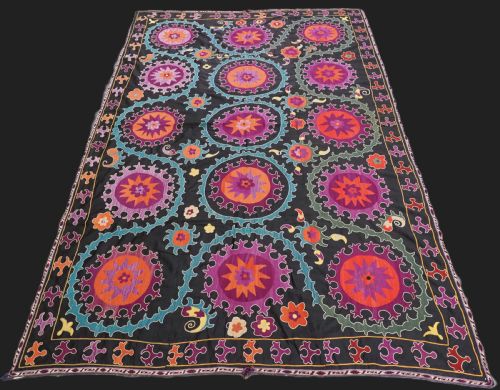
These 19th century uzbek textile works combine rich silk embroidery and ikat weaves to bring vibrant Central Asian history into modern interiors.
19th Century Uzbek Textile
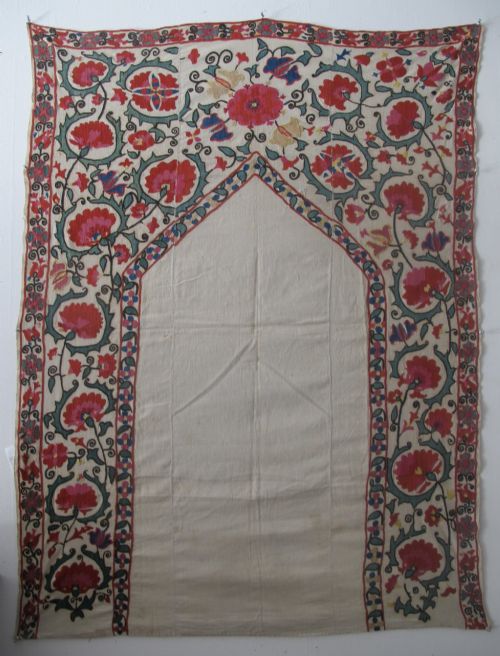
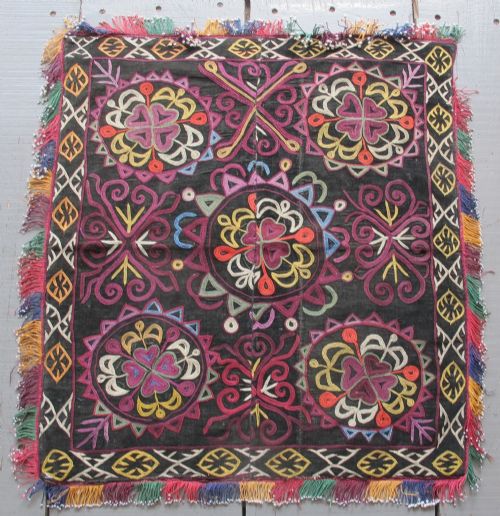
Makers utilised various grounds including cotton, wool, and velvet, decorated with intricate silk thread embroidery or woven ikat patterns. The regional styles range from formal architectural suzanis to expressive folk art and tribal pieces associated with the Lakai and Kungrad groups.
How They Were Made
Artisans constructed these items primarily using silk thread, cotton grounds, and velvet, sometimes incorporating wool, glass beads, and silver metal thread brocade work for added texture. Fabrics underwent complex resist-dyeing processes to create the characteristic blurred edges of ikat panels before tailoring into coats like the chapan and khalat.
Needlework forms such as suzani embroidery relied on hand-stitched silk threads applied to cotton foundations, occasionally utilising black or yellow dyed grounds. Quilting and padding provided structure for winter garments, while kilims were woven in multiple narrow strips.
Listings incorporate silk, cotton, wool, glass beads, and silver thread across pieces dated between 1800 and the late 19th century.
What Varies in Quality
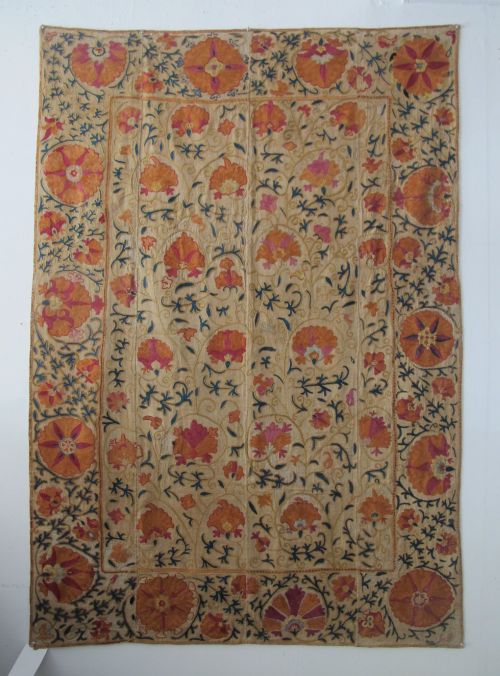
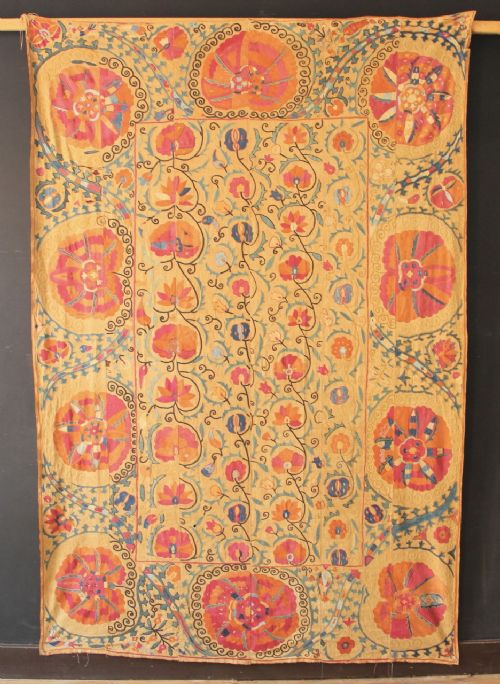
The density and precision of the silk thread embroidery dictate the visual impact of an embroidered suzani panel, distinguishing fully worked palak designs from simpler floral compositions. Execution of the resist-dyeing technique in ikat panels creates cleaner lines or softer blurs that reflect the skill of the weaver.
The choice of ground fabric, ranging from standard cotton to rich red velvet or supplementary silver thread brocade, elevates the status of the garment or hanging. Preservation of original dimensions, vibrant dye colours, and structural integrity across large wall hangings separates standard decorative pieces from finer examples.
The 19th Century Uzbek Textile Glossary
- Suzani
- An embroidered hanging traditionally created by brides in Central Asia as part of their dowry. These large textiles usually feature floral or central medallion motifs worked in silk on a cotton ground.
- Ikat
- A dyeing and weaving technique where threads are resist-dyed before being woven into fabric, producing characteristic feathered pattern edges. Silk ikat panels were frequently tailored into coats or used for decorative furnishings.
- Khalat
- A traditional long, loose-fitting outer robe or gentleman's coat worn across Central Asia. Many surviving examples feature colourful silk ikat patterns.
- Palak
- A large suzani variety characterised by a fully embroidered ground, often featuring a central star surrounded by dense floral motifs. These elaborate pieces originated largely from Tashkent.
- Ilgich
- A small embroidered wall hanging or dowry piece produced by tribal groups such as the Lakai. They served decorative and domestic functions within traditional nomadic and settled households.
19th Century Uzbek Textile: Frequently Asked Questions
How were suzanis used in traditional Uzbek homes?
Families utilised suzanis primarily as wall hangings to decorate interior living spaces, drape over furniture, or wrap ceremonial items. They also formed a central part of a bride's dowry.
Over time, these textiles gained appreciation for their artistic needlework, transitioning from functional domestic objects into prominent decorative display pieces within modern rooms.
What is the difference between a suzani and an ikat panel?
A suzani is a textile decorated with hand-stitched needle embroidery, usually worked in silk thread onto a woven cotton or linen foundation. Artisans apply these decorative motifs after the base fabric is complete.
An ikat panel relies on a dyeing method where the threads receive dye resistance patterns before weaving begins. This creates the distinct blurred colour transitions seen in ikat fabrics.
How do I care for a vintage silk embroidery?
Protect antique textiles from direct sunlight to prevent the natural silk threads and dyed grounds from fading over time. Gentle vacuuming through a mesh screen can remove surface dust safely.
Avoid folding fragile embroidered panels for long periods to prevent stress on the antique foundation fabric. Professional textile conservators should handle any necessary cleaning or mounting.
How can I identify regional styles in Uzbek textiles?
Regional attribution relies on observing specific design layouts, colour palettes, and embroidery techniques typical of production centres like Bokhara, Samarkand, Tashkent, or Ura Tube. Architectural motifs often point towards specific urban workshops.
Tribal pieces associated with groups like the Lakai display distinct geometric forms, compact formats, and varied materials including glass beads that separate them from mainstream town suzanis.