
Silk Embroidery Hanging
When you search for a silk embroidery hanging, you find historic textiles that bring rich global traditions and tactile depth directly to your interior walls.
Silk Embroidery Hanging
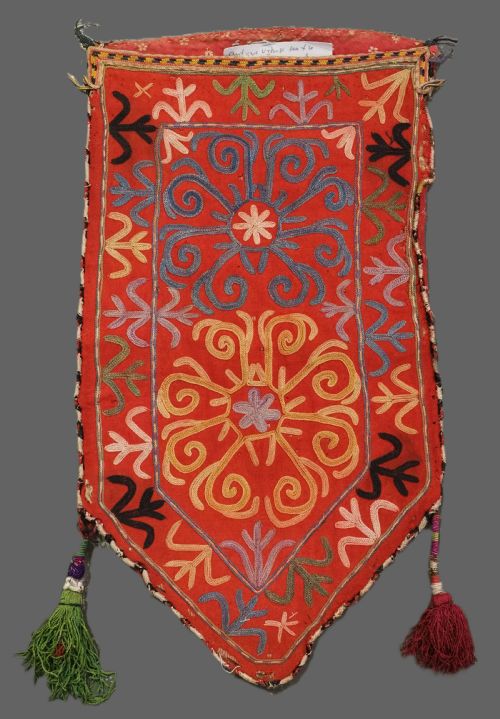
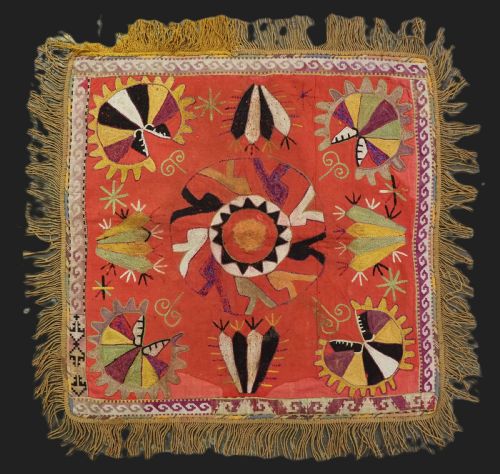
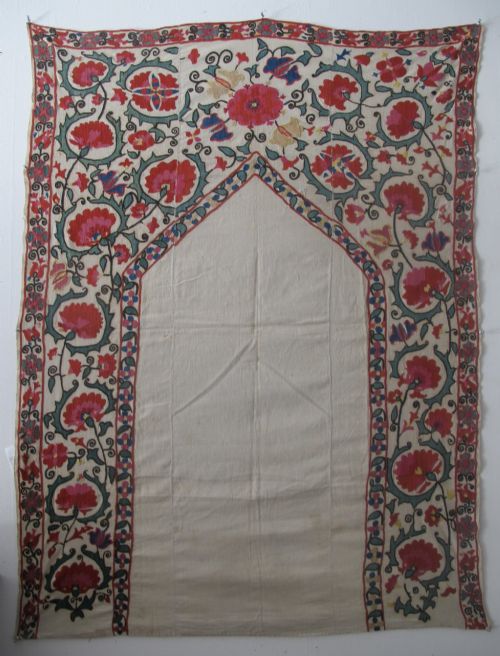
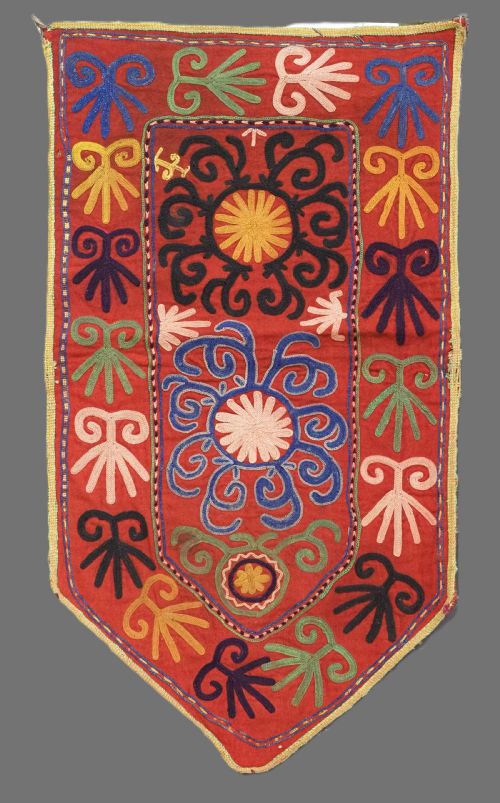
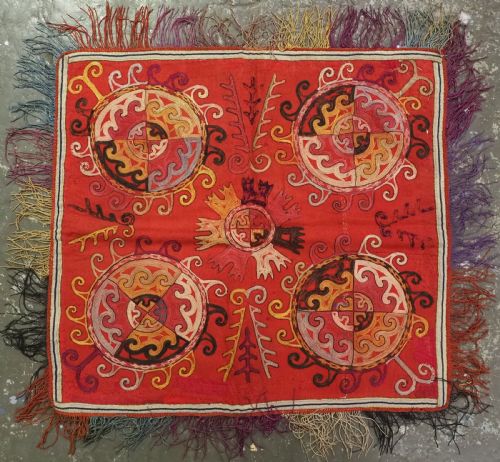
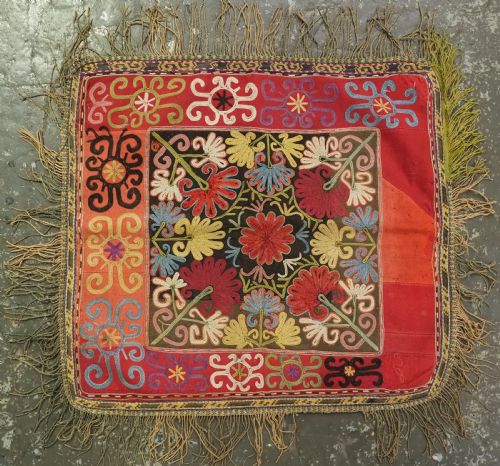
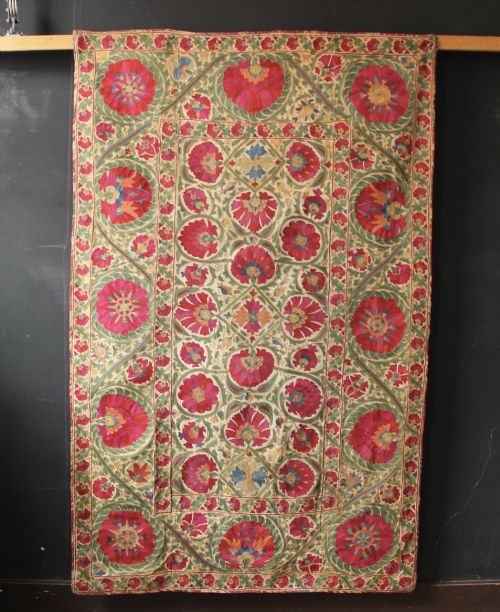
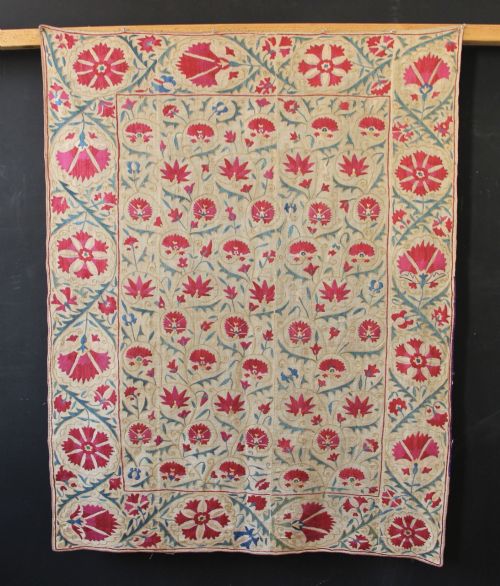
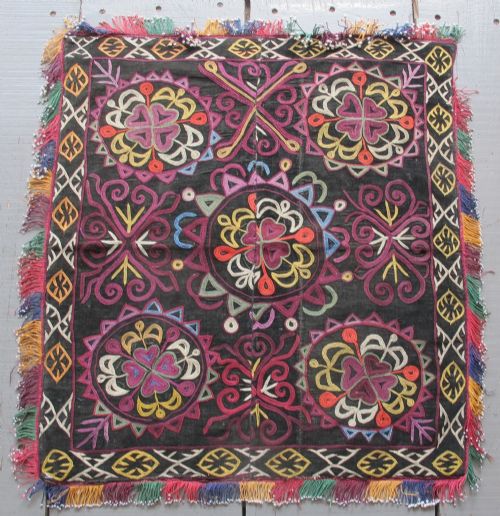
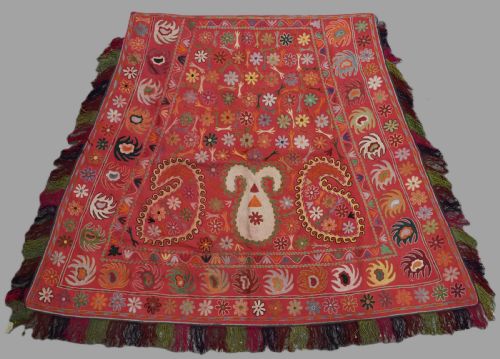
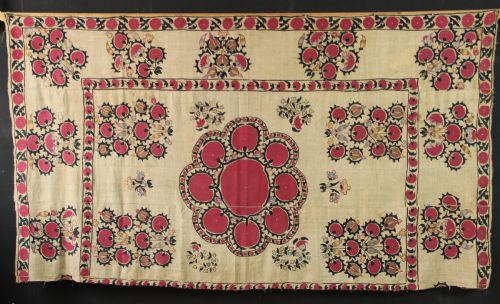
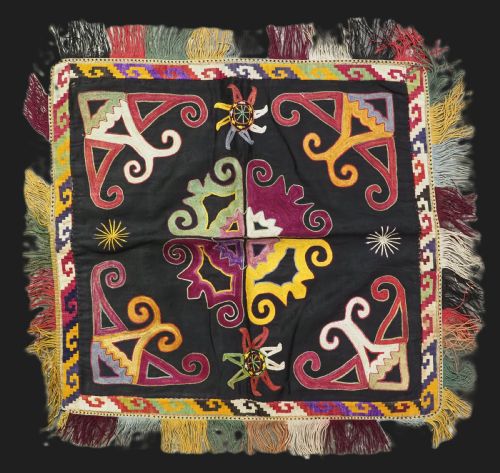
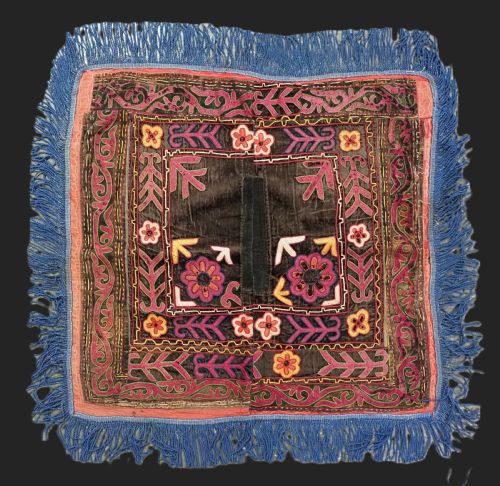
These works often originate from specific regional cultures such as the Uzbek Lakai tribe, Bukhara, or Rasht in Persia. Pieces range from small mirror covers and saddle rugs to large architectural bed covers repurposed for display.
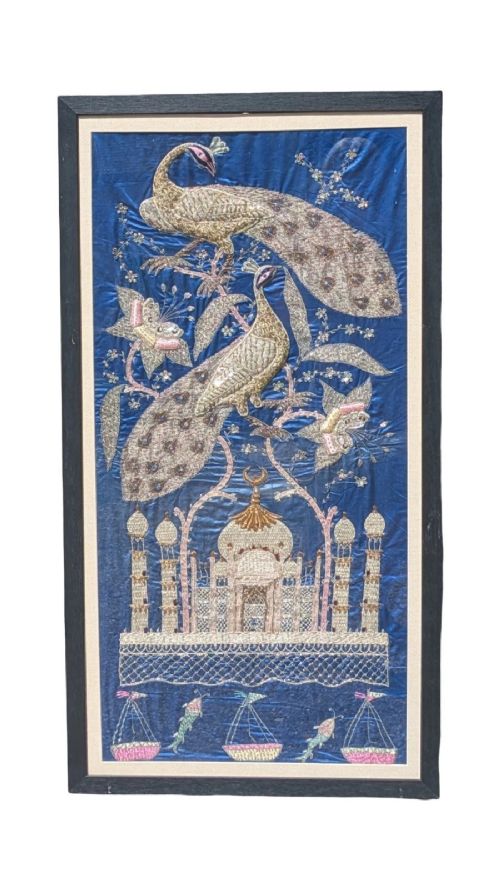
Regional variations introduce distinct visual elements, including floral medallions, architectural motifs, and figurative storytelling. Every panel reflects the domestic and ceremonial heritage of its maker, designed originally to mark significant life milestones.
How They Were Made
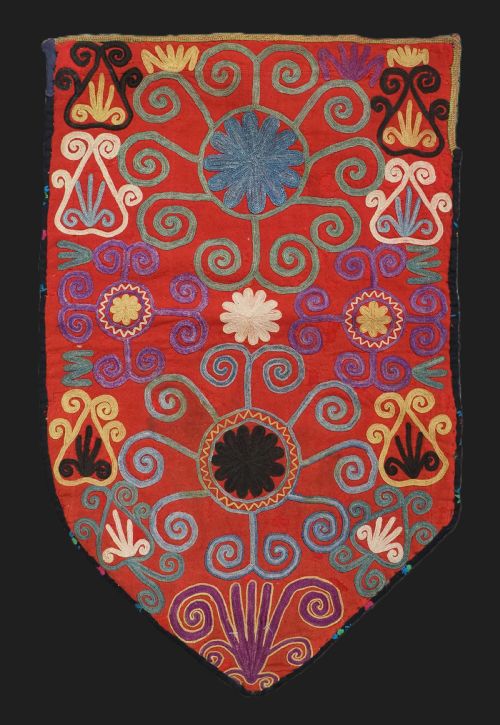
Makers grounded their compositions on textiles like woven cotton, linen, wool, or felt, often utilising vibrant red or green grounds. Artisans then stitched intricate designs across the surface using fine silk threads and occasional metallic highlights.
Applique work frequently appears alongside dense needlework, creating raised textures and contrasting colour fields. Many examples incorporate hand-sewn elements that demonstrate advanced regional needlecraft traditions.
Current listings demonstrate periods spanning from the eighteenth century through the early twentieth century, incorporating silk, wool, velvet, and metallic thread.
What Varies in Quality
Quality rests in the precision of the needlework and the complexity of the regional design layout. Finer panels display tight, uniform stitching and harmonious colour combinations that hold the viewer's eye across the entire expanse.
The choice of ground material and the intricacy of the secondary motifs, such as borders and medallions, also distinguish standard utility pieces from masterworks. Superior examples maintain structural integrity in the base fabric while showcasing exceptional artistic expression.
The Silk Embroidery Hanging Glossary
- Suzani
- A traditional embroidered tribal textile from Central Asia, usually worked in silk on a cotton or linen ground. These large decorative panels often display bold floral and medallion patterns.
- Igat
- A dyeing technique where warp or weft threads are tie-dyed before weaving to create distinctive hazy pattern edges. This method frequently underpins the fabrics associated with Central Asian textile arts.
- Torba
- A small utilitarian bag or trapping produced by Turkmen and related tribal groups. They often feature elaborate embroidery and silk highlights.
- Applique
- A sewing technique where pieces of fabric are layered and stitched onto a larger ground material. Persian Rasht embroideries make extensive use of this method to build complex pictorial motifs.
- Medallion
- A central focal ornament or motif set within the main field of a textile. These geometric or floral shapes anchor the overall composition of the hanging.
Silk Embroidery Hanging: Frequently Asked Questions
How were silk embroidery hangings used originally?
Many of these textiles began as dowry items, bed covers, or ceremonial furnishings created for domestic life in Central Asia, Persia, and India. Families produced them to mark weddings and other important household transitions.
Over time, collectors and interior designers adapted these functional textiles into wall hangings to preserve their artistry and display them safely.
How do I hang a fragile antique textile?
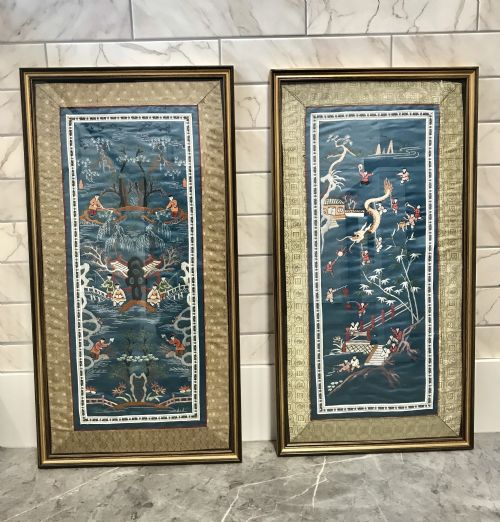
Mounting a historic textile requires distributing the weight evenly across the entire piece rather than suspending it from a single point. Professional framers often use conservation-grade stitching to attach the fabric to a padded, fabric-covered backing board.
Keeping the textile behind glass protects the delicate silk threads and natural fibres from dust, handling, and environmental degradation.
How can I tell regional styles apart?
Regional styles depend heavily on distinct colour palettes, ground materials, and stitch techniques associated with specific workshops or tribes. For instance, Persian Rasht pieces frequently use felt grounds with detailed applique, while Uzbek Suzanis rely on silk embroidery over cotton or linen.
Studying the primary motifs, such as star medallions versus floral sprays, helps identify the geographic origin of a given panel.
Are these textiles made from natural materials?
Historic wall hangings rely almost exclusively on natural fibres including silk, cotton, wool, linen, and felt grounds. Artisans utilised natural dye sources to achieve the deep reds, greens, and secondary tones seen across nineteenth-century examples.
Metallic threads and glass components occasionally appear as supplementary highlights within specific tribal and regional traditions.