


19th Century Tobacco Box
These 19th century tobacco box examples are tactile pocket and table vessels that collectors prize for their intricate carving and metalwork.
19th Century Tobacco Box
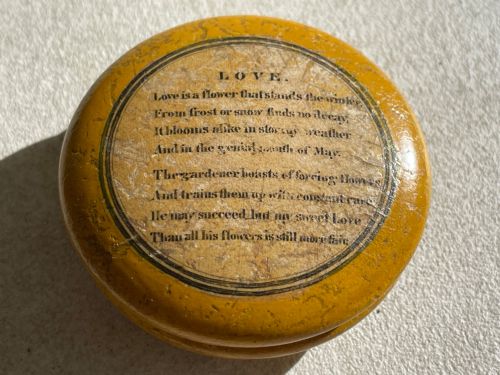
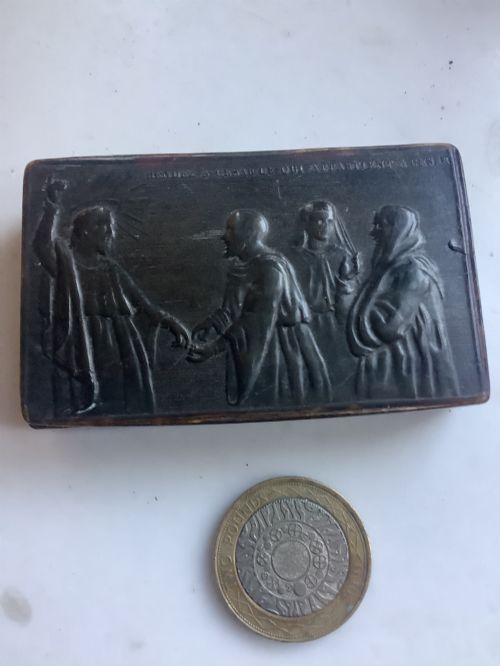
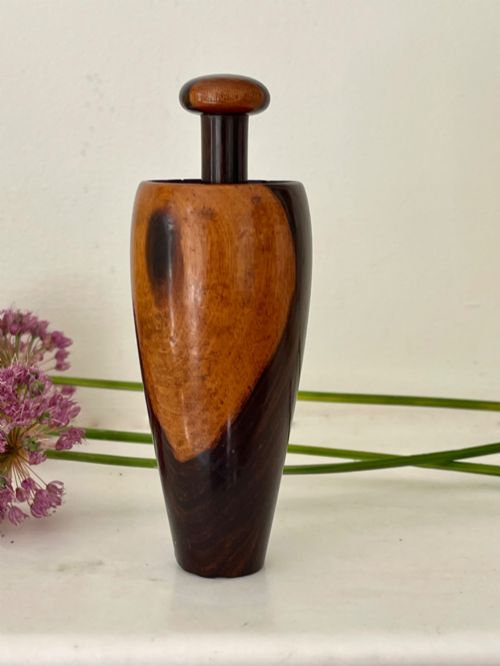
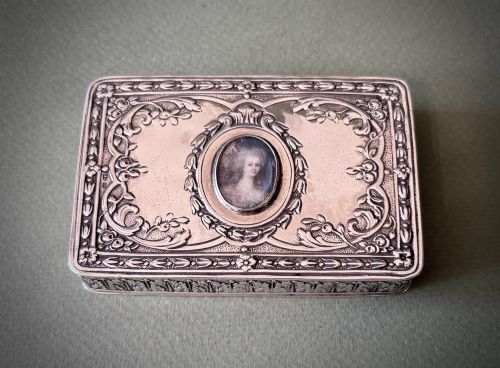
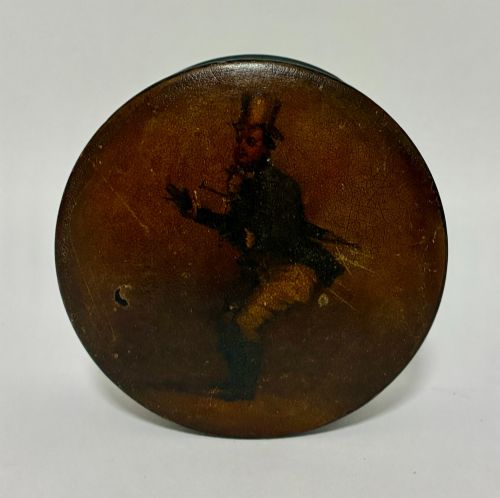
A 19th century tobacco box encompasses diverse forms such as carved wood humidors, papier-mâché snuff boxes, and brass caddies intended for personal use. Buyers frequently encounter smaller pocket items alongside larger table-standing containers designed for communal smoking rooms.
The objects span Georgian, Victorian, and Edwardian periods, reflecting changing social habits around smoking and tobacco consumption. English, French, and Swiss origins appear regularly in the selection.
Folk art and Black Forest styles sit alongside precise metalwork, demonstrating how makers adapted utilitarian objects into decorative art.
Materials and construction methods
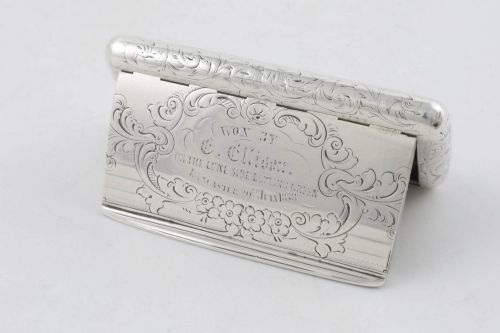
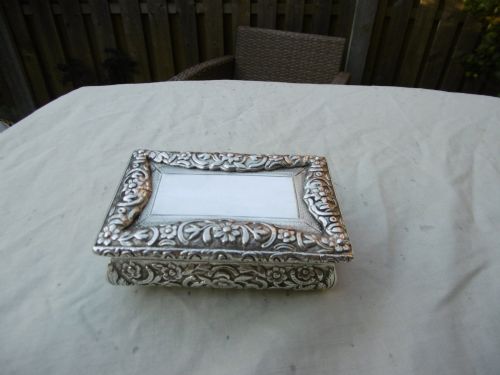
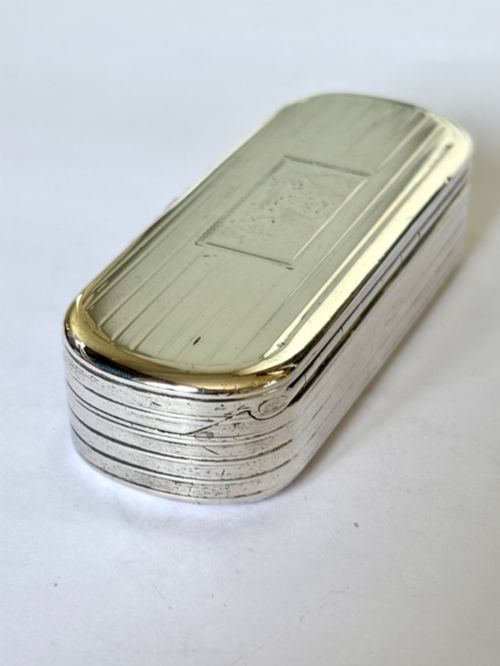
Metals such as sterling silver, brass, and silver gilt undergo casting, reeding, and niello work to create durable containers with secure lids. Goldsmiths and silversmiths utilised hallmarks to record the origin and maker of precious metal pieces.
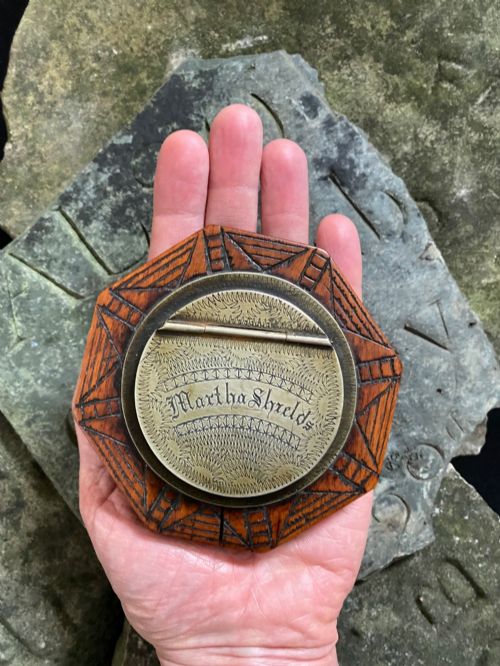
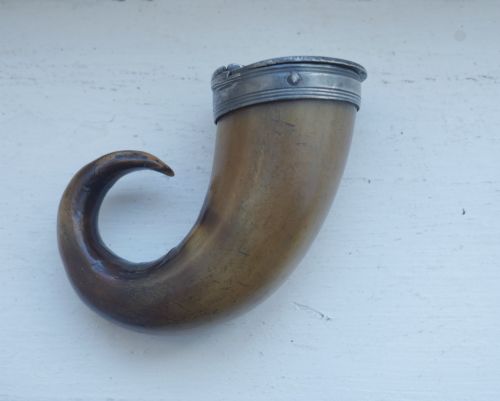
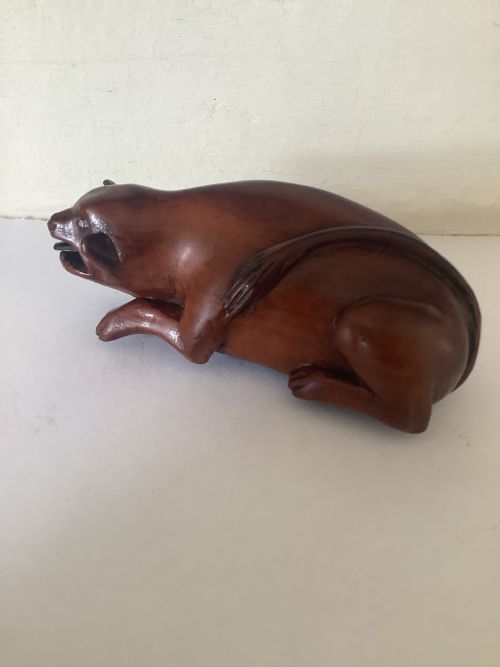
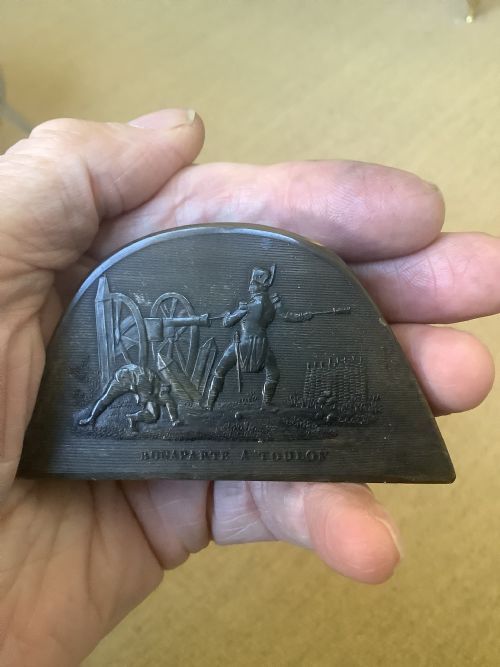
Organic materials including horn, tortoiseshell, and various woods are turned, pressed, or carved with high precision. Treen items showcase fruitwood, ebony, and satinwood shaped into boots, barrels, or animals.
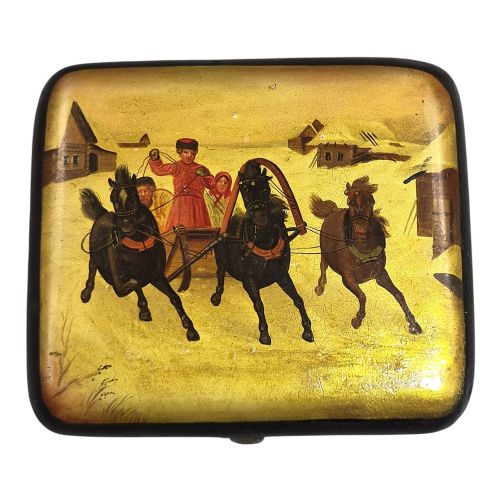
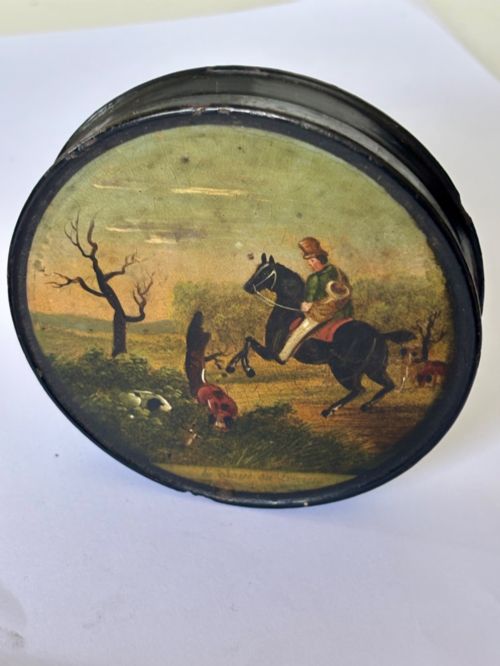
Papier-mâché and lacquer demand layered construction finished with hand-painted scenes or inlaid bone and mother-of-pearl.
19th Century Tobacco Box Retail Price Guide 2026
Typical asking prices for 19th century tobacco box among the pieces listed under this phrase on Sellingantiques today, from the lower quarter to the upper quarter. They describe what is for sale here now, not the wider market.
Materials across these listings span sterling silver, brass, horn, tortoiseshell, and various woods including satinwood and ebony.
Distinctions in craftsmanship and preservation
The standard of execution separates workshop productions from mass output, visible in the sharpness of carved fur on Black Forest bears or the crispness of engine-turned patterns on silver. Higher quality pieces retain crisp detailing on hinges and locking mechanisms.
Surface preservation dictates desirability, with original painted scenes, clear hallmarks, and intact tortoiseshell outweighing worn or heavily restored examples. The integrity of internal linings and fitted compartments remains a key consideration for collectors.
ROBERT THORNTON·Vishnyakov Workshop·SAMPSON MORDAN·William Eaton·WILLIAM GERMAN·Charley Jones
The 19th Century Tobacco Box Glossary
- Treen
- Small handmade wooden objects produced from the 16th century onwards. These items range from domestic treen vessels to intricately carved snuff boxes.
- Snuff Mull
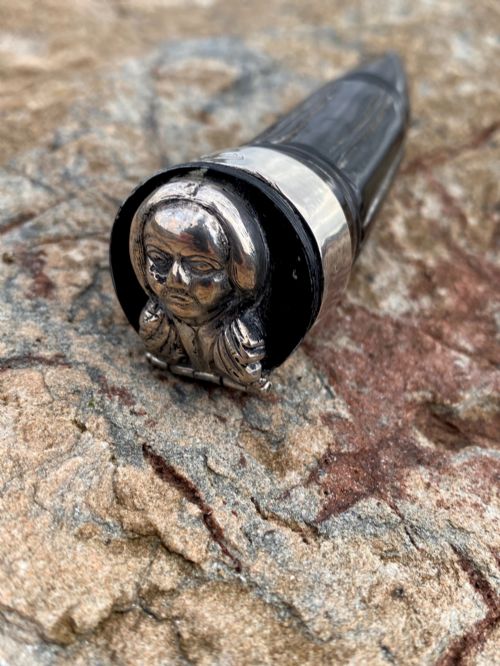
- A Scottish receptacle used for holding powdered tobacco, typically fashioned from ram's horn and mounted in silver.
- Papier-mâché
- A composite material made of paper pulp or paper sheets mixed with glue, moulded and dried for lacquering and painting.
- Niello
- A black metallic alloy used as an inlay on engraved metal surfaces, producing contrasting dark designs against silver.
- Humidor
- A moisture-controlled box designed to keep cigars and tobacco fresh, often lined with specialised woods.
19th Century Tobacco Box: Frequently Asked Questions
How do I use a 19th century tobacco box today?
These boxes function well as desktop catch-alls for small items or as display pieces on a bookshelf or coffee table.
Ensure delicate materials like tortoiseshell or painted papier-mâché are kept away from direct sunlight and extreme humidity.
Were these boxes only used for tobacco?
While originally made for loose leaf, snuff, or cigars, many containers served multiple social functions.
Smaller pocket versions frequently held snuff, while larger caddies stored smoking paraphernalia.
How can I tell a Georgian box from a Victorian one?
Georgian examples often feature restrained neoclassical motifs or simpler brass construction, reflecting early 19th-century taste.
Victorian and later pieces introduce heavier ornamentation, varied folk art styles, and distinct hallmarks.
What maintenance do antique wooden boxes need?
Wooden and treen surfaces benefit from occasional application of suitable wax to prevent the grain from drying out.
Avoid liquid cleaners and excessive moisture, particularly on items with inlaid bone or delicate hinges.