


Georgian Brass Trinket Box
A georgian brass trinket box offers a glimpse into small-scale period craftsmanship, combining metalwork and fine timber for portable storage.
Georgian Brass Trinket Box
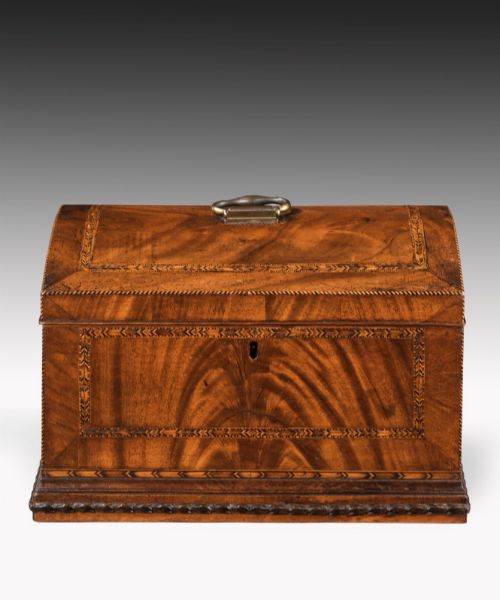
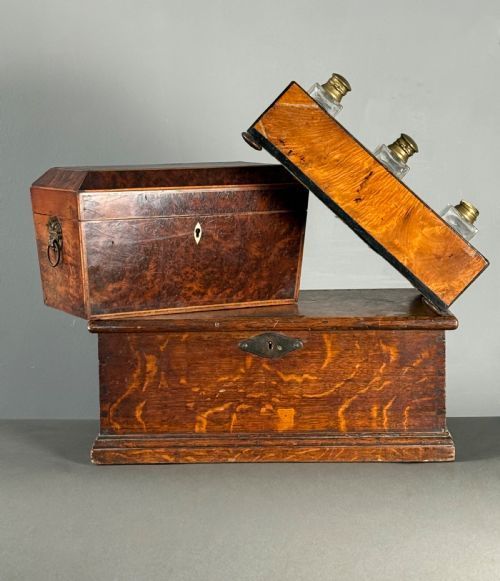
When searching for a georgian brass trinket box, buyers encounter small desktop and pocket containers originating primarily from the Georgian, Regency, and 18th century periods. These items encompass table snuff boxes, tea caddies, needlework boxes, and small caskets constructed from various woods and metals. The selection spans utilitarian containers and decorative pieces featuring brass fittings, inlays, or mounts.
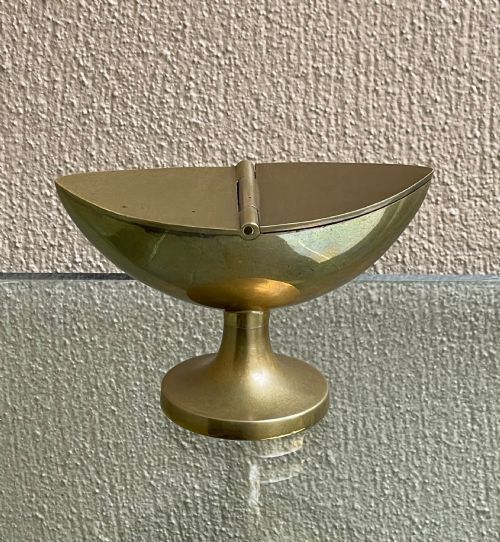
The version most commonly met on this page combines a wooden body - such as mahogany, rosewood, walnut, or oak - with brass hinges, escutcheons, or inlaid wirework. Pieces range from simple navette-shaped pocket snuff boxes to larger document and jewellery boxes resting on claw and ball feet. While some items strictly date to the Georgian era, others extend into the Regency and Victorian periods.
Materials and construction
Maker workshops utilised dense timbers including mahogany, rosewood, satinwood, and walnut as the primary structural bodies for these boxes. Wood surfaces were often polished, painted with penwork, or inlaid with contrasting woods, mother of pearl, and bone details.
Metal components relied heavily on brass for hinges, shaped mounts, navette frames, and delicate stringing. Enamel plaques, copper, and leather bindings also appear, particularly on specialised snuff boxes, patch boxes, and jewellery caskets.
Listings feature items spanning the Georgian, Regency, and Victorian periods, utilising rosewood, mahogany, oak, walnut, enamel, copper, and brass.
Distinctions in quality
The caliber of a piece depends largely on the precision of the brass inlay, the crispness of engraved surface details, and the integrity of the timber selection. Finer examples display meticulous joinery, well-fitted lids, and harmonious proportions between the metal mounts and the wooden carcase.
Lesser items may exhibit crude metal fittings, replacement hardware, or heavy surface wear that obscures the original decorative scheme. The presence of specialised techniques, such as detailed penwork or integrated compartmentalized interiors, elevates the standing of an individual box within its period.
The Georgian Brass Trinket Box Glossary
- Navette
- A boat-shaped decorative form with pointed ends, frequently seen on Georgian table snuff boxes and mounts. This outline is characteristic of late 18th-century small decorative metalware.
- Penwork
- A surface decoration technique utilising ink drawings applied directly to a prepared wood ground, often finished with a clear protective varnish. Regency games boxes and jewellery boxes frequently exhibit this detailed illustrative method.
- Escutcheon
- A protective metal plate surrounding a keyhole, usually fashioned from brass on period boxes. It serves both a functional purpose and a decorative role on the front elevation.
- Bonbonniere
- A small ornamental box intended to hold sweets or patches, commonly produced in enamel during the 18th century. Bilston and South Staffordshire workshops specialised in these enamelled containers.
Georgian Brass Trinket Box: Frequently Asked Questions
What were these boxes used for?
These small containers served various personal storage functions, from holding dry goods like tea and snuff to organising sewing implements, letters, and jewellery.
Desktop versions kept private items secure in study rooms and parlours, while pocket-sized snuff boxes travelled with the owner during daily outings.
How do I date a brass-inlaid box?
Dating relies on observing the combination of timber, construction methods, and the style of the brass mounts. Regency pieces often incorporate rosewood with fine brass stringing, whereas 18th-century examples tend to feature solid mahogany or walnut with simpler, heavier brass hinges.
Secondary woods inside the box and the style of the keyhole escutcheon also provide reliable clues for establishing the period.
Are these boxes suitable for daily use?
Many period boxes remain structurally sound enough to hold modern trinkets, small keepsakes, or desk accessories on a daily basis. Their historic hinges and wood panels require gentle handling to preserve the original finish and alignment.
Placing them away from direct sunlight and extreme humidity helps protect delicate veneers and enamel work from splitting or fading over time.
What is the difference between a snuff box and a caddy?
A snuff box is a miniature container designed to hold ground tobacco, small enough to fit in a pocket or rest on a tabletop. Materials often include brass, enamel, and carved wood.
A tea caddy is a substantially larger box built to store tea leaves, typically featuring internal compartments, lids, and a lockable fastening system for valuable provisions.