
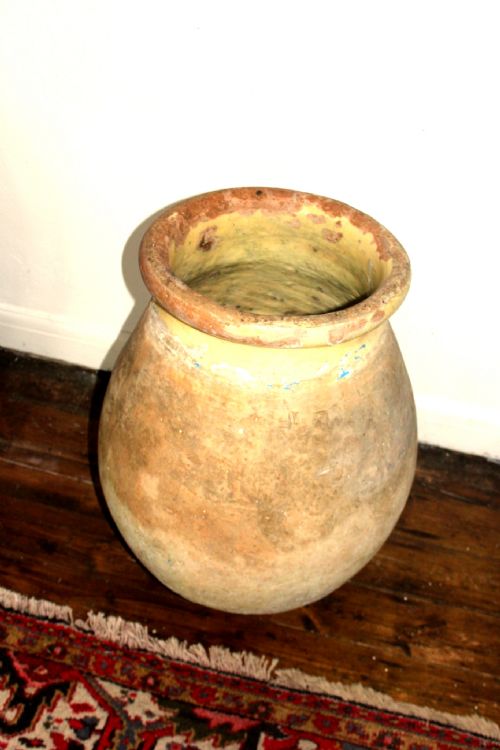


19th Century Terracotta Urn
A 19th century terracotta urn brings classical form and enduring garden presence to any setting.
19th Century Terracotta Urn
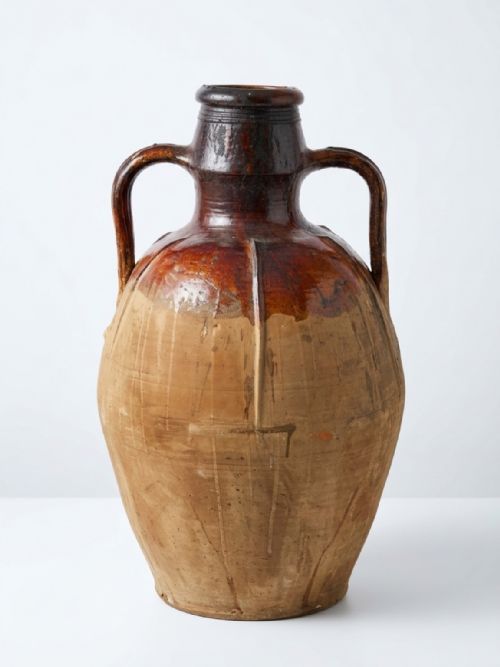
A 19th century terracotta urn embodies the classical and garden traditions of the Victorian era, spanning forms from grand garden planters to detailed interior vessels. These pieces range from substantial Italian wine jars and French Biot pots to British garden urns set upon plinths, reflecting the diverse manufacturing centres of the period. Buyers most frequently encounter weathered garden planters, olive oil jars, and classical campana shapes displaying decades of natural ageing.
The selection encompasses both utilitarian storage vessels transformed into decorative objects and purpose-built ornamental pieces designed for estates and formal gardens. Scottish and English workshops produced robust garden urns, while continental makers supplied glazed confit pots and architectural jars. This variety allows collectors to choose between rustic weathered earthenware and formally carved classical revival designs.
How they were made
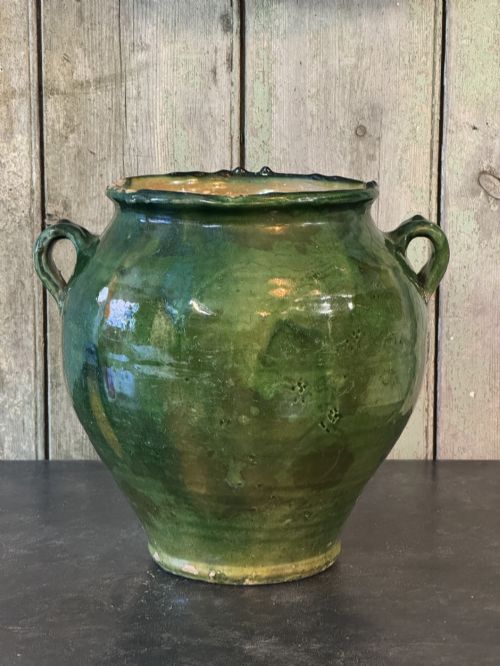
Potters shaped these vessels primarily from local clay and terracotta, often throwing them on large wheels or utilising moulds for symmetrical garden urns and pedestals. Many pieces received partial or full glazes, such as green lead glazes on French confit pots or salt glazes on faux bois planters, providing both surface protection and distinct colouration. Firing took place in traditional kilns, resulting in porous earthenware bodies that subsequently absorbed minerals from soil and moisture over generations.
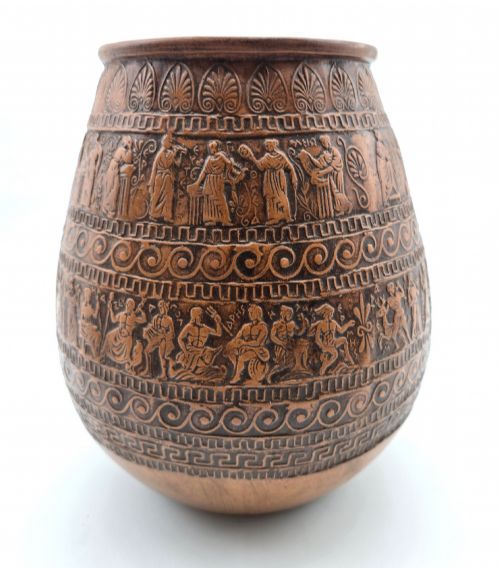
Surface ornamentation involved hand-carved details, applied moulded motifs like rams' heads, or stamped maker marks pressed into wet clay before firing. Stoneware and terracotta bodies were chosen for their durability outdoors, while finer decorative vessels incorporated enamel, porcelain, or gold leaf finishes. The interaction between the porous clay and external elements generated the characteristic patinas seen on surviving examples today.
Several garden urns preserve the quiet dignity of carved rams' heads looking out across the lawn.
What varies in quality
Quality in a 19th century terracotta urn rests in the crispness of modelled or carved details, such as handles adorned with carved heads or deeply embossed architectural motifs. The integrity of the original clay body and the depth of the resulting patination also distinguish superior examples from standard utilitarian wares. Fully stamped pieces bearing recognisable workshop or maker marks command particular interest from collectors seeking documented provenance.
The balance of proportions between the bowl, stem, and base dictates the visual success of campana and pedestal forms. Superior specimens display harmonious symmetry and robust walls that have weathered structural pressures without losing their foundational geometry. Conversely, utilitarian storage jars rely on the honesty of their historic repairs and the richness of their surface weathering to establish their character.
P. Ipsens Enke·Doulton of Lambeth
The 19th Century Terracotta Urn Glossary
- Terracotta
- A fired unglazed or glazed clay of a brownish-red colour. This material forms the primary body for most garden urns and storage vessels of the period.
- Campana Urn
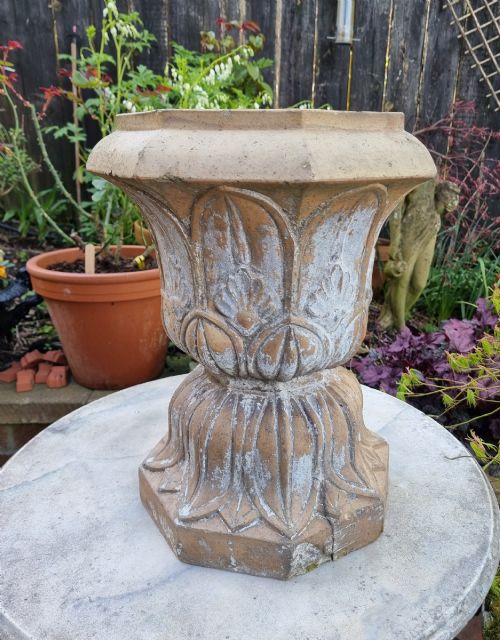
- A bell-shaped vessel with a flared rim and a footed base, heavily favoured during the classical revival. This form derives from ancient Roman models often associated with garden decoration.
- Confit Pot
- A French earthenware pot featuring a glazed upper section and an unglazed lower body. Traditionally utilised for food preservation, these pots now serve decorative interior roles.
- Faux Bois
- An artistic imitation of wood created in stone, cement, or ceramic materials. This technique appeared on nineteenth-century planters designed to mimic natural branches and logs.
- Patina
- The surface appearance altered by age, weathering, use, and mineral deposits. A desirable patinated surface reflects long exposure to garden environments.
- Plinth
- A heavy base or pedestal supporting an urn or statue. These architectural supports elevate garden vessels to create focal points in landscape design.
19th Century Terracotta Urn: Frequently Asked Questions
Can nineteenth century terracotta urns stay outside all winter?
Most nineteenth century terracotta urns withstand outdoor conditions due to their dense, high-fired clay bodies. However, severe frost can affect porous earthenware if trapped moisture expands within the ceramic structure.
Collectors often elevate garden urns on feet or plinths during winter months to prevent direct contact with freezing ground and reduce moisture absorption.
How do I clean a weathered terracotta garden urn?
Cleaning should remain minimal to preserve the historic patina and mineral encrustations that accumulate over decades. Gentle brushing with water and a soft bristle brush removes loose dirt without stripping the aged surface.
Avoid harsh chemical detergents or high-pressure washing, as these methods damage the fragile outer skin of the antique terracotta and erase subtle surface details.
How can I tell if a terracotta urn is genuine?
Genuine nineteenth-century pieces display consistent weight, hand-finished tool marks on the interior, and mineral deposits embedded within the porous clay body. Stamped maker marks or registration numbers frequently appear near the base or rim of higher-quality examples.
Examining the uniformity of the clay and the natural integration of surface weathering helps distinguish authentic period pieces from modern reproductions.